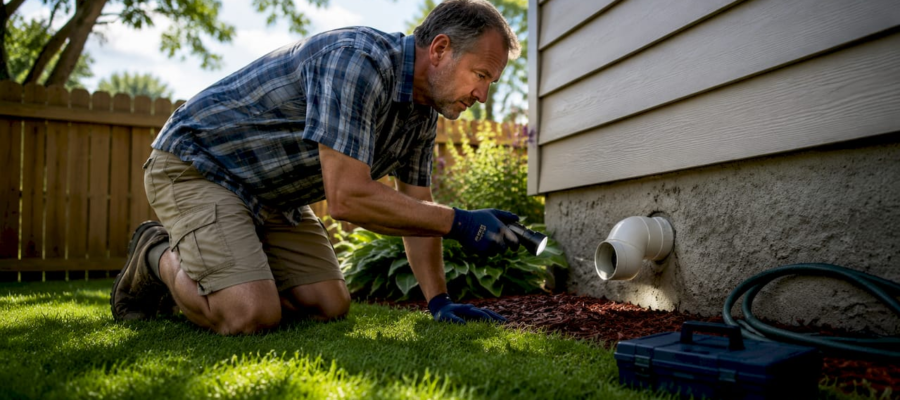
How to Clear Vent Obstructions: 2026 Home Guide
TL;DR:
- Vent obstructions can restrict airflow, trap gases, and reduce system efficiency in plumbing, HVAC, and chimney systems. Proper tools, safety procedures, and regular inspections are essential to safely identify, access, and clear these blockages, preventing damage and health hazards. When in doubt or facing complex or hazardous situations, professional assistance ensures safe and effective vent maintenance.
Vent obstruction is defined as any blockage inside a plumbing vent, HVAC air duct, or chimney flue that restricts airflow, traps gases, or reduces system efficiency. Knowing how to clear vent obstructions correctly protects your indoor air quality, prevents sewer gas from entering your living space, and keeps your heating and cooling system running at full capacity. The right approach depends on the vent type: plumbing vents require a plumber’s snake or garden hose, HVAC air vents need vacuuming and cover washing, and chimneys call for wire or poly brushes with HEPA-filtered vacuums. This guide covers all three, with safety procedures built in for every step.
What tools and materials do you need to clear vent obstructions?
The tools you need depend directly on the type of vent and the nature of the blockage. Using the wrong tool wastes time and can push debris deeper into the pipe.
Common blockage types by vent category:
- Plumbing vents: leaves, bird nests, ice buildup, small animal debris
- HVAC air vents: dust, pet dander, mold growth, construction debris
- Chimneys: creosote buildup, bird nests, leaves, water intrusion damage
Here is a quick comparison to match your tool to the job:
| Blockage Type | Recommended Tool | Notes |
|---|---|---|
| Leaves and loose debris | Garden hose or flashlight inspection | Start with visual check before inserting tools |
| Bird nests or compacted debris | Plumber’s snake (25–50 ft) | Feed slowly to avoid pipe damage |
| Dust and dander on HVAC vents | Vacuum with brush attachment | Use crevice tool for duct interiors |
| Creosote in chimney | Wire or poly chimney brush | Poly brushes are recommended as a safe default |
| Fine creosote particles | HEPA-filter vacuum | Standard shop vacuums spread toxic soot |
| Ice blockage in plumbing vent | Hot water via washing machine hose | Avoids dangerous roof climbs with buckets |

For HVAC vent covers, warm water with dish soap and white vinegar removes grime without damaging the finish. Safety gear for any roof or elevated work includes rubber-soled shoes, a safety harness, and a stable ladder rated for your weight.
Pro Tip: Never use a standard shop vacuum when cleaning chimney debris. A HEPA-equipped vacuum is the only safe option for capturing fine creosote particles that cause respiratory harm.
How do you safely locate and access vent obstructions?
Identifying where a blockage sits before you grab any tools saves you from unnecessary roof trips and misdirected effort.

Signs of a blocked vent inside your home
You do not always need to climb to the roof first. These interior signals point to a vent obstruction:
- Slow-draining sinks, tubs, or toilets with no obvious pipe clog
- Gurgling sounds from drains after flushing
- Sewer gas odor near drains or in bathrooms
- Reduced airflow from HVAC registers
- Visible dust rings or discoloration around vent covers
Once you notice these signs, use a flashlight to inspect the vent pipe opening from the roof or from an accessible interior access point. A flashlight inspection takes two minutes and often reveals the blockage location before you commit to a full clearing job.
Safe roof access procedures
Roof work carries real risks, and that fact is worth taking seriously before you climb. Follow these steps to reduce the chance of a fall:
- Work only on a dry roof. Wet or frost-covered surfaces are the leading cause of rooftop falls.
- Wear rubber-soled shoes with grip tread.
- Anchor a safety harness to a ridge anchor before stepping onto the slope.
- Have a second person on the ground to stabilize the ladder and call for help if needed.
- Avoid roof access entirely if the pitch is steep or the obstruction location is unclear.
Pro Tip: If you are not comfortable on a ladder or the roof pitch is steep, call a professional. Professionals offer safer clearance for deep or hard-to-reach clogs, especially in multi-story homes in New York, New Jersey, and Connecticut.
Step-by-step methods to clear vent pipe blockages
These steps apply to plumbing vent pipes, which are the vertical pipes that run from your drain system through the roof. Standard blockages typically clear within 1–2 hours when you follow the right sequence.
-
Inspect the vent opening. Climb to the roof safely and shine a flashlight down the vent pipe. If you can see the obstruction within arm’s reach, remove it by hand with gloves on.
-
Feed the plumber’s snake. Insert a 25-foot or 50-foot plumber’s snake into the vent opening. Push it down slowly, rotating as you go. You will feel resistance when the snake contacts the blockage. Continue rotating until the resistance breaks up.
-
Flush with a garden hose. Once the snake moves freely, insert a garden hose into the vent and run water at full pressure. The water flushes loosened debris down through the drain system. Watch for water backing up, which signals the clog has not fully cleared.
-
Repeat if needed. For stubborn blockages, alternate between the snake and the hose in two or three cycles. Most residential clogs clear within this process.
-
Handle frozen vents differently. In freezing conditions, pour hot water through a hose connected to a washing machine spigot rather than carrying a bucket up a ladder. This method is safer and delivers a steady flow of warm water directly into the frozen pipe.
-
Confirm clearance. Return inside and run water in the affected drain. If it flows freely and the gurgling stops, the vent is clear.
Pro Tip: If the snake hits resistance that will not break up after three attempts, stop. Forcing the snake can crack older PVC or cast iron vent pipes. At that point, the job calls for a professional camera inspection.
How to clean HVAC air vents to prevent blockages
Keeping HVAC air vents clean is the most consistent thing you can do to maintain air quality and prevent buildup from becoming a full obstruction. The process is straightforward and takes less than an hour for most homes.
Follow these steps for a thorough cleaning:
-
Turn off the HVAC system. Running the system during cleaning pulls dust deeper into the ducts, making the problem worse. Switch the system off at the thermostat before you touch a single vent cover.
-
Remove the vent covers. Unscrew each register cover and take it to a sink or bathtub.
-
Soak the covers. Soak covers for 10–15 minutes in warm water mixed with dish soap and a splash of white vinegar. This loosens grease, dust, and mold without damaging the finish.
-
Scrub and rinse. Use a soft brush to scrub between the slats, then rinse thoroughly. Let covers dry completely before reinstalling. Wet covers trap dust faster than dry ones.
-
Vacuum the duct opening. With the cover off, use a vacuum with a brush attachment to clean the visible duct interior. Switch to a crevice tool to reach further in.
-
Reinstall and test. Replace the covers, turn the system back on, and check airflow at each register.
Signs your vents need cleaning now:
- Visible dust rings around the register frame
- Musty or stale odor when the system runs
- Noticeably reduced airflow from one or more registers
- Allergy symptoms that worsen indoors
Experts recommend wiping down vent covers every few months and scheduling a comprehensive HVAC inspection every 1–3 years. For more detail on maintaining your full system, the HVAC maintenance guide from Amazonairpro covers inspection schedules and procedures.
Pro Tip: Place a thin layer of cheesecloth over the inside of a vent cover before reinstalling it. The cloth catches large dust particles before they enter the duct, extending the time between full cleanings.
How to clear chimney obstructions safely and effectively
Chimney obstructions are a fire hazard, not just an airflow problem. Creosote buildup, bird nests, and trapped debris are the three most common causes of blocked flues in homes across New York, New Jersey, and Connecticut.
Common chimney blockages:
- Creosote deposits from wood combustion
- Bird or squirrel nests (often starlings or chimney swifts)
- Leaves and windblown debris
- Water intrusion damage and collapsed liner sections
Top-down chimney cleaning method
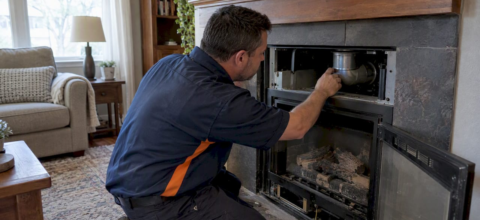
Top-down cleaning is the preferred method when safe roof access is available. Debris falls into the firebox rather than toward you, which keeps the work cleaner and safer.
-
Seal the firebox opening. Tape heavy plastic sheeting over the fireplace opening inside the home. This contains soot and debris during brushing.
-
Attach the chimney brush. Connect a wire or poly brush to flexible rods. Poly brushes work safely on most liner types without scratching.
-
Brush from the top down. Insert the brush into the flue from the roof and push it down in short, firm strokes. Add rod sections as you go deeper.
-
Clean the smoke shelf. The smoke shelf traps debris and moisture that cause corrosion and fire hazards. Reach in through the firebox opening and manually clear it with a brush and dustpan.
-
Vacuum with a HEPA filter. Remove the plastic sheeting carefully and vacuum all fallen debris from the firebox using a HEPA-filter vacuum. Standard shop vacuums cannot contain fine creosote particles.
-
Check the damper. Open and close the damper to confirm it moves freely and seals properly.
A note on wildlife: Before removing any nest from a chimney, confirm it is inactive. Chimney swifts are a federally protected species under the Migratory Bird Treaty Act. Disturbing an active nest carries legal penalties. If you see active birds, contact a wildlife removal professional before proceeding.
For professional chimney cleaning services in New York and New Jersey, Amazonairpro handles creosote removal, nest clearance, and full flue inspections.
Key takeaways
Clearing vent obstructions safely requires matching the right tool to the vent type, following proper safety procedures for roof access, and cleaning HVAC vents regularly to prevent buildup from becoming a full blockage.
| Point | Details |
|---|---|
| Match tools to vent type | Use a plumber’s snake for plumbing vents, a chimney brush for flues, and a vacuum for HVAC registers. |
| Turn off HVAC before cleaning | Running the system during vent cleaning pulls dust deeper into ducts and worsens contamination. |
| Use HEPA vacuums for chimneys | Standard shop vacuums spread toxic creosote particles; only HEPA-filtered units contain fine soot safely. |
| Clean HVAC covers every few months | Regular cover washing and duct vacuuming prevents dust buildup from restricting airflow. |
| Know when to call a professional | Steep roofs, stubborn clogs, and active wildlife nests all call for professional help rather than DIY effort. |
What I have learned after years of watching homeowners tackle this the hard way
The most common mistake I see is skipping the flashlight inspection and going straight to the snake. Homeowners spend an hour on the roof working a tool through a vent that turns out to be clear at the top. The actual blockage is three feet down and visible with a $15 flashlight. Two minutes of looking saves an hour of labor.
The second mistake is underestimating chimney work. People treat it like cleaning a dryer vent, which it is not. Creosote is a combustion byproduct that builds up in layers, and the fine particles it releases during brushing are genuinely hazardous without the right vacuum. I have seen homeowners use a regular shop vac and coat their living room in black soot. A HEPA vacuum is not optional for this job.
The third thing I would push back on is the idea that all of this is purely DIY territory. Accessible, ground-level vents and standard HVAC covers are absolutely manageable for most homeowners. But roof work on a two-story home in January, or a chimney with three seasons of creosote and a bird nest on top of it, is a different situation. The time and risk involved often make professional service the smarter call, not the lazy one. Knowing where your comfort level ends is a practical skill, not a weakness.
For homeowners in New York, New Jersey, and Connecticut, the annual vent inspection checklist from Amazonairpro is a useful starting point for building a regular maintenance routine before problems develop.
— Victor
Let Amazonairpro handle the hard-to-reach obstructions
Some vent obstructions are straightforward DIY jobs. Others involve roof access, creosote buildup, or duct systems that run through walls and ceilings where no homeowner should be working alone. Amazonairpro has served residential and commercial clients across New York, New Jersey, and Connecticut for over 10 years, handling professional air duct cleaning, dryer vent clearing, and full chimney cleaning with HEPA-equipped equipment and trained technicians.

If your drains are gurgling, your HVAC airflow has dropped, or your fireplace smells off, those are signals worth acting on. Amazonairpro’s team can inspect, clear, and document the condition of your vents so you know exactly what was found and what was fixed. Book a service visit today and get your ventilation system back to full performance.
FAQ
What are the signs of a blocked plumbing vent?
Slow drains, gurgling sounds after flushing, and sewer gas odors near drains are the most common signs. These symptoms appear because a blocked vent traps air pressure in the drain system.
How do I safely clear a frozen plumbing vent in winter?
Connect a garden hose to a washing machine spigot and run hot water directly into the frozen vent pipe from the roof. This method avoids the dangerous combination of a ladder climb and a heavy bucket of hot water.
How often should I clean my HVAC air vent covers?
Wipe down vent covers every few months and schedule a full HVAC inspection every 1–3 years. Homes with pets or allergy sufferers benefit from more frequent cover cleaning.
Can I clean my chimney myself?
Yes, for light creosote and loose debris, a poly chimney brush and HEPA vacuum handle the job safely. For heavy creosote buildup or active wildlife nests, hire a certified chimney professional to avoid fire risk and legal issues with protected species.
When should I call a professional instead of clearing vents myself?
Call a professional when the obstruction location is unclear, the roof pitch is steep, the clog does not clear after multiple attempts, or the chimney has not been cleaned in more than a year. Safe vent cleaning practices from Amazonairpro outline exactly where DIY ends and professional service begins.
Recommended
- What Causes Duct Blockages: A Homeowner’s Guide – Amazon Air Duct Cleaning
- Scheduling Seasonal Vent Cleaning: a Homeowner’s Guide – Amazon Air Duct Cleaning
- Step-by-step guide to building a vent cleaning plan – Amazon Air Duct Cleaning
- Safe vent cleaning practices to protect your home’s air – Amazon Air Duct Cleaning