How to Train Janitorial Staff for Vent Cleaning
TL;DR:
- Effective vent cleaning training requires a structured four-week program that emphasizes safety, equipment operation, and proper procedures to ensure consistent results. Continual assessment through unannounced audits and written SOPs maintains high standards and prevents skill drift over time. Using a certified trainer model and region-specific guidelines enhances staff competence and long-term performance.
Effective vent cleaning training is defined as a structured program that builds safety knowledge, equipment competence, and procedural mastery in janitorial staff before they work unsupervised. Knowing how to train janitorial staff for vent cleaning correctly means going beyond a single walkthrough. It requires a phased approach covering OSHA-aligned safety protocols, hands-on equipment operation, NADCA-informed cleaning techniques, and verified competency checks. Facility managers and janitorial supervisors in New York, New Jersey, and Connecticut who skip this structure end up with inconsistent results, damaged ductwork, and real indoor air quality risks for building occupants.
What prerequisites and tools are essential before starting vent cleaning training?

Strong training starts before your staff touches a single vent. A facility assessment comes first. Walk the property and document duct types, access points, and any visible contamination. This step lets you tailor your training procedures to the actual conditions your team will face, rather than generic scenarios.
Training must include safety knowledge on chemical handling, PPE use, and hazard recognition from the very first day. This safety-first foundation reduces risk and supports compliance with OSHA standards. Skipping it creates liability exposure for your facility.
Every trainer and trainee needs the right gear and tools before any hands-on work begins. The table below outlines the core requirements:
| Category | Item | Purpose |
|---|---|---|
| PPE | N95 or P100 respirator | Protects against airborne dust and mold spores |
| PPE | Safety goggles | Shields eyes from debris during duct access |
| PPE | Nitrile gloves | Prevents skin contact with contaminants |
| Equipment | HEPA vacuum unit | Captures fine particulates during cleaning |
| Equipment | Rotary brush system | Loosens debris from duct walls |
| Equipment | Air whip or skipper ball | Dislodges buildup in flex ducts |
| Documentation | Digital checklist app | Records inspection findings and training progress |
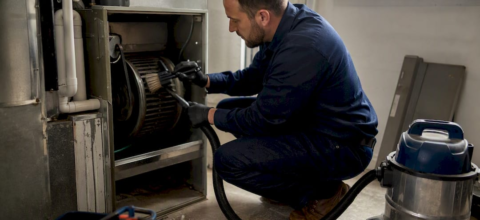
Beyond PPE, staff need a working understanding of the duct cleaning equipment they will operate. Rotary brushes, HEPA vacuums, and air whips each have specific operating procedures. Introducing equipment before safety context is a common training mistake that leads to misuse.
Pro Tip: Before training begins, photograph every vent register and access panel in the facility. This creates a baseline record that trainers can reference during competency checks and quality audits.

How to structure a phased vent cleaning training program for lasting competence
A 4-week phased training model is the most reliable structure for building lasting competence in janitorial staff. Each week targets a specific skill layer, so knowledge builds progressively rather than overwhelming staff on day one. Rushing this sequence is the single most common reason training fails.
-
Week 1: Safety and compliance fundamentals. Cover OSHA hazard communication, PPE selection and fit, chemical handling, and how to recognize early warning signs of duct contamination such as musty odors or visible moisture. Staff who can identify contamination signs early shift from reactive cleaners to preventative technicians.
-
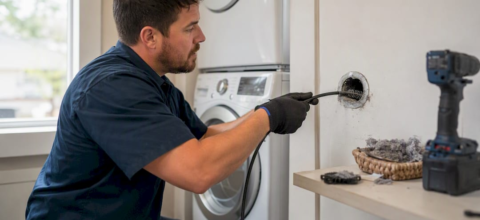
Week 2: Equipment operation. Introduce each tool with a live demonstration. Cover HEPA vacuum setup, rotary brush attachment, and air whip operation. Follow every demonstration with supervised hands-on practice. Supervisors often mistake watching a video for adequate training. Hands-on supervised practice with direct feedback is what actually builds skill.
-
Week 3: Vent cleaning techniques and workflow. Teach the full cleaning sequence, the High-to-Low rule, negative pressure setup, and how to handle different duct materials. Introduce your written SOPs during this week so staff connect procedures to real tasks.
-
Week 4: Independent operation and verification. The trainee cleans a designated area without guidance while the supervisor observes and scores against a competency checklist. Independent verification is the step most programs skip. Skipping it leads directly to post-training quality drift, where staff revert to shortcuts once supervision ends.
Pro Tip: Issue a signed competency certificate at the end of Week 4. Staff take credentialed recognition seriously, and it creates a documented record for your facility’s compliance files.
What are the best vent cleaning techniques and operational procedures to train?
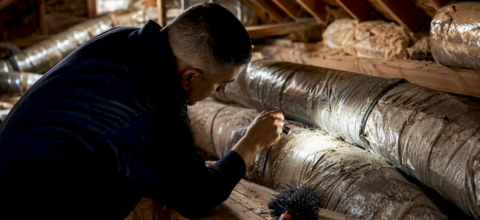
The three core vent cleaning methods your staff must know are negative pressure extraction, soft rotary brushing, and air whip agitation. Each method suits different duct conditions. Training staff to choose the right method for the right situation is what separates a competent team from one that causes damage.
The High-to-Low cleaning rule is the most critical procedural habit to instill. Ceilings and vents are always cleaned before floor surfaces. Dust and debris fall downward during cleaning. If staff clean floors first, they contaminate them again when they work on vents above. This rule must become automatic, not a step staff consciously recall.
The comparison table below shows when to apply each method:
| Method | Best Used For | Key Caution |
|---|---|---|
| Negative pressure extraction | Sheet metal ducts with heavy buildup | Seal all registers before activating vacuum |
| Soft rotary brushing | Light to moderate debris in rigid ducts | Match brush diameter to duct size |
| Air whip agitation | Flex duct with loose debris | Low pressure only; inspect for tears first |
Your SOPs must be written in active language from the cleaner’s perspective, using “must” instead of “should” throughout. Vague language in SOPs creates inconsistency. A step that says “you must seal all registers before activating the vacuum” leaves no room for interpretation.
Staff also need clear “No-Go” criteria. Flex duct tears larger than 1/4 inch or visible mold growth are escalation triggers, not cleaning tasks. Mechanical cleaning on compromised ductwork spreads contaminants and worsens structural damage. Train staff to stop, document, and report rather than proceed.
- Inspect flex duct visually before any tool contact
- Flag any moisture staining, visible mold, or physical tears
- Document findings with a photo and notify the supervisor immediately
- Never apply rotary brushes to damaged flex duct sections
For facilities in NY, NJ, and CT, the commercial vent cleaning guide from Amazonairpro provides region-specific procedural guidance that aligns with local building standards.
How to verify training effectiveness and maintain high cleaning standards over time
Training effectiveness is confirmed through performance, not attendance. A staff member who completed all four weeks but cannot pass an unannounced quality check has not been trained effectively. Verification must be built into your ongoing operations, not treated as a one-time graduation event.
Unannounced audits and digital checklists with photographic proof are the most reliable tools for maintaining vent cleaning standards over time. Surprise inspections confirm that staff perform correctly without direct supervision. Scheduled inspections only confirm that staff can perform correctly when they know they are being watched.
Your quality assurance system should include:
- Monthly unannounced spot checks scored against your SOP checklist
- Photo documentation of vent condition before and after each cleaning
- A written feedback loop where inspection findings trigger retraining within 48 hours
- A certification log tracking each staff member’s training dates and audit scores
The Train the Trainer model is the most cost-effective path to scaling these standards across a larger team. ISSA’s program certifies supervisors who then train frontline staff directly. This approach reduces external training costs and builds internal capacity. Certified trainers also elevate the professional status of janitorial staff, improving morale and reducing turnover.
Written SOPs aligned with training create accountability and reduce drift in cleaning standards over time. When a staff member’s audit score drops, the SOP is the reference point for retraining. Without documented procedures, retraining becomes subjective and inconsistent.
Pro Tip: Pair your digital checklist with a simple photo log. Before-and-after images of each vent register create an undeniable record of quality and give staff visible proof of their own work.
Key takeaways
Effective janitorial vent cleaning training requires a 4-week phased program, OSHA-aligned safety protocols, method-specific technique instruction, and ongoing unannounced quality audits to prevent skill fade.
| Point | Details |
|---|---|
| Start with safety and assessment | Complete a facility walkthrough and cover PPE and hazard recognition before any hands-on equipment work. |
| Use a 4-week phased structure | Progress from safety basics to equipment use, then techniques, then independent verification to build lasting competence. |
| Teach the High-to-Low rule | Always clean ceilings and vents before floors to prevent dust re-contamination of cleaned surfaces. |
| Apply No-Go criteria for damaged ducts | Flex duct tears over 1/4 inch or mold growth require escalation, not cleaning, to avoid spreading contaminants. |
| Verify with unannounced audits | Surprise inspections and photo documentation confirm standards hold without direct supervision over time. |
What I’ve learned from watching vent cleaning training programs fail
Most training failures I’ve seen in facility management come down to one skipped step: independent verification. Supervisors invest time in the first three weeks, then assume the trainee is ready because they watched and practiced. The fourth week, where the trainee works alone and gets scored, feels redundant. It is not. That step is where you find out whether the training actually worked or whether the staff member was simply performing for the trainer.
The second pattern I’ve seen repeatedly is SOPs written in passive, vague language. “Vents should be cleaned from top to bottom” is not an instruction. “You must clean all ceiling vents before cleaning floor registers” is. The difference sounds minor. In practice, it determines whether your team is consistent across every shift and every building.
The Train the Trainer model from ISSA is genuinely underused in the NY, NJ, and CT facility management space. Supervisors who go through certification come back with a different mindset. They stop thinking of vent cleaning as a task to delegate and start thinking of it as a skill to develop. That shift changes how they run their teams. Staff who are trained by a certified trainer, rather than a colleague who was told to “show them the ropes,” perform at a measurably higher level and stay in their roles longer.
Invest in your internal trainers first. Everything else in your training program depends on the quality of that person.
— Victor
Professional vent and duct cleaning support from Amazonairpro
Building a strong internal training program takes time, and some facilities need expert support while that program is being developed. Amazonairpro has served commercial and residential clients across New York, New Jersey, and Connecticut for over 10 years, with a team trained in NADCA-aligned procedures for air duct and vent cleaning.

Whether you need a professional air duct cleaning service to establish a clean baseline before your staff takes over maintenance, or you want to see how certified technicians execute the techniques covered in this guide, Amazonairpro’s team is available to support your facility. For commercial properties across NY, NJ, and CT, the commercial air duct cleaning service provides the documented results your compliance records require. Contact Amazonairpro to schedule a service or consultation.
FAQ
What does a vent cleaning training program cover?
A vent cleaning training program covers PPE use, OSHA safety protocols, equipment operation, cleaning techniques like negative pressure and rotary brushing, and independent competency verification. A structured 4-week program is the recommended format for building lasting skills.
How long does it take to train janitorial staff for vent cleaning?
A complete training program runs a minimum of four weeks, with each week targeting a distinct skill area from safety basics through to independent operation. Rushing this timeline increases the risk of post-training quality drift.
What are the No-Go criteria staff must know before cleaning flex ducts?
Staff must stop and escalate when flex duct shows tears larger than 1/4 inch or visible mold growth. Mechanical cleaning on compromised ducts spreads contaminants and causes further structural damage.
How do you maintain vent cleaning standards after training ends?
Unannounced quality audits scored against written SOPs, combined with photo documentation, are the most reliable method. The Train the Trainer model from ISSA supports scalable, consistent standards across larger teams.
What is the High-to-Low cleaning rule in vent cleaning?
The High-to-Low rule requires staff to clean ceiling vents and upper surfaces before floor surfaces. This sequence prevents dust dislodged during vent cleaning from re-contaminating already-cleaned floor areas.
Recommended
- Step-by-step guide to building a vent cleaning plan – Amazon Air Duct Cleaning
- Vent cleaning tips for agents to boost property value – Amazon Air Duct Cleaning
- Lease Turnover Vent Cleaning: A Property Manager’s Guide – Amazon Air Duct Cleaning
- Safe vent cleaning practices to protect your home’s air – Amazon Air Duct Cleaning