The Best Ways to Lower CO2 Levels in Your Home
Maintaining healthy indoor CO2 levels is crucial for air quality and overall well-being. While outdoor air naturally contains CO2, indoor levels can rise due to everyday activities and poor ventilation. Common sources include cooking, heating systems, gas appliances, and even human respiration. When CO2 levels become too high, they can cause fatigue, headaches, difficulty concentrating, and poor sleep quality.
Understanding the sources and potential health effects of CO2 buildup is the first step in improving indoor air quality. Implementing effective solutions, such as increasing ventilation, using air purifiers, and adding certain houseplants, can help maintain balanced CO2 levels and create a healthier living environment.
What Is a Healthy Indoor CO2 Level?
A healthy indoor environment typically maintains CO2 concentrations between 400 and 1,000 ppm (parts per million), provided there is good air exchange. When CO2 levels approach the upper end of this range, occupants may experience negative effects such as headaches, fatigue, dizziness, and reduced concentration.
To put these numbers into perspective:
- Outdoor air generally contains 350 to 450 ppm of CO2.
- Indoor spaces almost always have higher concentrations due to limited ventilation, insulation, and the presence of multiple occupants.
- Ppm (parts per million) is a unit used to measure the dilute concentration of gases, including CO2, in the air.
Without proper airflow, CO2 can accumulate quickly, especially in homes with sealed windows, heavy insulation, or those located in high-traffic areas. Monitoring CO2 levels and maintaining proper ventilation helps create a healthier indoor environment.
What Happens When CO2 Levels Get Too High?
Excess CO2 in indoor air reduces oxygen intake, leading to symptoms like headaches, dizziness, and difficulty breathing. Hypoventilation causes CO2 to enter the bloodstream, affecting cognitive function and overall well-being.
People with asthma or respiratory conditions are especially vulnerable, as high CO2 levels can worsen symptoms and make breathing more difficult. In poorly ventilated spaces, prolonged exposure can lead to fatigue, confusion, and increased heart rate. Proper air circulation is crucial to prevent these effects.
How to Lower CO2 Levels in Your Home
Indoor CO2 levels can rise due to everyday activities, poor ventilation, and household habits. Implementing small changes can significantly improve air quality and reduce CO2 buildup.
Avoid Smoking Indoors
Cigarettes release significant amounts of CO2 and other pollutants that linger in enclosed spaces. If quitting isn’t an option, smoke outdoors and away from windows to prevent pollutants from seeping back inside.
Increase Ventilation
Outdoor air has lower CO2 levels than indoor air. Proper airflow helps maintain a healthy balance. Open windows for at least 15–30 minutes daily, use exhaust fans, or install air exchange systems to regulate air circulation.
Several factors influence indoor CO2 accumulation, including:
- The number of people in the room and room size
- Length of time spent indoors
- Activities such as cooking or burning fuel
- Air exchange rates and outdoor air circulation
Reduce Gas and Wood Stove Use
Gas and wood-burning stoves consume oxygen and release CO2. Cooking can triple CO2 levels, especially in homes with poor ventilation. If you cook frequently, consider using electric appliances or maintaining proper ventilation while cooking.
Fireplaces and candles also contribute to CO2 buildup. If you enjoy the cozy glow of candles or a roaring fire, be mindful of prolonged exposure, as burning fuels can replace oxygen with carbon dioxide.
Clean and Maintain Indoor Air Quality
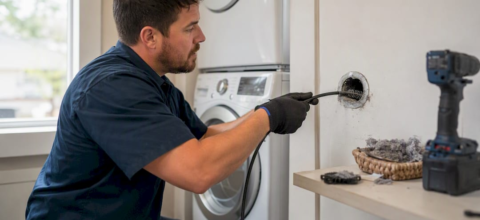
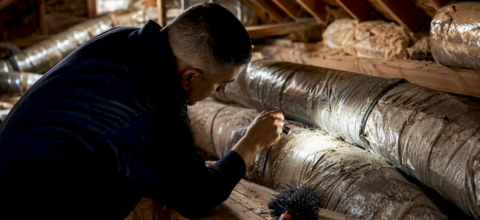
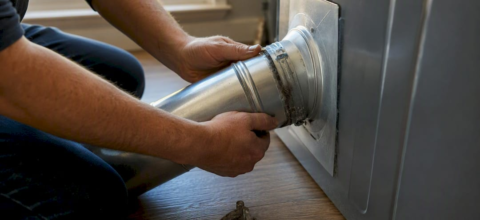
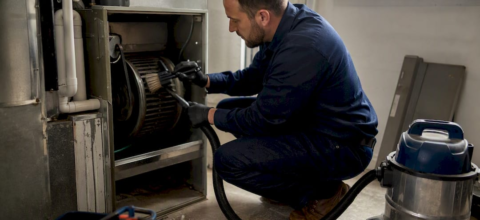
- Clean air ducts every 3-5 years to remove dust and pollutants that can trap CO2.
- Change HVAC filters every 60 days to maintain efficient airflow.
- Vacuum rugs and carpets regularly, especially if you have pets. Pet dander and dust can circulate pollutants, affecting air quality.
Choose Natural Cleaning Products
Many chemical-based cleaning products release volatile organic compounds (VOCs), which can contribute to poor air quality. Opt for natural, fragrance-free cleaning solutions to minimize indoor pollution.
Purify the Air
- Open windows for at least 30 minutes daily to refresh indoor air.
- Keep windows open in your bedroom before and after sleep.
- Consider using air purifiers with carbon filters to help remove CO2 and other contaminants.
Ventilate Your Bedroom for Better Sleep
We spend a third of our lives sleeping, and proper ventilation is key to restorative rest. During sleep, we exhale CO2, which can accumulate in an unventilated room, leading to poor sleep, headaches, and grogginess in the morning. Keeping windows or doors open helps maintain oxygen levels, promoting better sleep and improved energy levels throughout the day.
By making these simple adjustments, you can significantly reduce CO2 levels, improve indoor air quality, and create a healthier living environment.
Conclusion: The Benefits of Prioritizing Air Quality
Maintaining healthy indoor CO2 levels is essential for overall well-being, air quality, and energy efficiency. Homes in busier areas may be more prone to elevated CO2 levels due to traffic pollution and limited ventilation, making proactive measures even more important.
By improving ventilation, reducing the use of gas appliances, avoiding indoor smoking, and regularly maintaining HVAC systems, you can significantly lower CO2 buildup. Simple daily habits—such as opening windows, vacuuming rugs, and using natural cleaning products—further contribute to a cleaner, healthier home.
Prioritizing air quality not only enhances comfort but also supports better sleep, improved concentration, and long-term respiratory health. Small changes today can lead to lasting benefits for you and your household.
Ready for Clean Air? Contact Amazon Air Duct Cleaning in NJ
Ready to breathe cleaner air and lower CO2 levels in your home or business? Amazon Air Duct Cleaning offers expert air duct, dryer vent, and chimney cleaning services to help improve your indoor air quality. Serving Toms River & Trenton, NJ, and White Plains, NY, our team keeps your space fresh, healthy, and safe.
Contact us today to schedule a service and take the first step towards a cleaner, healthier environment. Call (800) 482-8224 or visit our website to learn more!