Seasonal Indoor Air Maintenance Tasks: Your Year-Round Guide
TL;DR:
- Proper seasonal indoor air maintenance involves routine tasks like filter replacement, duct cleaning, and controlling humidity to reduce pollutants. Homeowners should adjust these tasks based on seasonal risks, especially during spring pollen, summer humidity, fall HVAC transition, and winter sealing. Regular monitoring and timing of ventilation, combined with professional duct cleaning every 3 to 5 years, ensure healthier indoor air year-round.
Seasonal indoor air maintenance tasks are the specific, scheduled actions you take each season to protect your home’s air quality and keep your HVAC system running efficiently. Indoor air pollutant levels can run 2–5 times higher than outdoor air, which means what happens inside your walls matters more than most homeowners in New York, New Jersey, and Connecticut realize. Effective indoor air quality maintenance requires four balanced pillars: ventilation, filtration, source control, and routine upkeep. Skip one, and the others lose much of their value. This guide breaks down the right tasks for each season so you stay ahead of the problem rather than reacting to it.

1. What are the essential spring tasks for indoor air quality maintenance?
Spring is the highest-risk season for allergen exposure indoors. Pollen counts surge, humidity climbs, and your HVAC system transitions from heating to cooling, stirring up whatever settled in the ducts over winter.
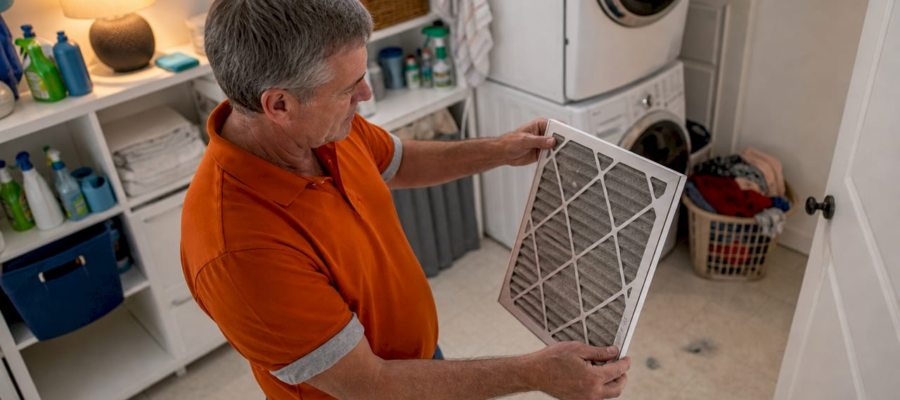
- Replace HVAC and air purifier filters. Spring allergy season demands more frequent changes. If you have pets or allergy sufferers at home, swap filters every 30–45 days rather than the standard 90.
- Schedule air duct cleaning if overdue. Ducts need cleaning every 3–5 years under normal conditions, and sooner after renovations or if you have pets. Spring is an ideal time to clear out winter accumulation.
- Control indoor humidity. Humidity between 30% and 50% prevents mold growth and keeps dust mite populations in check. That range is your target year-round, but spring moisture makes it especially easy to overshoot.
- Vacuum with a HEPA-rated vacuum. HEPA vacuums capture 99.97% of particles as small as 0.3 microns. Standard vacuums recirculate fine allergens back into the air.
- Open windows strategically. Peak pollen hours fall in the early morning and late afternoon. Check your local AQI and pollen count before ventilating naturally.
- Switch to low-VOC cleaning products. Spring cleaning with conventional products floods your indoor air with volatile organic compounds. Low-VOC or plant-based alternatives reduce that chemical load significantly.
- Wash bedding weekly. Hot-water washing kills dust mites and removes the pollen that settles on fabric overnight.
Pro Tip: If you use an IAQ monitor or smart air sensor, spring is the right time to recalibrate the device and update its firmware. Sensors drift over time, and accurate readings matter most when outdoor conditions are changing fast.
2. Which indoor air maintenance tasks should be prioritized in summer?
Summer puts your air conditioning system under sustained stress. The longer your AC runs, the faster filters clog and the more dust accumulates on vents and coils.
- Replace or clean air filters every 1–3 months. AC systems running continuously pull more air through the filter. A clogged filter reduces airflow and forces the system to work harder.
- Inspect and clean vents and registers. Dust buildup on supply and return vents restricts airflow and reintroduces particles into the air stream. Wipe them down monthly during peak cooling season.
- Manage indoor humidity with a dehumidifier. Humid summers in NJ and CT push indoor humidity above 50% easily. A dehumidifier keeps conditions in the safe range and reduces the musty odors that signal mold risk.
- Test carbon monoxide detectors. Summer storms knock out power and prompt generator use indoors. Test CO detectors after any major storm and replace batteries proactively.
- Clean or replace pre-filters and activated carbon layers in air purifiers. These layers handle chemical odors and larger particles. They saturate faster in summer when windows open more and outdoor pollutants enter.
- Time window openings carefully. Outdoor ozone levels peak on hot, sunny afternoons in urban areas like New York City and northern New Jersey. Early morning is the safest window for natural ventilation.
- Vacuum with a HEPA vacuum weekly. Summer foot traffic and open windows bring in more outdoor particles. Weekly HEPA vacuuming keeps allergen levels manageable.
Pro Tip: If your ducts are not urgently dirty, delay professional duct cleaning until after summer. Disturbing the duct system during peak AC use can temporarily reduce airflow efficiency at the worst possible time.
3. What fall preparation tasks help maintain indoor air quality and HVAC performance?
Fall is the most important season for proactive HVAC maintenance. You are transitioning from cooling to heating, and any contamination in the system will circulate through your home all winter.
- Change air filters before heating season starts. A fresh filter going into winter reduces strain on your furnace and prevents the first heating cycle from blowing accumulated dust through every room.
- Clean supply and return vents. Clear vents allow unobstructed airflow. Blocked returns force the system to work harder and reduce the volume of air being filtered.
- Inspect carbon monoxide detectors and replace batteries. Heating appliances are the primary CO risk. Test detectors in october before you run the furnace for the first time.
- Schedule a professional HVAC inspection. Contaminants accumulate on coils and in ducts without regular maintenance, and microorganisms spread pollutants throughout the home once heating begins. A fall inspection catches problems before they become winter health hazards.
- Check for mold and water leaks. Reduced humidity in fall can mask moisture damage that developed over summer. Inspect basements, crawl spaces, and around HVAC equipment.
- Deep-clean floors and upholstery. Summer accumulates a full season of dust, pollen, and tracked-in debris. A thorough fall cleaning with a HEPA-rated vacuum removes that load before you seal the house for winter.
- Close windows during peak pollen hours. Ragweed season peaks in september and october across NY, NJ, and CT. Check pollen forecasts before opening windows in the morning.
Pro Tip: Download a weather app that shows both AQI and pollen index for your zip code. Checking both before opening windows takes 10 seconds and prevents hours of allergen exposure.
4. Which winter indoor air maintenance tasks improve air quality and safety?
Winter creates a specific set of air quality risks. Homes are sealed tight, heating runs constantly, and outdoor ventilation drops to near zero. That combination concentrates indoor pollutants faster than any other season.
- Replace air filters on schedule. Furnaces running continuously clog filters faster than you expect. Check filters monthly and replace them when they look gray, not on a fixed calendar date.
- Keep vents and registers clear. Furniture, rugs, and stored items block airflow. Walk through your home each month and confirm nothing is obstructing supply or return vents.
- Monitor indoor humidity and use a humidifier. Dry winter air drops below 30% humidity, which irritates airways and increases susceptibility to respiratory infections. A whole-home or room humidifier keeps conditions in the healthy range.
- Test CO detectors monthly. Gas furnaces, fireplaces, and space heaters all produce carbon monoxide. CO is odorless and colorless, making detector testing the only reliable safeguard.
- Avoid frequent window opening. Opening windows in winter wastes heat and, on cold days with road salt and vehicle exhaust in the air, can introduce outdoor pollutants. Brief mid-day airing works when outdoor AQI is low.
- Vacuum weekly with a HEPA vacuum. Sealed homes trap dust mite allergens, pet dander, and skin cells. Weekly vacuuming prevents buildup that would otherwise circulate through the heating system.
- Address HVAC contamination proactively. Preventive HVAC maintenance keeps biological contaminants from degrading indoor air. If your ducts were not cleaned in the past 3–5 years, winter is the season you will feel that neglect most.
Pro Tip: Set your CO2 sensor alert at 900 ppm, not 1,000 ppm. Cognitive performance begins to decline at 1,000–1,100 ppm, so a 900 ppm alert gives you time to ventilate before the problem affects your concentration or sleep quality.
Key takeaways
Consistent seasonal indoor air maintenance is the most reliable way to keep pollutant levels low, protect your HVAC system, and reduce health risks year-round.
| Point | Details |
|---|---|
| Humidity control is year-round | Keep indoor humidity between 30% and 50% in every season to prevent mold and dust mites. |
| Filter replacement drives results | Replace HVAC filters every 1–3 months, more often with pets or allergy sufferers in the home. |
| Duct cleaning has a schedule | Professional duct cleaning every 3–5 years is the standard, with shorter intervals after renovations or with pets. |
| CO monitoring is non-negotiable | Set CO2 sensor alerts at 900 ppm and test carbon monoxide detectors monthly during heating season. |
| Ventilation timing matters | Check local AQI and pollen counts before opening windows, especially in spring and fall in NY, NJ, and CT. |
What I’ve learned from watching homeowners skip the basics
The most common mistake I see is treating air quality maintenance as a single annual task rather than a rotating seasonal practice. Homeowners change their filter once in spring, feel good about it, and then run the furnace all winter on a clogged filter they forgot about. That single oversight undoes most of the benefit.
The second pattern worth noting is the ventilation trap. People in New Jersey and Connecticut open windows on the first warm day of spring without checking pollen counts. They feel like they are freshening the house. What they are actually doing is pulling millions of pollen particles through every room and depositing them on furniture, bedding, and HVAC intakes. Checking the AQI first is a 10-second habit that prevents hours of allergy symptoms.
Technology helps, but only if you use it. A $50 CO2 monitor on your kitchen counter gives you real data on ventilation quality. When the reading climbs toward 900 ppm, you know it is time to crack a window or run the ventilation fan. That is far more reliable than guessing based on how stuffy the room feels.
The honest truth about HVAC maintenance is that the four pillars work together. Filtration without source control leaves you chasing particles you keep generating. Ventilation without filtration just trades indoor pollutants for outdoor ones. The seasonal checklist approach works because it forces you to address all four pillars across the year rather than fixating on one.
— Victor
Professional air duct cleaning as part of your seasonal routine
DIY maintenance covers a lot of ground, but it has real limits. DIY duct cleaning risks damaging blower wheels and spreading dust if done incorrectly. Professionals use specialized equipment and HEPA vacuums to contain debris and protect your system components.

Amazonairpro has served homeowners and building managers across New York, New Jersey, and Connecticut for over 10 years. The team handles professional air duct cleaning along with dryer vent cleaning and chimney cleaning, covering both residential and commercial properties. Scheduling a professional cleaning once every 3–5 years, timed to your fall or spring maintenance window, gives your system a clean baseline that makes every other task more effective. If you are not sure whether your ducts are due, Amazonairpro can assess your system and give you a straight answer.
FAQ
How often should I replace my home air filter?
Replace standard HVAC filters every 1–3 months. Homes with pets, allergy sufferers, or recent renovations need more frequent changes, closer to every 30–45 days.
What humidity level is safe indoors?
Indoor humidity between 30% and 50% prevents mold growth and keeps dust mite populations low. Use a dehumidifier in summer and a humidifier in winter to stay in that range.
When is the best time to schedule air duct cleaning?
Fall and spring are the best times to schedule duct cleaning, as they align with HVAC system transitions. The standard cleaning interval is every 3–5 years, with shorter intervals for homes with pets or recent construction.
What CO2 level should trigger ventilation indoors?
Set your CO2 sensor alert at 900 ppm. Cognitive performance declines at 1,000–1,100 ppm, so a 900 ppm threshold gives you time to ventilate before air quality affects concentration or sleep.
Is it safe to open windows for ventilation during pollen season?
Opening windows during peak pollen hours, typically early morning and late afternoon, introduces high particle counts indoors. Check your local AQI and pollen index before ventilating naturally, especially in spring and fall across NY, NJ, and CT.
Recommended
- HVAC Maintenance Guide: Boost Air Quality & Efficiency – Amazon Air Duct Cleaning
- Get Ahead of the Heat: Essential HVAC Summer Maintenance
- Seasonal HVAC Maintenance Checklist for Homeowners
- Fall HVAC Tips for Home: Cleaner Ducts, Better Indoor Air