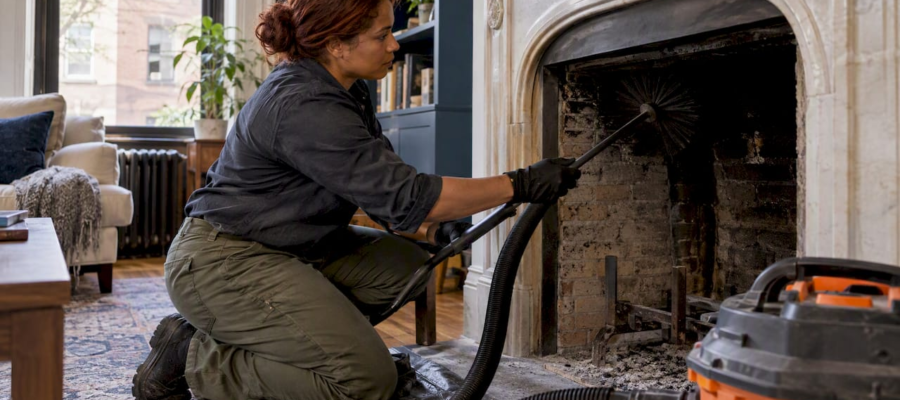
Chimney Cleaning Season in NYC: When to Book Your Sweep
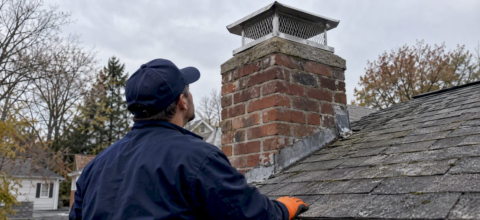
The best time to have your chimney cleaned in New York City is spring through late summer, well before the first cold night. The deadline is the start of heating season. If you are reading this in late October and have not had a sweep yet, book now and do not light a fire until the chimney has been checked.
That is the short version. The longer version explains why the calendar matters, how often a chimney really needs attention, and which signs mean you should not wait for “the season” at all. We cover homes and buildings in New York, New Jersey and Connecticut, so the advice below is written for the Northeast climate and for NYC-area owners, co-op and condo boards, and property managers.
TL;DR
- Best window: spring through late summer. Forbes Home notes that booking in the warmer months avoids the pre-fall rush.
- Latest sensible date: before heating season starts. NYC Department of Buildings says to clean and check a chimney once a year, preferably before heating season.
- How often: inspect at least annually, and sweep when the inspection says it is needed. Heavy wood burners may need more.
- Do not wait for the calendar if you smell smoke odors, see heavy soot or glaze, or have had a chimney fire.
Table of Contents
- What “chimney cleaning season” means in New York City
- Why spring and summer beat fall
- How often should a chimney be cleaned?
- Gas fireplaces count too
- Signs you should not wait for the season
- What NYC rules say
- A fall checklist if you are booking late
- What happens during a sweep
- Our perspective: treat the sweep as an inspection first
- Choosing a chimney service
- Book your chimney sweep with us
- FAQ
- Sources
What “chimney cleaning season” means in New York City
Chimney sweeps do not have an official season. What people call the season is a pattern of demand. Fall is the busiest time because everyone remembers their fireplace when temperatures drop. Spring and summer are quieter, which means easier scheduling, more flexible appointment times and room to complete repairs before you need the fireplace.
NYC Department of Buildings gives the plain rule in its guidance on weatherizing property: clean and check your chimney once a year, preferably before heating season starts. If the chimney has not been inspected within the last three years, the same page says to have it checked for blockages. That three-year line is a floor for neglected chimneys, not a recommended schedule.
In practice, the NYC calendar looks like this:
| Period | What it means for your chimney | Booking advice |
|---|---|---|
| Spring (March to May) | Fireplace use has just ended. Soot and creosote from the winter are still fresh in the flue. | Good time for a sweep and inspection while the season’s use is easy to remember. |
| Summer (June to August) | Lowest demand. Masonry repairs can be scheduled and finished. | Best time if the inspection may turn up repairs. |
| Early fall (September to October) | Demand climbs fast as temperatures drop. | Still workable, but expect to wait for an appointment. |
| Late fall and winter | Heaviest use, and the most urgent calls. | Book only if you need to, and avoid burning until checked. |
Why spring and summer beat fall
There are three practical reasons to sweep early.
1. Repairs need time. A sweep often finds something: a cracked flue tile, a damaged crown, a loose cap, failing mortar. This Old House reports that many homeowners clean in spring or summer so any repairs can be finished before heating season, and that an early-fall inspection suits a chimney that has not been checked recently. If you find a problem in November, you are waiting in line with everyone else.
2. Soot sitting in a flue is not harmless. Deposits left from last winter sit in the system through the humid New York summer. Sweeping soon after the burning season ends removes them rather than letting them age.
3. Scheduling is easier. Forbes Home reports that the practical window runs from spring through late summer, and that earlier summer booking can avoid the pre-fall rush. That matches what we see: the first cold snap produces a wave of calls.

There is a fair counterpoint worth sitting with for a moment. If you sweep in April and then burn forty fires the next winter, the chimney will not be in the same condition in January as it was in April. The season is about having a safe, inspected system at the start of heating season. How much you burn still decides whether you need a second look.
How often should a chimney be cleaned?
The standard is simple, and several authorities say the same thing.
- NFPA 211 and the Chimney Safety Institute of America (CSIA): chimneys, fireplaces and vents should be inspected at least annually for soundness, deposits and correct clearances, with cleaning, maintenance or repair done when necessary.
- New York State Division of Homeland Security and Emergency Services (DHSES): fireplaces, chimneys and chimney connections should get annual inspection and maintenance by qualified specialists.
- US EPA Burn Wise: fire officials recommend a professional annual inspection of the wood-burning appliance, chimney and vent, including a check for cracks.
Notice the wording: inspect annually, clean when needed. Inspection is the yearly step. Cleaning follows the findings. CSIA recommends sweeping a masonry fireplace chimney when there is 1/8 inch of soot, or sooner if glaze is present.
Does the amount you burn change the schedule?
Yes. The University of Missouri Extension explains that cleaning frequency depends on use, wood type, appliance type and how you operate the fire. It can range from every couple of weeks for a heavily used stove to at least once a year. The New York State Chimney Sweep Guild adds that even efficient stoves and well-built chimneys need annual inspection and periodic cleaning, and that older, less efficient stoves generally produce more flammable creosote.
A rough way to think about it:
- Occasional fires in a Manhattan apartment fireplace: annual inspection, sweep when it calls for one.
- Regular weekend fires in a Hudson Valley, Long Island, New Jersey or Connecticut house: annual sweep and inspection, and a mid-season look if you burn most evenings.
- Wood stove as a main heat source: more frequent checks. Our guide to wood stove chimney cleaning explains the NFPA-backed approach.
If you want more detail, we explain the question in how often you need chimney sweeping services.
Gas fireplaces count too
Many NYC owners assume that a gas fireplace needs no service. Gas burns cleaner than wood, but the venting system can still be blocked, corroded or damaged, and carbon monoxide is the concern. We cover the reasoning in why gas fireplaces need annual chimney inspections. The same goes for flues serving gas furnaces, which we explain in our note on inspecting before gas furnace flue cleaning.
Signs you should not wait for the season
A calendar is a default. These signs override it.
- Heavy soot, a shiny glaze or flaking black deposits. Glaze is a hardened form of creosote and a reason to sweep sooner, according to CSIA. Our page on creosote buildup signs explains why we document what we find before sweeping.
- Smoke that does not draw well, or a persistent smoky or campfire smell. A dirty, blocked or defective chimney can impair smoke venting and cause a chimney fire, and DHSES recommends annual inspection by a qualified chimney sweep for that reason.
- Cracks in the flue or masonry. The EPA says cracks can let smoke enter the home or expose chimney components to high temperatures that may cause a fire.
- A damaged or missing cap. Water, animals and debris get in. See our checklist on inspecting chimney caps yearly.
- A chimney fire, even a small one. The New York State Chimney Sweep Guild advises having a certified sweep inspect the chimney after it cools, notifying your insurer, and not using the chimney until the inspection and any needed repairs are complete.
- You just bought the home. Do not assume the previous owner kept up with it. A new buyer should schedule an inspection before the first fire.
If you have any doubt about whether a problem is urgent, do not burn until it has been looked at.
What NYC rules say
We are careful here, because the official guidance is more limited than people expect. NYC Department of Buildings advises owners to maintain heating equipment yearly through a qualified individual, and to verify that anyone inspecting a boiler or chimney holds the appropriate Department of Buildings and DCWP qualifications. Ask for those credentials before work begins.
For building owners and managers, the city’s rules on flue temperatures and field checks are covered in our NYC chimney code guide. Co-ops, condos and multi-unit buildings often add their own house rules for fireplaces, so check with your board or managing agent.
The same Buildings page lists other pre-winter jobs worth bundling with the sweep: servicing heating equipment, protecting pipes from freezing, clearing roof drainage, and keeping smoke and carbon monoxide alarms working. It also recommends changing alarm batteries twice a year when the clocks change.
A fall checklist if you are booking late
If the cold has arrived and you have not yet scheduled a sweep:
- Do not use the fireplace until it has been inspected. A blocked flue can push smoke and carbon monoxide into your living space.
- Call now and explain what you burn and when you last had it serviced. This helps the sweep plan the visit.
- Test your smoke and carbon monoxide alarms.
- Order seasoned hardwood. DHSES advises burning only well-seasoned hardwood and never burning trash.
- Clear the area around the hearth and prepare for access to the fireplace and roof if needed.
What happens during a sweep
A professional visit should include more than brushing. CSIA’s Level 1 inspection standard says the system must be checked for blockage, cleanliness and readily accessible defects, and that sweeping is recommended at 1/8 inch or more of buildup. The same document notes that flues with offsets may need a brush or an internal camera inspection, which can add time.
Our own process is described in what to expect from fireplace cleaning in NY, NJ and CT. In short, we protect your floors, clean the flue and firebox, and inspect what we can see, then explain what we found.
How to prepare
The University of Missouri Extension lists the basics for a fireplace chimney: make sure the fire is completely out, remove the damper plate, and seal the fireplace opening with a damp sheet. A professional will usually do the sealing and set-up, so what you need to do is simple:
- Let the fireplace go cold, ideally a full day.
- Clear furniture and rugs away from the hearth.
- Tell the technician about odors, smoke problems or earlier repairs.
- Make sure someone can give access to the roof or building when required.
Time depends on the type of chimney, how much buildup there is, and whether a camera inspection is needed. A straight, well-maintained flue is quick. An old flue with offsets, heavy glaze or a damaged cap takes longer.
Our perspective: treat the sweep as an inspection first
We have more than ten years of experience cleaning chimneys and HVAC systems for homeowners and property managers across New York, New Jersey and Connecticut. Here is what we would tell a neighbor.
First, do not let “cleaning” be the whole point. A chimney can look clean from the firebox and still have a cracked liner, a collapsed cap or a nest in the flue. The value of the visit is the inspection and the honest report that comes with it.
Second, book in the quiet months. When we can schedule a repair in July, nobody is cold and nobody is rushing a decision. When we find the same problem in December, owners feel pressured, and that is not a good way to make a home-repair decision.

Third, ask questions. A legitimate sweep should explain what it saw, show you the evidence and tell you what is urgent and what can wait. If someone quotes a large job without showing you why, that is a red flag. Ask for the credentials the city says to verify, and ask what certification the technician holds.
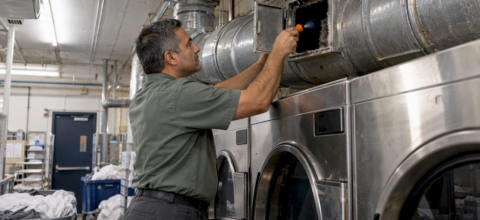
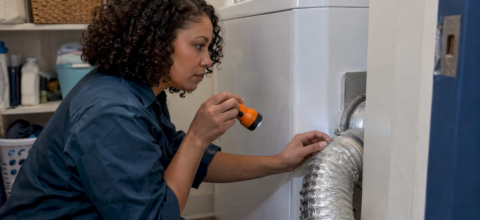
Finally, fireplaces are only part of indoor air safety. If you are already getting the chimney done, it is a good time to think about your dryer vent and air ducts too, since they are also cleaning and fire-prevention jobs that people put off.
— Victor
Choosing a chimney service
Whatever company you pick, check these:
- Credentials: the NYC qualifications the Buildings department points to, and a chimney-sweep certification.
- Inspection included: the visit should include a Level 1 inspection at minimum.
- Clear scope in writing: what is being cleaned, what is being inspected, and what happens if repairs are found.
- Photos or camera evidence for any recommended repair.
- Insurance and a straightforward estimate before work begins.
Book your chimney sweep with us
We sweep and inspect chimneys for homes and buildings in New York, New Jersey and Connecticut. If you want the work done before heating season, see our chimney cleaning service or our page for chimney sweep and repair in NY and NJ to request an appointment. If you would like to understand the safety case first, read top reasons to schedule chimney sweeps. Contact us through amazonairpro.com and we will explain the next step, with no pressure.
FAQ
When is the best month to get a chimney cleaned in NYC?
Spring through late summer is the best window, because demand is lower and any repairs can be finished before heating season. If that has passed, early fall is still acceptable, particularly if the chimney has not been checked recently. Do not wait until you have already lit the first fire.
How often should a fireplace chimney be cleaned?
Inspect it at least once a year, and clean it when the inspection shows it is needed. CSIA recommends sweeping a masonry fireplace at 1/8 inch of soot, or sooner if glaze is present. If you burn often, you may need cleaning more than once a year.
Is a chimney inspection required by law in New York City?
The city’s guidance tells owners to maintain heating equipment yearly with a qualified individual and to verify inspector qualifications. Your building may also have its own rules for fireplaces, so check with your board or managing agent. For building owners, our NYC chimney code guide covers field checks.
Do gas fireplaces need to be cleaned too?
They still need an annual inspection, because the venting can be blocked or damaged even though gas burns cleaner than wood. Cleaning is done if the inspection finds a reason for it. See why gas fireplaces need annual inspections.
What should I do if I have had a chimney fire?
Stop using the chimney. Let it cool, call a certified sweep to inspect it, and tell your insurer. Do not use it again until the inspection and any required repairs are done.
Sources
- Weatherizing Property, NYC Department of Buildings
- Best Time To Clean Chimneys, Forbes Home
- How and When To Clean Your Chimney, This Old House
- Homeowner Resources, Chimney Safety Institute of America
- Home Heating Fire Safety, New York State DHSES
- Wood-Burning Installation and Maintenance, US EPA
- Cleaning Stovepipes and Chimneys, MU Extension
- Chimney Safety Information, New York State Chimney Sweep Guild
- Level 1 Inspection of a Masonry Chimney, CSIA
Recommended
- Top Reasons to Schedule Chimney Sweeps for Homeowners
- 1/8 Inch Rule Means When to Clean Your Chimney in NY, NJ & CT
- How often do I need chimney sweeping services?
- Professional Chimney Sweep & Repair in NY & NJ | Book Today!