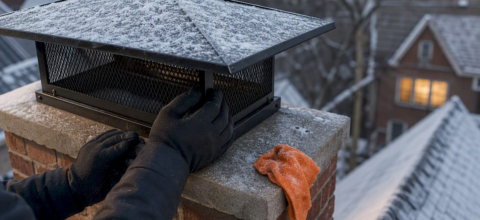
Dryer Vent Blockage: Spot Signs and Prevent Risks
TL;DR:
- Dryer vent blockages often occur deep in the duct, not just at the lint screen.
- Signs include longer drying times, weak airflow, and moisture or water behind the dryer.
- Regular professional cleaning is essential to prevent fire hazards and appliance damage.
Most homeowners clean their lint screen after every load and assume their dryer is safe. That habit is good, but it only addresses a fraction of the problem. Blocked dryer vents increase fire risk because lint accumulation and restricted airflow can lead to excessive heat buildup that can ignite lint, and that buildup happens far deeper in the duct system than any lint screen can reach. This guide walks you through what dryer vent blockage actually is, how to recognize it, what it costs you when ignored, and the practical steps that keep your home or property safe.
Table of Contents
- What is dryer vent blockage?
- Common causes of dryer vent blockage
- Warning signs your dryer vent is blocked
- How dryer vent blockages put your home at risk
- Maintenance and prevention: How to keep your dryer vent clear
- Why most dryer vent problems go unnoticed—and what managers should do differently
- Professional dryer vent cleaning: Take action for safety and peace of mind
- Frequently asked questions
Key Takeaways
| Point | Details |
|---|---|
| Hidden fire hazard | Dryer vent blockages create a serious fire risk—even in homes that clean their lint screens. |
| Warning signs matter | Longer dry times, moisture buildup, and weak outdoor airflow signal possible blockage. |
| Annual maintenance essential | Professional dryer vent cleaning at least once a year helps ensure safety and efficiency. |
| Deeper ducts need checks | Blockages often form in vent sections beyond the lint screen; regular checks are needed. |
What is dryer vent blockage?
With the risk established, let’s get clear on what exactly constitutes a dryer vent blockage.
A dryer vent blockage is when lint, debris, or other obstructions prevent the dryer from exhausting hot, moist air to the outdoors. The technical term for this is a restricted dryer exhaust, and it can range from a partial restriction that slows drying performance to a complete blockage that traps heat inside the machine.
The vent system runs from the back of your dryer through the wall or ceiling and exits outside your home. It can span anywhere from a few feet to over 20 feet depending on your home’s layout. Blockages can form at any point along that route. They are most common in the ductwork itself, not at the lint screen you clean daily.
Key fact: Cleaning your lint trap after every load is important, but it does not protect the duct behind the wall. Lint that passes through the screen collects inside the duct over time, narrowing the passage and reducing airflow with every load you run.
Here is a quick breakdown of where blockages typically occur and how serious each location tends to be:
| Blockage location | Common cause | Severity |
|---|---|---|
| Lint screen | Missed cleaning | Low, easy to fix |
| Duct near dryer | Lint accumulation | Moderate, requires cleaning |
| Mid-duct kink or crush | Poor installation | High, may need duct repair |
| Outdoor vent hood | Birds, rodents, debris | High, restricts full exhaust |
| Long or complex duct runs | Lint buildup over time | High, often missed for years |
Understanding where blockages form helps you know why a simple lint trap cleaning is not enough on its own.
Common causes of dryer vent blockage
Knowing the definition, it’s helpful to understand what actually creates these obstructions and why they’re so common.
Common causes of dryer vent blockage include lint buildup inside the duct, crushed or kinked vent runs from poor installation, and outdoor obstructions such as bird or rodent nesting and debris at the vent hood. Each of these causes has its own pattern and its own set of warning signs.
Here is a closer look at each one:
-
Lint accumulation in the duct. Every load of laundry releases fine fibers. Most get caught by the lint screen, but a percentage escapes into the duct. Over months and years, this builds up into a thick layer that narrows the airflow passage significantly. Homes that dry large loads frequently, such as families with young children or households that wash towels and bedding regularly, tend to accumulate lint faster than average.
-
Kinked or crushed ductwork. Flexible foil or plastic ducts are common in older homes and apartments. These materials can kink when the dryer is pushed too close to the wall, or they can collapse over time. A kinked duct creates a narrow point where lint collects rapidly, making blockages worse much faster than in a straight, rigid metal duct run.
-
Poor installation and long duct runs. Building codes recommend keeping dryer vent runs as short and straight as possible, with minimal elbows. Each elbow adds resistance equivalent to several feet of straight duct. A vent that makes three or four turns before reaching the exterior is far more prone to blockage than one that exits directly through a nearby wall.
-
Outdoor vent hood obstructions. The flap or louver on your exterior vent hood can collect leaves, insulation, or ice in winter. Birds often build nests inside vent hoods during spring, and rodents can pack them with nesting material as well. These blockages are easy to overlook because they are outside and often out of sight.
Pro Tip: Walk around the outside of your home and locate your dryer’s exterior vent hood. During a drying cycle, hold your hand near it. You should feel a strong, steady flow of warm air. If you feel little to nothing, that is a red flag worth investigating before your next load.
Knowing these causes also helps you understand the dryer vent fire hazard signs that often appear before a serious problem develops.
Warning signs your dryer vent is blocked
Understanding the causes lets you recognize the warning signals early. Here’s how to spot them.
Typical signs of a blocked or restricted dryer vent include longer dry times, steam or moisture staying inside the dryer, water pooling behind the dryer or on the floor, a lack of expected lint on the lint screen, and weak or no air movement from the vent outlet. These signs are reliable and observable without any special tools.
Here is a numbered list of the most important ones to watch for:
-
Clothes take more than one cycle to dry. This is usually the first sign homeowners notice. If a single load of towels or jeans that used to dry in 45 minutes now takes 70 to 90 minutes, restricted airflow is a likely cause.
-
The dryer feels hot to the touch after a cycle. When hot air cannot escape through the vent, it builds up inside the drum and cabinet. A dryer that is hot on the outside at the end of a cycle is working harder than it should.
-
Clothes are damp but the dryer is hot. This combination is a strong indicator. The machine is generating heat, but moisture cannot escape because the exhaust is blocked.
-
You notice little or no lint on the lint screen. This sounds counterintuitive, but it is a genuine warning sign. If lint cannot travel forward to the screen, it means the airflow pulling it there is too weak. The lint is staying in the duct instead.
-
Water appears near or behind the dryer. When moist air cannot exit through the vent, it condenses inside the duct and can drip back toward the machine. Puddles or water stains behind the dryer are a clear sign of restricted exhaust.
-
Weak or no airflow at the outdoor vent. As mentioned above, you should feel strong airflow at the exterior hood during operation. Anything less than that warrants a closer look.
Statistic to note: The U.S. Fire Administration reports that dryers are responsible for thousands of residential fires annually, with failure to clean the vent listed as the leading contributing factor. These are not rare events. They happen in ordinary homes where the vent simply was not maintained.
Pro Tip: Keep a simple log of your drying cycle times. If you notice a consistent upward trend over several months, that pattern is more reliable than any single observation and gives you concrete information to share with a technician.
Recognizing these warning signs of blockage early is the most practical way to avoid both safety hazards and costly repairs.
How dryer vent blockages put your home at risk
Once warning signs are spotted, understanding the dangers of a blocked vent is essential for making informed decisions.

Blocked dryer vents increase fire risk because lint accumulation and restricted airflow can lead to excessive heat buildup that can ignite lint. Lint is extremely flammable. It is essentially a compressed collection of dry fabric fibers, and it ignites at relatively low temperatures. When a vent is blocked, the heat that should be leaving your home stays inside the duct, raising temperatures to the point where ignition becomes a real possibility.
But fire is not the only risk. Here is a broader look at the consequences:
| Risk type | What happens | Impact level |
|---|---|---|
| Fire hazard | Lint ignites from heat buildup | Severe, potentially catastrophic |
| Moisture damage | Condensation damages walls, floors, and framing | Moderate to severe over time |
| Appliance wear | Dryer motor and heating element overheat | Moderate, shortens appliance life |
| Energy waste | Longer cycles increase electricity or gas use | Low to moderate, ongoing cost |
| Carbon monoxide risk | Gas dryers with blocked vents may back-draft | Severe, life-threatening |
The moisture risk is one that property managers in New York, New Jersey, and Connecticut need to take especially seriously. In older buildings with limited ventilation, condensation from a blocked dryer vent can seep into wall cavities and create conditions for mold growth. That is a repair and remediation problem that costs far more than a routine vent cleaning.
For gas dryers specifically, a blocked vent can cause combustion gases to back-draft into the living space rather than exhausting outside. This is a less common scenario, but it is serious enough that it should be on every property manager’s radar.
Scheduling dryer vent cleaning in NY and NJ is one of the most direct ways to eliminate these risks before they become emergencies.
Maintenance and prevention: How to keep your dryer vent clear
With the risks clear, here’s how to keep vents clear and your building safe year-round.

Dryer vent maintenance is recommended at least annually, with more frequent cleaning for higher usage or more complex and long vent routes. That annual recommendation applies to a typical household running a few loads per week. If you manage a multi-unit building or your dryer handles heavy loads daily, twice a year is a more appropriate interval.
Here is a practical maintenance checklist you can follow:
- Clean the lint screen before every load. This is the baseline. It does not prevent duct blockage, but it reduces the amount of lint entering the duct system.
- Inspect the exterior vent hood seasonally. Check for debris, nesting material, or ice blockage at least four times a year. Clear anything that restricts the flap from opening freely.
- Check for airflow during operation. Once a month, step outside during a drying cycle and confirm you feel strong airflow at the vent hood. This takes 30 seconds and can catch developing problems early.
- Note your drying times. If cycles are getting longer without a change in load size or fabric type, schedule a professional inspection.
- Replace flexible plastic or foil duct with rigid metal. If your duct run uses flexible material, consider upgrading to rigid aluminum duct. It is smoother inside, resists kinking, and accumulates lint more slowly.
Following a consistent dryer vent cleaning schedule is the single most effective preventive step you can take. For property managers, adding a brief vent check to your routine unit inspections between professional cleanings gives you an early warning system that most landlords simply do not have. Understanding the importance of professional cleaning also helps you make the case for budgeting this maintenance into your annual property expenses.
Pro Tip: If you manage multiple units, stagger your professional cleaning appointments across the year rather than scheduling them all at once. That way, if a technician identifies a systemic issue in one unit, you have time to address it before it appears in others.
Why most dryer vent problems go unnoticed—and what managers should do differently
Here is something worth sitting with for a moment. The vast majority of dryer vent problems are not discovered because of a dramatic failure. They are discovered during a routine cleaning, or not discovered at all until a fire or appliance breakdown forces the issue.
The reason is straightforward: most homeowners and property managers focus entirely on the lint trap. It is visible, easy to clean, and provides immediate feedback. The duct behind the wall is invisible, and its condition does not change in any obvious way from one day to the next. That invisibility creates a false sense of security.
We have seen this pattern consistently in our work across New York, New Jersey, and Connecticut. A homeowner will tell us they clean the lint screen every load and have never had a problem. Then we run an inspection and find a duct that is 60 to 70 percent restricted with compacted lint, sometimes with a bird nest packed into the exterior hood on top of that. The dryer was still functioning, just barely, and the homeowner had no idea.
The practical takeaway for property managers is this: do not wait for a tenant complaint. Tenant complaints about slow drying times are common, but they rarely get escalated as safety concerns. By the time a tenant reports the issue, the duct may already be in a dangerous state.
Build vent performance monitoring into your inspection process. Check cycle times when you visit units. Ask tenants directly whether drying has gotten slower. Look at the exterior vent hood yourself. These small steps, combined with a scheduled professional cleaning, give you a level of oversight that protects both your tenants and your property.
Following established dryer vent safety steps and understanding the real differences covered in DIY vs. pro cleaning insights will help you decide when a professional is truly necessary versus when a quick exterior check is enough.
Professional dryer vent cleaning: Take action for safety and peace of mind
If you have read this far, you already understand that dryer vent blockage is not a minor inconvenience. It is a genuine safety issue with real consequences for your home, your appliances, and the people living in your property.

At Amazon Air Duct Cleaning, our certified technicians serve homeowners and property managers across New York, New Jersey, and Connecticut with thorough, professional dryer vent cleaning in NY and NJ. We inspect the full duct run, not just the accessible sections, and we clear blockages that visual checks simply cannot catch. Our team has over 10 years of experience working with both residential and commercial clients, and we approach every job with the same standard: leave the vent clear, safe, and documented. If you are ready to take the guesswork out of dryer vent maintenance, our professional dryer vent cleaning service is a straightforward next step.
Frequently asked questions
What is the main cause of dryer vent blockage?
Lint buildup inside the duct is the leading cause, though crushed ductwork and outdoor obstructions like bird nests are also common contributors.
How do I quickly check if my dryer vent is blocked?
Go outside during a drying cycle and hold your hand near the exterior vent hood. Weak or no airflow at the vent outlet, or a flap that does not open, strongly suggests a blockage.
Will cleaning my lint screen prevent all blockages?
No. Blockages form deeper in the duct system over time, and the lint screen only captures what is in the drum, not what has already entered the ductwork.
How often should I clean my dryer vent?
Annual cleaning is recommended for most homes, with more frequent service if you run heavy loads regularly or have a long or complex vent route.
Is a blocked dryer vent really a fire hazard?
Yes. Lint accumulation and restricted airflow can cause excessive heat buildup that is capable of igniting lint, making blocked vents one of the more preventable causes of residential fires.
Recommended
- 5 Warning Signs Your Dryer Vent Is a Fire Hazard (And What to Do)
- Safety First: 5 Reasons to Get Your Dryer Vent Cleaned – Amazon Air Duct Cleaning
- Dryer vent safety procedure: 5 essential steps – Amazon Air Duct Cleaning
- Dryer Vent Cleaning in White Plains, NY | Vent Cleaners Near Me
- Dryer Vent Cleaning in Avondale, AZ
- Why remove dryer vent lint for safety and efficiency