Dust Buildup in Vents: Causes, Signs, and Solutions
TL;DR:
- Dust buildup in vents affects indoor air quality and HVAC efficiency regardless of allergy status.
- Regular cleaning and filter upgrades can prevent health issues and save energy costs.
- Proactive maintenance is more effective and economical than waiting for obvious problems.
Most people assume dusty vents are only a problem for allergy sufferers. That’s a misconception worth correcting early. Dust buildup in vents quietly affects heating and cooling efficiency, indoor comfort, and the air you breathe every day, whether or not you have known allergies. In homes and businesses across New York, New Jersey, and Connecticut, where older buildings and dense urban pollution create uniquely challenging conditions, this is especially true. This guide covers what dust buildup actually is, how to recognize it, what the research says, and what you can do about it before it becomes a costly or health-related problem.
Table of Contents
- What is dust buildup in vents?
- Why does dust buildup matter for indoor air quality?
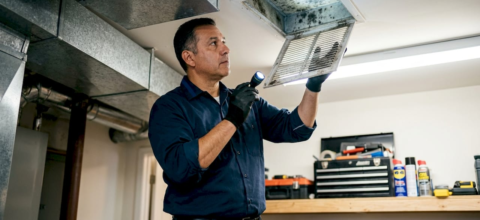
- Common signs of dust buildup in vent systems
- How to deal with dust buildup: Cleaning, maintenance, and prevention
- Our perspective: Why proactive vent care beats waiting for problems
- Tackle dust buildup with expert help
- Frequently asked questions
Key Takeaways
| Point | Details |
|---|---|
| Dust comes from many sources | Vent dust includes particles from outdoors, home activities, and city pollution. |
| Affects health and comfort | Buildup can worsen allergies and air quality, especially in urban properties. |
| Know the warning signs | Visible dust, odors, and poor airflow signal it’s time to check your vents. |
| Effective cleaning matters | Professional cleaning and high-MERV filters reduce contaminants and improve air. |
| Proactive care saves money | Staying ahead with routine checks and cleaning prevents hidden problems and costs. |
What is dust buildup in vents?
Now that you know why dust in vents deserves your attention, let’s break down exactly what it is and where it comes from.
Dust in ducts is not simply a layer of household grime. It is a mixture of fine particles that accumulate inside your HVAC ductwork over time. These particles include dust, lint, pollen, mold spores, pet dander, skin cells, insulation fibers, and urban particulate matter. Every time your HVAC system runs, it pulls air through the ducts, and anything riding along in that air has a chance of settling on interior duct surfaces.
Common sources of vent dust in NY, NJ, and CT properties include:
- Outdoor air infiltration: Urban areas bring in higher concentrations of fine particulates from vehicle exhaust, construction sites, and industrial activity.
- Daily living: Cooking, cleaning, and foot traffic continuously generate particles that circulate through your air system.
- Pets: Pet hair and dander accumulate rapidly, especially in smaller apartments and homes with limited ventilation.
- Building materials: Older buildings in this region often have aging ductwork that sheds insulation fibers and collects debris at joints and bends.
- Nearby construction or renovation: Even a neighboring renovation can push significant debris into your ventilation system.
The EPA indoor air quality research confirms that NY urban dust is higher due to pollution and aging ducts, making regional homes more vulnerable than suburban or rural properties elsewhere.
| Dust Source | Frequency in NY/NJ/CT Properties |
|---|---|
| Urban particulate matter | Very high (daily) |
| Pet dander | High (continuous in pet-owning homes) |
| Pollen and mold spores | Seasonal peaks, spring and fall |
| Construction debris | High in renovation-active urban areas |
| Lint and textile fibers | Moderate (year-round) |
| Insulation particles | Higher in pre-1980 buildings |
Buildup worsens with frequent HVAC use, which is unavoidable given the region’s hot summers and cold winters. Poor-fitting duct connections, infrequent filter changes, and older ductwork materials all accelerate accumulation. Left unaddressed, this buildup restricts airflow, strains the system’s motor, and creates a reservoir of contaminants that circulates through your indoor air every time your system kicks on.
Pro Tip: Check your vents after any nearby construction or interior renovation project. Rapid dust accumulation can occur within days under those conditions, and catching it early prevents the debris from spreading deeper into the duct system.
Why does dust buildup matter for indoor air quality?
With a clear understanding of what dust buildup is, let’s explore the real impact it can have on your indoor environment.
Dust sitting inside your ductwork is not inert. It acts as a carrier for allergens, bacteria, mold spores, and volatile organic compounds (VOCs), which are gases released from materials like paints or cleaning products. When the HVAC runs, these contaminants get pushed into the rooms where you live or work.
The health consequences of chronically poor indoor air quality can include:
- Allergy and asthma flare-ups, especially in children and elderly occupants
- Chronic cough, sore throat, or sinus congestion with no apparent cause
- Fatigue and difficulty concentrating, sometimes called sick building syndrome
- Increased frequency of respiratory infections
- Eye irritation and skin reactions
One often-overlooked consequence is HVAC inefficiency. Heavy dust buildup acts like insulation on coil surfaces and airflow pathways, forcing the system to work harder to maintain temperature. That translates directly to higher energy bills.
For properties in NY, NJ, and CT, the risk compounds because of cumulative pollution exposure and the age of many buildings. Removing dust from vents through professional cleaning addresses the problem at its source rather than just filtering what escapes into the room.
Filter quality plays a significant role here. MERV ratings for cleaner air refer to the Minimum Efficiency Reporting Value, a scale from 1 to 16 that measures how effectively a filter captures particles. IAQ improves with MERV13+ filters, which are capable of capturing fine dust, pollen, and even some bacteria that lower-rated filters miss.
“Post-cleaning reduces airborne contaminants, improving indoor air quality for occupants in both residential and commercial settings.”
This is not just a comfort issue. For businesses, poor air quality affects employee productivity and can raise liability concerns, particularly in healthcare or food-service environments where air standards matter more.
Common signs of dust buildup in vent systems
Knowing the effects dust can have, it’s essential to recognize when it’s present. Here’s how to spot trouble early.
Most homeowners and property managers don’t realize they have a dust buildup problem until it has already been building for months or years. Signs your air ducts need cleaning often show up gradually, and many people dismiss them as normal seasonal issues.

According to Direct Energy cleaning signs, key indicators include visible dust puffs at registers when airflow starts, musty odors when the HVAC runs, reduced airflow from vents, and increased allergy flare-ups. NADCA (National Air Duct Cleaners Association) uses gravimetric tests to verify debris levels during professional inspections.
Here is a numbered self-inspection checklist you can run through at home or work:
- Look at your vent registers. Is there visible gray or brown dust on the grilles?
- Turn on the HVAC and stand near a vent. Do you notice a puff of dust or particles entering the room?
- Walk through the space and check if surfaces need dusting more frequently than usual.
- Notice any musty or stale smell when the system first starts up?
- Are allergy symptoms worse indoors than outdoors, especially with windows closed?
- Check airflow by placing your hand near a vent. Does airflow feel weak compared to other rooms or past seasons?
Most homes show at least two of these signs before owners take action, which means the problem is usually further along than it appears. Dirty air duct indicators and what musty vent smells mean are worth understanding in detail before you decide whether you need a professional inspection.
| Common Sign | DIY Observation | NADCA Professional Test |
|---|---|---|
| Visible dust at registers | Visual inspection of grilles | Gravimetric debris weight analysis |
| Musty odors | Smell test during HVAC startup | Microbial culture sampling |
| Reduced airflow | Hand or tissue test near vent | Airflow measurement with equipment |
| Increased surface dust | Track dusting frequency | Particle count testing |
| Allergy symptom increase | Symptom diary comparison | Indoor air quality sampling |
In commercial buildings, signs can differ. Increased occupant complaints, more frequent sick days, and inconsistent temperature across zones are often the first red flags that duct contamination is affecting air distribution.
How to deal with dust buildup: Cleaning, maintenance, and prevention
Once signs are detected, prompt action is critical. Here are effective ways to tackle and prevent dust buildup.

Not every situation requires a professional service call right away. There are meaningful steps you can take on your own, and knowing when to stop and call for expert help will save you time and money.
DIY actions that make a real difference:
- Vacuum and wipe vent grilles monthly with a damp cloth to prevent surface buildup from entering the duct.
- Replace air filters on schedule, typically every 1 to 3 months depending on occupancy, pets, and filter type.
- Upgrade to a MERV13+ filter if you are in a densely populated urban area with higher particulate exposure.
- Seal visible gaps around duct connections in accessible areas like basements and attics.
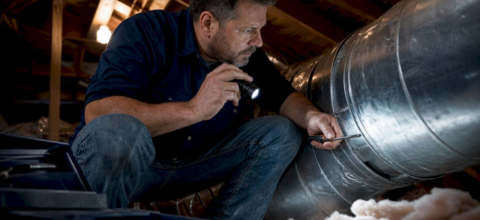
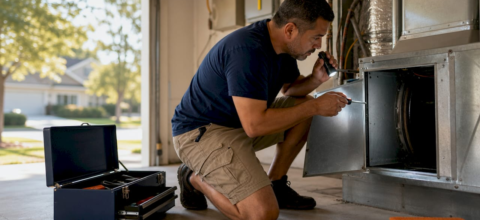
- Schedule an annual HVAC system inspection to catch early signs of moisture or debris accumulation.
When only professionals should intervene:
- Visible mold growth inside ducts or on air handling components
- Infestation signs such as droppings or nesting material in the ductwork
- Debris accumulation so significant that airflow is noticeably restricted
- Post-renovation cleanup where significant construction dust entered the system
- Systems that have never been cleaned in 4 or more years
NADCA cleaning guidelines specify source removal cleaning, meaning all debris must be physically removed to a visibly clean standard, not simply disturbed or blown around. The EPA indoor air quality guidance supports need-based cleaning rather than rigid time-based schedules, which means conditions in your home matter more than a calendar date.
For most NY, NJ, and CT properties, a duct cleaning checklist reviewed before scheduling service helps you understand what a legitimate cleaning involves and what questions to ask.
Knowing when to clean your air ducts is as important as knowing how. Rushing into a cleaning when it is not needed wastes money. Waiting too long allows problems to compound quietly.
Pro Tip: Write down the date of your last duct cleaning somewhere accessible, such as on the HVAC unit itself. Overdue systems rarely show obvious signs until the problem is well advanced, and a simple reminder can prevent years of gradual degradation.
Our perspective: Why proactive vent care beats waiting for problems
You now know how to manage dust buildup, but here is our experience on why staying ahead of the problem matters so much more than most people realize.
After more than 10 years of cleaning ducts in homes and commercial buildings across New York, New Jersey, and Connecticut, we have noticed a consistent pattern. Clients who wait for obvious symptoms almost always face larger cleanups, more contamination, and higher costs than clients who schedule inspections proactively. The math is straightforward, but the behavior is hard to change because dusty ducts rarely announce themselves loudly.
What we have also seen is that proactive vent care does more than protect health. Properties with well-maintained HVAC systems are easier to sell, receive fewer tenant complaints in rental situations, and have lower utility bills year over year. That is a real return on a modest investment.
“In our experience, prevention always costs less and delivers more comfort than emergency cleaning calls.”
We also believe the duct cleaning checklist approach puts you in control. When you know what a proper cleaning looks like, you can hold any service provider accountable and avoid the lowball offers that skip critical steps.
Tackle dust buildup with expert help
If you are ready to experience cleaner air with less hassle, here are the best ways to get started.
Understanding dust buildup is the first step. Acting on it is what actually improves your indoor environment. Whether you manage a single-family home in Connecticut or a commercial property in Manhattan, getting a professional assessment tells you exactly where things stand and what needs to be done.

Our team at Amazon Air Duct Cleaning has served residential and commercial clients across New York, New Jersey, and Connecticut for over 10 years. We offer air duct cleaning services built around NADCA standards, so you know the work is done right. Before booking, reviewing our complete cleaning checklist gives you a clear picture of what to expect. Reach out to schedule an inspection and get straightforward answers about what your system actually needs.
Frequently asked questions
How often should vents be cleaned in NY, NJ, or CT homes?
Vents should typically be cleaned every 2 to 4 years, but city homes or allergy-prone residents may benefit from annual checks given higher urban dust levels.
Can vent dust cause health issues?
Yes, dust buildup in vents can trigger allergies, asthma, and respiratory symptoms, especially in children, elderly residents, and anyone with pre-existing conditions.
Is it possible to clean vents yourself, or do you need a pro?
You can handle surface dusting and filter changes on your own, but deep cleaning requires professional equipment to meet the visibly clean standard that NADCA recommends.
What type of filter helps reduce dust in vents?
Filters rated MERV 13 or higher are most effective at capturing the fine dust and urban pollutants common in NY, NJ, and CT environments.
Recommended
- How to remove dust from vents for cleaner indoor air – Amazon Air Duct Cleaning
- Understanding Dust in Ducts: Improve Your Home’s Air Quality – Amazon Air Duct Cleaning
- Recognize Signs Your Ducts Need Cleaning for Healthier Air – Amazon Air Duct Cleaning
- 5 Signs Your Air Ducts Need Cleaning – Amazon Air Duct Cleaning
- Attic Ventilation Explained: Protecting Roofs and Preventing Ice Dams | Chicago Home Inspect LLC