How to remove dust from vents for cleaner indoor air
TL;DR:
- Dust builds up in vents from recirculated particles, affecting air quality and HVAC efficiency.
- Regular DIY cleaning includes removing vent covers and vacuuming surfaces, but professional help is needed for mold or pest issues.
- Routine maintenance, such as filter changes and timely cleaning, improves indoor air quality more effectively than infrequent duct cleaning.
You dust the shelves, vacuum the floors, and wipe down every surface — yet a fine layer of gray keeps settling back within days. If that sounds familiar, your air vents may be the hidden culprit. Dusty vents recirculate particles every time your HVAC system runs, quietly lowering your indoor air quality without any obvious warning. This guide walks you through why vent dust builds up, what tools you need, how to clean vents safely step by step, and when it makes sense to call a professional instead of handling it yourself.
Table of Contents
- Why dust collects in vents and why it matters
- What you’ll need: Tools and materials for vent dust removal
- Step-by-step instructions: How to remove dust from air vents safely
- How to know when to call a professional duct cleaner
- What most homeowners miss about vent dust removal
- Ready for fresher air? Trust the pros
- Frequently asked questions
Key Takeaways
| Point | Details |
|---|---|
| Regular cleaning matters | Vent dust removal every 3–6 months plus monthly filter changes protects air quality. |
| DIY only does so much | DIY cleans surface dust but deep cleaning and mold require professional help. |
| Watch for warning signs | Visible dust, odors, or pests from vents mean it’s time for expert cleaning. |
| Right tools improve results | Using the proper equipment and safe methods protects your system and your health. |
Why dust collects in vents and why it matters
Your home’s HVAC system (heating, ventilation, and air conditioning) pulls air from every room, filters it, conditions it, and pushes it back out through supply and return vents. Every cycle moves air, and air carries particles: skin cells, pet dander, pollen, fabric fibers, and plain old dirt. Over time, those particles settle on vent covers and inside duct openings, building up layer by layer.
The consequences go beyond aesthetics. Clogged vents restrict airflow, which forces your HVAC to work harder and use more energy. Residents with asthma or seasonal allergies often notice symptoms worsening when vents are dirty, because the system keeps reintroducing irritants into the breathing zone. Indoor air pollution risks are real and often underestimated, particularly in tightly sealed homes common across New York, New Jersey, and Connecticut winters.
Here are the most common signs that vent dust has become a problem in your home:
- Visible puffs of dust when the HVAC kicks on
- A musty or stale smell coming from vents
- Dust resettling on furniture within a day or two of cleaning
- Dark streaks or gray rings around vent covers
- Increased allergy or asthma flare-ups indoors
Changing your HVAC filter regularly makes a measurable difference. Homes with pets especially benefit from monthly filter changes, since pet hair and dander accelerate buildup dramatically. That said, it is worth knowing that routine duct cleaning isn’t proven to prevent health problems on its own. The EPA recommends cleaning only when you see excessive dust, visible mold, or signs of pests. Understanding how often to clean air ducts helps you avoid both neglect and unnecessary expense.
What you’ll need: Tools and materials for vent dust removal
Understanding the problem is step one — here’s what you’ll need before you start cleaning. Having the right tools on hand makes the job faster, safer, and more thorough. Improvising with whatever is nearby often means missing dust in the corners or damaging vent covers.
| Tool or material | Why you need it |
|---|---|
| Flathead or Phillips screwdriver | Removes vent cover screws safely |
| Vacuum with crevice and brush attachments | Pulls loose dust from vent openings and edges |
| Microfiber cloths | Traps fine particles without spreading them |
| Mild dish soap and warm water | Cleans vent covers without damaging the finish |
| Soft-bristle brush | Scrubs grime from cover slats and corners |
| Disposable gloves | Protects hands from dust and cleaning solutions |
| Flashlight or headlamp | Lets you see inside the duct opening clearly |
| Dust mask (N95 recommended) | Prevents inhaling dislodged particles |
A vacuum with crevice and brush attachments removes surface dust effectively, but it only reaches so far. The vent cover itself needs separate, thorough cleaning to avoid pushing grime back into the airstream. For a more detailed walkthrough on cover prep, this detailed air vent cover cleaning guide covers material-specific tips worth reviewing.

If your ductwork is older, made of flex duct, or shows signs of damage, basic tools are not enough. In those cases, professional duct cleaning equipment is designed to handle what consumer-grade vacuums simply cannot reach.
Pro Tip: Always shut off your HVAC system at the thermostat before you remove a single vent cover. Running the system while covers are off can pull loose debris deeper into the ducts, making the problem worse instead of better.
Step-by-step instructions: How to remove dust from air vents safely
Equipped with your tools and tips, follow these steps for effective and safe dust removal. The process is straightforward, but skipping steps, especially drying covers completely before reattaching, leads to moisture problems and mold risk.
- Shut off your HVAC system. Turn it off at the thermostat, not just at the vent. This prevents the system from blowing dust around while you work.
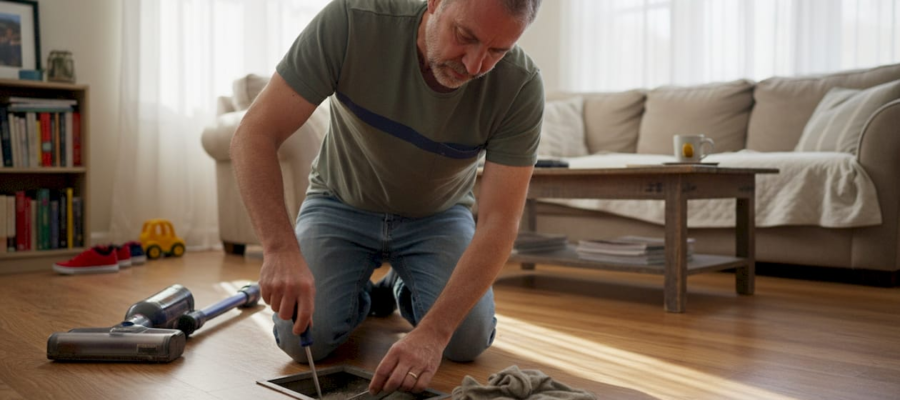
- Unscrew and remove vent covers. Use the appropriate screwdriver and set screws somewhere you will not lose them. Handle covers carefully; older ones can be brittle.
- Vacuum the vent opening. Use the crevice attachment to pull dust from the duct opening as far as the hose reaches. Switch to the brush attachment for the edges and corners.
- Wash the vent covers. Soak them in warm soapy water for a few minutes, then scrub with a soft-bristle brush. Rinse thoroughly.
- Dry covers completely. Lay them flat on a towel and let them air dry, or pat them dry with a clean cloth. Do not reattach wet covers.
- Reattach covers and restore power. Screw covers back in place, then turn your HVAC back on at the thermostat.
These DIY cleaning steps cover what a homeowner can realistically accomplish safely. For a more thorough walkthrough, including tips for different duct materials, review these detailed DIY vent cleaning steps and this in-depth HVAC duct cleaning tutorial.
Never reach deep into ductwork. DIY cleaning only targets surfaces. Pushing tools or your hands further in can damage duct lining, dislodge insulation, or disturb mold you did not know was there.
Pro Tip: Use a piece of painter’s tape to mark each vent location on a simple floor plan sketch as you go. It takes two minutes and ensures you do not accidentally skip a return vent tucked behind furniture.
Repeat this process every three to six months. If you have pets, live near a construction site, or anyone in your home has respiratory conditions, lean toward the three-month end of that range.
How to know when to call a professional duct cleaner
Even the best DIY methods have their limits. Here’s when expert help is not just smart — it’s essential.
| Factor | DIY cleaning | Professional cleaning |
|---|---|---|
| Tools used | Consumer vacuum, brushes | Industrial vacuums, rotary brushes, negative pressure systems |
| Areas reached | Vent covers, duct openings | Full duct length, air handler, coils |
| Time required | 1 to 3 hours | 3 to 5 hours or more |
| Cost | Low (tools you own) | $300 to $700 typical range |
| Mold or pest issues | Not equipped to handle | Trained to identify and address |
The EPA recommends duct cleaning only in specific situations: visible mold growth inside ducts or on components, evidence of rodents or insects, or ducts so clogged with dust that debris is visibly blowing into the room. If you are seeing any of those signs you need professional cleaning, DIY is not the right tool for the job.
When hiring a service, watch out for what the industry calls “blow-and-go” operators. These are companies that quote unusually low prices, spend under an hour on the job, and use a shop vacuum rather than professional-grade negative-pressure equipment. The result looks like a cleaning but accomplishes very little.
Before booking any professional duct cleaning services, ask these questions:
- Do you use negative-pressure vacuum equipment?
- Are your technicians NADCA (National Air Duct Cleaners Association) certified?
- Will you inspect the system before and after?
- Can you provide a written estimate with no hidden fees?
- Do you have verifiable reviews from customers in my area?
A reputable company will answer all of these without hesitation. One that deflects or rushes you is a red flag worth taking seriously.
What most homeowners miss about vent dust removal
Most people treat vent cleaning as a reaction: something goes wrong, or the vents look bad, and then they clean. The smarter approach is to treat it as routine maintenance, the same way you think about changing smoke detector batteries or servicing your furnace.
Here is what we have seen consistently over more than ten years of working with homeowners across New York, New Jersey, and Connecticut: the homes with the best indoor air quality are not the ones that had the most aggressive duct cleanings. They are the ones where residents changed filters on schedule, kept the area around vents clear, and addressed small issues before they became large ones.
The EPA is clear that over-cleaning ducts is wasteful and potentially counterproductive. Disturbing settled dust too frequently can temporarily worsen air quality. Following a full air quality checklist helps you prioritize the right actions at the right intervals rather than cleaning out of anxiety.
The real leverage is in reducing the amount of dust entering the system in the first place: high-quality filters, regular vacuuming near return vents, and keeping humidity in check. Vent cleaning matters, but it works best as part of a broader routine, not as a standalone fix.

Ready for fresher air? Trust the pros
Sometimes DIY gets you most of the way there, but not all the way. If you have cleaned your vents and still notice dust resettling quickly, musty odors, or worsening allergy symptoms, it may be time to bring in a professional.

At Amazon Air Duct Cleaning, we serve homeowners and property managers across New York, New Jersey, and Connecticut with honest, thorough air duct cleaning services built around your actual needs, not a sales script. Not sure if you need a full cleaning? Our team can help you figure out when you need cleaning based on your system’s condition. We use professional-grade equipment, certified technicians, and we will give you a straight answer about what your home actually needs.
Frequently asked questions
How often should I clean my air vents for the best air quality?
Clean vent covers and vacuum duct openings every three to six months, and change HVAC filters monthly, especially in homes with pets or allergy sufferers.
Can I safely clean inside the ducts myself or should I call a professional?
DIY methods only reach surface dust at the vent opening. Call a professional if you spot visible mold, pests, or dust blowing visibly from vents even after cleaning.
Will cleaning my vents reduce allergies and dust in my home?
Yes. Clean vents combined with regular filter changes reduce allergens indoors by limiting how often irritants are recirculated through your living spaces.
What are the risks of not cleaning dust from vents?
Neglected vents lower air quality, worsen allergy symptoms, and force your HVAC to work harder, which raises energy bills and shortens the system’s lifespan.
Recommended
- Don’t Skip Air Duct Cleaning After Renovation (Here’s Why)
- Understanding Dust in Ducts: Improve Your Home’s Air Quality – Amazon Air Duct Cleaning
- How Do I Know I Need To Have My Air Ducts Cleaned – Amazon Air Duct Cleaning
- How Can I Remove Pet Odors From My Ducts? – Amazon Air Duct Cleaning
- Air Filtration Process Explained for Cleaner Indoor Air – Coway Water Purifier