Contact Us


    (800) 482-8224

    How often should you change your furnace filter in the winter?

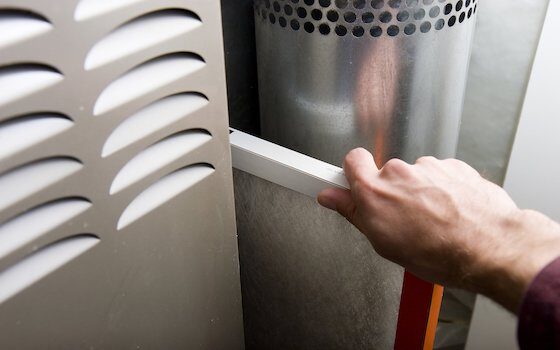
    The usage of an HVAC system depends on the owners under various circumstances. The area, indoor dust level, smoke, everything differs. The air filters of the unit also work according to these circumstances. The standard time in which you should consider changing your air filters is 60-90 days.

    For cleaner air, change, the furnace air filters at regular intervals without a miss. The particle deposition blocks the filter ultimately, which will hinder the air plus won’t trap the dust particles anymore. Breathing in the environment is not a good idea as it can lead to many severe respiratory issues. The furnace’s role is to generate warm air, but it will fail to deliver it. The continuous cycle of the furnace will take up more energy hence will reduce the furnace’s capacity.

    How would you know when to change air filters exactly? There are some signs that you can pay attention too when you think your furnace is working in full efficiency:

    If you notice more dust than usual, then you know where the issue can be.

    While inspecting, you notice a visibly dirty filter.

    The furnace is running continuously without a break. If you notice no automatic cut, then that load on the furnace might be because of air filter failure.

    If you smell something unusual around your furnace, this points towards the no proper functioning of the furnace filters.

    The various factors that depend on the owner to owner can help you understand how frequent you should replace the furnace filters:

    Pet: If you’re an animal lover, then you should replace your filters in every 30 days. The furry pet hair gets stuck in the air filters that decrease the performance of the furnace and life of filters. Also, cleaning pet fur from the filter on regular basis will be a good practice to breathe in the fresh air.

    Ventilation: If you love some fresh natural air and frequently open windows or doors for good ventilation then that might reduce the life of furnace filters. The air carrying dust particles will accumulate around your place. Get a higher quality of air filter and consider changing at least once in two months.

    Heater Fan: The heater fan working time is inversely proportional to the age of furnace filters. If you’re continuously using your furnace in maximum hours of the day then air filters should be replaced in 60-90 days.

    Dirty house: It is very important to keep your place clean for the long life of furnace filters. It is a mandatory step to keep filters clean and replace them every 90 days, breathe in healthy indoor air.

    Call 800-482-8224 to schedule an appointment with an Amazon Air Duct Cleaning Professional today!

    author avatar
    amazonairpro
    15 September, 2021
    2025 Refrigerant Phase-Out 20 November, 2025
    The 2025 Refrigerant Phase-Out: What the EPA’s New Rules Mean for Your Old AC Unit

    You may have heard that the government is banning the refrigerant in your air conditioner. Before you worry about what happens to my R-410A air conditioner in 2025, let’s clear something up. The EPA HVAC rules for 2025 apply to new equipment made after January 1, 2025. Your existing unit is fine. You can keep using it, and nobody is forcing you to replace

    #image_title
    New Jersey’s Top 5 Fall Allergens and How to Keep Them Out of Your Home’s Air

    Fall in New Jersey brings beautiful foliage and cooler weather, but it also means sneezing, itchy eyes, and congestion for many of us. Fall allergies can be tricky because we deal with everything from coastal ragweed to mold from damp leaves. If you know what’s triggering your symptoms, you can do something about it. You can’t control what’s happening outside, but you can make

    Paramus Split-Level Temperature
    Solving the Split-Level Problem: How Paramus Homeowners Can Finally Balance Their Home’s Temperature

    Is your upstairs bedroom unbearably hot while your downstairs family room feels like an icebox? If you live in a split-level home in Paramus, this probably sounds familiar. These temperature swings aren’t just uncomfortable, they’re built into how split-level homes work. But you don’t have to live with it. HVAC zoning technology fixes the temperature imbalance that’s frustrated homeowners for decades. Why Split-Levels Have

    Trenton historic home HVAC
    The Trenton Historic Homeowner’s Guide to Modern HVAC

    If you own a historic home in Trenton, you already know what makes these houses incredible. High ceilings, original woodwork, hand-finished plaster walls. These details don’t exist in modern construction. But when July hits or January rolls around, keeping comfortable gets tricky. You can add climate control without tearing apart what makes your house special. Most people think they have to choose between keeping

    Smart Thermostats
    Do Smart Thermostats Save Money? What to Know in 2025

    That old beige thermostat on your wall? It wasn’t much to look at, and it didn’t do much thinking either. Today’s smart thermostats promise energy savings, remote control, and learning algorithms that adapt to your life. But are they worth it for your home, or is this just another tech gadget solving a problem that doesn’t exist? For homeowners in New Jersey, New York,

    2025 Refrigerant Phase-Out
    The 2025 Refrigerant Phase-Out: What the EPA’s New Rules Mean for Your Old AC Unit

    You may have heard that the government is banning the refrigerant in your air conditioner. Before you worry about what happens to my R-410A air conditioner in 2025, let’s clear something up. The EPA HVAC rules for 2025 apply to new equipment made after January 1, 2025. Your existing unit is fine. You can keep using it, and nobody is forcing you to replace

    #image_title
    New Jersey’s Top 5 Fall Allergens and How to Keep Them Out of Your Home’s Air

    Fall in New Jersey brings beautiful foliage and cooler weather, but it also means sneezing, itchy eyes, and congestion for many of us. Fall allergies can be tricky because we deal with everything from coastal ragweed to mold from damp leaves. If you know what’s triggering your symptoms, you can do something about it. You can’t control what’s happening outside, but you can make

    Paramus Split-Level Temperature
    Solving the Split-Level Problem: How Paramus Homeowners Can Finally Balance Their Home’s Temperature

    Is your upstairs bedroom unbearably hot while your downstairs family room feels like an icebox? If you live in a split-level home in Paramus, this probably sounds familiar. These temperature swings aren’t just uncomfortable, they’re built into how split-level homes work. But you don’t have to live with it. HVAC zoning technology fixes the temperature imbalance that’s frustrated homeowners for decades. Why Split-Levels Have

    Trenton historic home HVAC
    The Trenton Historic Homeowner’s Guide to Modern HVAC

    If you own a historic home in Trenton, you already know what makes these houses incredible. High ceilings, original woodwork, hand-finished plaster walls. These details don’t exist in modern construction. But when July hits or January rolls around, keeping comfortable gets tricky. You can add climate control without tearing apart what makes your house special. Most people think they have to choose between keeping