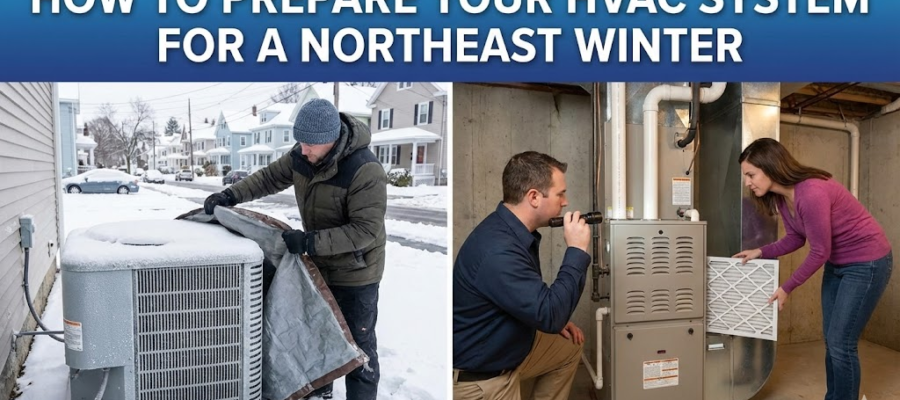
How to Prepare Your HVAC System for a Northeast Winter
If you’ve lived through a Northeast winter, you know the drill. Nor’easters dump two feet overnight. Temperatures stay below zero for weeks. And somehow, your furnace always picks the coldest night to quit. Getting ahead of it in the fall makes all the difference.
September and October give you a window to prepare your furnace for winter without the pressure. The weather’s still mild. You can run tests. If something breaks, you’ve got time to fix it before anyone’s shivering under blankets.
Getting Your System Checked Before Heating Season
Skip your fall HVAC maintenance and you’re gambling. Emergency repairs in January cost three times what a tune-up costs in October. A well-maintained system also burns less fuel, which matters when heating bills around New Jersey, New York, and Connecticut hit $300 or more each month.
Safety is the bigger issue. Carbon monoxide has no smell, no color, nothing to warn you until it’s too late. Cracked heat exchangers and ventilation problems cause leaks. Annual inspections find these before they become dangerous.
DIY Pre-Winter HVAC Tasks to Handle Now
| Task | How Often | Why It Matters |
| Replace air filter | Every 1 to 3 months | Blocks airflow when clogged |
| Test thermostat | Once before winter | Catches problems early |
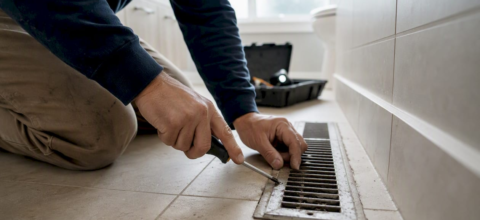
| Clear vents and registers | Monthly when heating | Prevents cold spots |
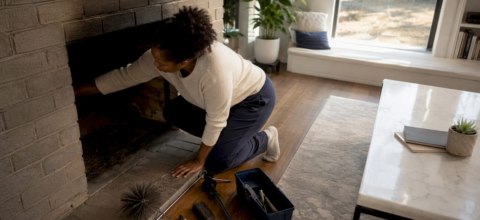
| Check furnace area | Seasonally | Removes fire hazards |
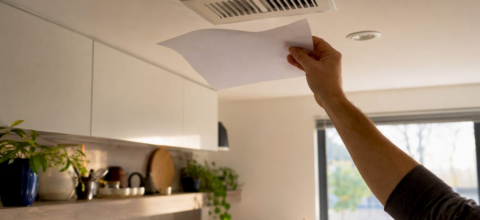
Start with the air filter. It’s cheap and makes a huge difference. If you’ve got pets or your house sits near a dirt road, check monthly. A dirty filter cuts efficiency by 15% and makes your blower work overtime. If you haven’t had your ducts cleaned in years, that compounds the problem.
Technical Checks You Can’t Do Yourself
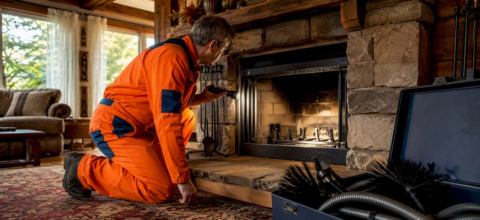
Some parts you can’t inspect yourself. Heat exchangers crack in ways you won’t see until a tech puts eyes on them. Burners collect residue that cuts efficiency. Your blower motor picks up dust and gunk that slows it down over time.
Technicians measure gas pressure and test electrical connections. They check safety controls to confirm everything shuts down if conditions get dangerous. These readings show whether your system runs like it should or if parts are wearing out. A blower that hasn’t been serviced often makes noise or pushes weak airflow.
Your System Type Matters for Maintenance
Gas Furnaces
Most newer homes in the region run on natural gas. It costs less than oil and heats evenly. Your flame should burn blue. Yellow or orange means incomplete combustion and wasted money. Check the ignition system and flame sensor each year to avoid breakdowns mid-winter.
Oil Heat
Older homes, especially in rural Connecticut and upstate New York, still burn oil. These systems need more attention. Nozzles clog. Filters dirty up faster. Soot builds in the combustion chamber. The tank itself can rust or leak. Order oil in November before prices spike in January.
Heat Pumps
Heat pumps work great until temperatures drop below freezing. Then they struggle. Most have backup heat for the coldest days. Test both stages to confirm they kick on when needed. Keep leaves and debris away from the outdoor unit so air flows freely.
Warning Signs Something’s Not Right
Listen to what your furnace tells you. Rattling means loose panels. Squealing points to belt trouble. Banging at startup signals delayed ignition, which is dangerous with gas systems. A burning smell that lasts more than a few minutes needs immediate attention.
Cold rooms point to duct problems. Leaky ducts dump heated air into attics or crawl spaces instead of your living room. Bills that jump for no clear reason mean your system is straining. Homes develop leaks from settling or pest damage, similar for what happens to larger commercial spaces.
Timing Your Fall Maintenance Right
Book for September or early October. By late October, every HVAC company gets slammed. You’ll wait longer and pay more. Early appointments give technicians time to order parts if they find problems.
Systems over 10 years old need checking twice yearly. Older equipment fails more often. Catching small issues before they cascade saves money. Keep records of repairs and replacements. That history tells you when replacement makes more sense than another repair.
A Little Work Now Saves a Lot Later
Winter HVAC prep in the Northeast isn’t optional if you want to stay warm. Change your filter. Test your thermostat. Clear your vents. Then get a heating system check before everyone else remembers theirs.
A small effort now beats sitting in the cold waiting for an emergency repair in January.