Contact Us


    (800) 482-8224

    How to Prevent Fall Allergies and Kill Dust Mites

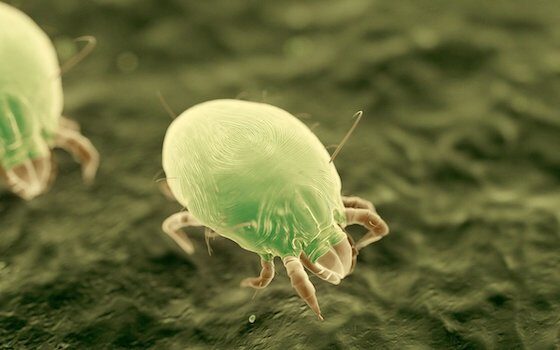
    Are you tormented by allergies? Do you associate your struggles with outdoor sources? If so, you could be ignoring the true culprit. Indoor allergens—specifically dust mites—are likely contributing to poor indoor air quality in your home causing troublesome illnesses such as runny noses, itchy eyes and even respiratory issues like bronchitis and asthma. So if you’re hiding out indoors when pollen and mold are high, you could actually be making your problems worse.

    The main sources of indoor allergens are:

    • Pets
    • Wall-to-wall carpet
    • Soft furniture
    • Stuffed toys
    • Bedding
    • Damp areas
    • Indoor plants
    • Mattresses that aren’t in allergy covers
    • Pillows and bedding you can’t wash in hot water
    • most challenging places to live with seasonal allergies

    According to the Asthma and Allergy Foundation of America recommends three ways you can improve indoor air quality including:

    • Control your contact with indoor airborne allergens
    • Ventilate your indoor areas well
    • Use air cleaners to clean indoor air

    A whole-home dehumidifier will control the humidity levels throughout your entire house, keeping you within the EPA’s suggested range of 30 to 50 percent. You can’t kill all dust mites in your house, but you can reduce them significantly, regardless of whether they’re in your mattress or carpet, or brought in by pets. The best part is that this solution doesn’t require the use of any chemicals—it’s all natural. A whole-home central humidifier works to achieve humidity within one percent of your desired level throughout your home, which creates a healthier living space by reducing dry sinuses, itchy skin and sore throats, while keeping wood surfaces from cracking or warping. It can even reduce instances of viruses and respiratory infections. Whole-home central dehumidifiers eliminate excess moisture, reduce dust mites and mold, and protect wood from damage. Another advantage is that they are less intrusive and easier to use than single room products.

    When it comes to dehumidifying your air, it’s also necessary to know what won’t work. When you raise the moisture content of the air in any given enclosed space above 40 percent, you’re inviting trouble because mold, fungi, bacteria and other microbes tend to thrive with elevated humidity. So when you think of humidity in your indoor space, be careful to do it right to avoid doing more harm than good.

    Ultraviolet Germicidal Lights are unique devices that safely give off the highest UV light intensity available, working to help reduce airborne biological contaminants like germs. They also help decrease concentrations of airborne bio aerosols by 50 percent in as little as 45 minutes. UV Germicidal Lights even help stop further accrual of germs in your home and inside your HVAC system.

    HEPA—or High Efficiency Particulate Air—filters are top-shelf air filters that remove 99.97% of air contaminants, like pollen and ragweed. HEPA filters are relied on in hospitals and science labs, where concerns about health and contamination are great.

    HEPA filters with carbon filtration help remove:

    • Tobacco smoke
    • Pollen
    • Allergens
    • Dust Mites
    • Odors and chemical vapors
    • Dirt particles

    Call 800-482-8224 to schedule an appointment with an Amazon Air Duct Cleaning Professional today!

    author avatar
    amazonairpro
    11 September, 2021
    2025 Refrigerant Phase-Out 20 November, 2025
    The 2025 Refrigerant Phase-Out: What the EPA’s New Rules Mean for Your Old AC Unit

    You may have heard that the government is banning the refrigerant in your air conditioner. Before you worry about what happens to my R-410A air conditioner in 2025, let’s clear something up. The EPA HVAC rules for 2025 apply to new equipment made after January 1, 2025. Your existing unit is fine. You can keep using it, and nobody is forcing you to replace

    #image_title
    New Jersey’s Top 5 Fall Allergens and How to Keep Them Out of Your Home’s Air

    Fall in New Jersey brings beautiful foliage and cooler weather, but it also means sneezing, itchy eyes, and congestion for many of us. Fall allergies can be tricky because we deal with everything from coastal ragweed to mold from damp leaves. If you know what’s triggering your symptoms, you can do something about it. You can’t control what’s happening outside, but you can make

    Paramus Split-Level Temperature
    Solving the Split-Level Problem: How Paramus Homeowners Can Finally Balance Their Home’s Temperature

    Is your upstairs bedroom unbearably hot while your downstairs family room feels like an icebox? If you live in a split-level home in Paramus, this probably sounds familiar. These temperature swings aren’t just uncomfortable, they’re built into how split-level homes work. But you don’t have to live with it. HVAC zoning technology fixes the temperature imbalance that’s frustrated homeowners for decades. Why Split-Levels Have

    Trenton historic home HVAC
    The Trenton Historic Homeowner’s Guide to Modern HVAC

    If you own a historic home in Trenton, you already know what makes these houses incredible. High ceilings, original woodwork, hand-finished plaster walls. These details don’t exist in modern construction. But when July hits or January rolls around, keeping comfortable gets tricky. You can add climate control without tearing apart what makes your house special. Most people think they have to choose between keeping

    Smart Thermostats
    Do Smart Thermostats Save Money? What to Know in 2025

    That old beige thermostat on your wall? It wasn’t much to look at, and it didn’t do much thinking either. Today’s smart thermostats promise energy savings, remote control, and learning algorithms that adapt to your life. But are they worth it for your home, or is this just another tech gadget solving a problem that doesn’t exist? For homeowners in New Jersey, New York,

    2025 Refrigerant Phase-Out
    The 2025 Refrigerant Phase-Out: What the EPA’s New Rules Mean for Your Old AC Unit

    You may have heard that the government is banning the refrigerant in your air conditioner. Before you worry about what happens to my R-410A air conditioner in 2025, let’s clear something up. The EPA HVAC rules for 2025 apply to new equipment made after January 1, 2025. Your existing unit is fine. You can keep using it, and nobody is forcing you to replace

    #image_title
    New Jersey’s Top 5 Fall Allergens and How to Keep Them Out of Your Home’s Air

    Fall in New Jersey brings beautiful foliage and cooler weather, but it also means sneezing, itchy eyes, and congestion for many of us. Fall allergies can be tricky because we deal with everything from coastal ragweed to mold from damp leaves. If you know what’s triggering your symptoms, you can do something about it. You can’t control what’s happening outside, but you can make

    Paramus Split-Level Temperature
    Solving the Split-Level Problem: How Paramus Homeowners Can Finally Balance Their Home’s Temperature

    Is your upstairs bedroom unbearably hot while your downstairs family room feels like an icebox? If you live in a split-level home in Paramus, this probably sounds familiar. These temperature swings aren’t just uncomfortable, they’re built into how split-level homes work. But you don’t have to live with it. HVAC zoning technology fixes the temperature imbalance that’s frustrated homeowners for decades. Why Split-Levels Have

    Trenton historic home HVAC
    The Trenton Historic Homeowner’s Guide to Modern HVAC

    If you own a historic home in Trenton, you already know what makes these houses incredible. High ceilings, original woodwork, hand-finished plaster walls. These details don’t exist in modern construction. But when July hits or January rolls around, keeping comfortable gets tricky. You can add climate control without tearing apart what makes your house special. Most people think they have to choose between keeping