Lease Turnover Vent Cleaning: A Property Manager’s Guide
TL;DR:
- Vet cleaning during lease turnovers is essential to prevent fire hazards, odors, and health issues from neglected vents. Property managers should inspect, document, and clean dryer, HVAC, and exhaust vents conditionally, following legal requirements and EPA guidance, to ensure safety and compliance. Systematic inspection, proper scheduling, professional service, and meticulous record-keeping reduce risks, avoid costly re-cleanings, and protect long-term investments.
Most property managers walk through a vacant unit and check the obvious things: scuffed walls, dirty grout, a stained carpet. Vents rarely make the list. That oversight is exactly where lease turnover vent cleaning gets treated as optional when it is anything but. Dirty dryer vents are a documented fire hazard. Neglected HVAC ducts carry odors, allergens, and in some cases mold spores straight to the next tenant on day one. This guide walks you through what to inspect, when to clean, how to document it, and how to avoid the mistakes that cost landlords time and money every turnover cycle.
Table of Contents
- Key Takeaways
- What to know before scheduling lease turnover vent cleaning
- Step-by-step process for effective vent cleaning at turnover
- Common mistakes that complicate turnover vent cleaning
- Verification and quality control after vent cleaning
- My perspective on vent cleaning in lease turnovers
- Professional vent cleaning services built for rental turnovers
- FAQ
Key Takeaways
| Point | Details |
|---|---|
| Clean based on condition, not schedule | EPA guidance recommends duct cleaning only when visible mold, debris, or vermin are confirmed, not on a fixed calendar. |
| Dryer vents have legal requirements | New Jersey fire code requires professional dryer vent cleaning at least annually, with stricter standards for heavy-use properties. |
| Sequence cleaning within turnover workflow | Integrate vent cleaning in Days 2 through 7 of a structured make-ready cycle to avoid delays and vendor conflicts. |
| Document every cleaning | Photo records and service receipts protect against deposit disputes and support legal compliance in NY, NJ, and CT. |
| Quality checks prevent re-cleans | A smell test at the unit door and a visual inspection of each vent after cleaning reduces tenant complaints significantly. |
What to know before scheduling lease turnover vent cleaning
Before you call anyone or add vent cleaning to your make-ready checklist, you need a clear picture of what you are actually dealing with. Rental properties typically contain three categories of vents that require different approaches.
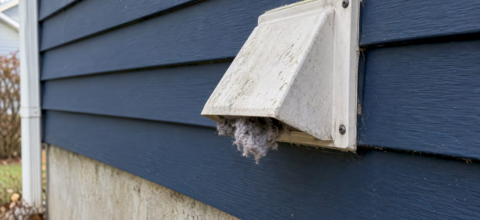
HVAC air ducts circulate conditioned air throughout the unit. They accumulate dust, pet dander, and debris over a tenancy but do not always require professional cleaning at every turnover. Dryer vents are a different matter entirely. They collect lint with every load, and blocked dryer vents cause thousands of fires annually in the U.S. Exhaust vents in bathrooms and kitchens pull out moisture and cooking grease. They clog gradually and are almost always overlooked during apartment turnover cleaning.
Here is what triggers a legitimate cleaning need for each type:
- Visible dust or debris accumulating around supply and return vent covers
- A musty or stale odor inside the unit that does not clear with surface cleaning
- Prior tenant had pets, smokers, or multiple occupants using the dryer frequently
- Any sign of moisture intrusion near ductwork, including staining or corrosion
- Dryer taking more than one cycle to dry a normal load (a classic sign of lint blockage)
- More than 12 months since the last documented dryer vent service
On the legal side, New Jersey fire code requires professional dryer vent cleaning at least annually for most residential properties. HOA and condo associations in NJ often require documented service every one to two years. New York and Connecticut landlords face similar liability exposure under general habitability and fire safety standards. This is not an area where “the last tenant seemed fine” holds up as a defense.
Pro Tip: Keep a simple log card for each unit that records the date, vendor, and vent type cleaned. Attach service receipts to the card. This takes five minutes per turnover and becomes invaluable if you ever face a deposit dispute or fire marshal inspection.
Timing also matters. Vent cleaning that happens after painting and before a final walkthrough tends to get skipped when vendors run late. Scheduling it during the first half of your make-ready window keeps it from falling through the cracks.
Step-by-step process for effective vent cleaning at turnover
A structured make-ready system treats turnover as a 14-day cycle, with vent cleaning and related trade work concentrated in Days 2 through 7. That sequence matters because it keeps duct work and surfaces clean before the final paint touch-up and deep clean happen. Here is how to run the process in practice.
-
Conduct an initial inspection before scheduling any vendor. Walk the unit and remove vent covers. Look inside with a flashlight. If you see lint, visible buildup, or smell anything unusual, that informs who you call. An objective inspection saves you from paying for services you do not need and from missing ones you do.
-
Assess the dryer vent from both ends. Check the exterior exhaust termination point for lint accumulation, bird nests, or crushed ductwork. Check the interior connection at the dryer for kinks or improper flex duct use. Lint accumulation raises energy use by 25 to 35 percent and creates genuine fire risk.
-
Hire a professional for dryer vents and any HVAC duct work that shows contamination. DIY dryer vent cleaning using a brush kit can compact lint deeper into long vent runs rather than removing it. Professional technicians use rotary brush systems and high-powered vacuums that extract debris completely. For HVAC ducts, EPA guidance is direct: clean only when you have confirmed visible mold, vermin evidence, or debris actively releasing particles into the airspace.
-
Follow a dry-first, wet-last cleaning order across the whole unit. Dust vent covers and return grilles before any wet cleaning happens. This prevents grime from spreading to freshly mopped surfaces and follows the standardized sequence that multi-family property managers use to reduce re-clean requests.
-
Verify cleaning with a visual check and airflow test. Hold a tissue near supply vents when the HVAC system runs. It should draw toward the vent without flutter. A weak draw suggests lingering blockage.
-
Document everything before the unit is released. Photograph vent covers before and after. Collect the service report from any professional vendor and attach it to your turnover file.
| Vent type | Recommended action | Suggested frequency |
|---|---|---|
| Dryer vent | Professional cleaning required | Every 6 to 12 months or at every turnover |
| HVAC air ducts | Clean only with confirmed contamination | Condition-based, per EPA guidance |
| Bathroom exhaust vents | Remove and wash covers, clear fan blades | Every turnover |
| Kitchen exhaust vents | Degrease covers, inspect for grease buildup | Every turnover |
Pro Tip: Bundle your vent cleaning vendor with other make-ready trades on the same scheduling call. Coordinating dryer vent cleaning alongside HVAC filter replacement and bathroom exhaust cleaning on the same day cuts your total vendor visit count and keeps the turnover timeline tight.

Common mistakes that complicate turnover vent cleaning
Avoiding the obvious errors is half the job. These are the patterns that trip up property managers most often during post-lease cleaning.
-
Relying on tenant reports to identify problems. Tenants rarely notice gradual vent degradation. A dryer that takes 90 minutes per load becomes their normal. You cannot rely on move-out feedback to flag vent issues. An inspection at every turnover is the only reliable approach.
-
Ordering HVAC duct cleaning on a fixed schedule without inspection. Cleaning ducts that do not need it wastes money and, done poorly, can increase indoor contaminants by disturbing settled particles. The EPA does not recommend routine preventive duct cleaning. Clean when the evidence calls for it.
-
Ignoring moisture as a root cause. If you find mold in ductwork, cleaning the ducts without fixing the moisture source is a short-term fix. Moisture issues must be corrected first, whether that means sealing a duct joint, repairing a bathroom exhaust that vents into an attic, or addressing a condensate drain problem. Otherwise mold returns within months.
-
Scheduling vent cleaning last in the turnover workflow. Many managers schedule it as an afterthought. Then the unit is ready to lease and the dryer vent is still unchecked. Integrating vent cleaning early in the make-ready cycle prevents this.
-
Using inappropriate equipment on dryer vent runs. Short brush kits sold at hardware stores work on vents up to four feet long. Most apartment dryer vent runs are eight to fifteen feet and include at least one elbow. Consumer tools push lint around rather than out.
“Skipping vent inspection at turnover is not a time saver. It is a deferred maintenance bill that arrives as a fire, an HVAC repair call, or a tenant complaint in the first 60 days of a new lease.”
Hard-to-reach vents in multi-story buildings or units with complex ductwork layouts present a real scheduling challenge. The practical solution is to work with a vent cleaning service experienced in multi-family properties. They know how to navigate long runs, roof-penetrating exhaust vents, and shared duct chases in ways that a general handyman does not.
Verification and quality control after vent cleaning
Cleaning is only complete when you can confirm it worked. A quick walkthrough is not enough. Here is what a solid quality control process looks like after move-out cleaning services include vent work.
- Conduct a smell test at the unit entrance. Open the front door and step away for 30 seconds. Then re-enter and take a deliberate breath. A neutral smell indicates a clean unit. Musty, smoky, or chemical odors signal an unresolved issue. A quality smell test done correctly reveals residual odor problems that surface cleaning cannot fix.
- Run the dryer for a short test cycle. Load it with a damp towel and run it for 20 minutes. Check the exterior vent cap for airflow. You should feel warm, moist air exhausting freely. No airflow means a blockage remains.
- Photograph each vent cover in its final state. These photos belong in the move-in file alongside the lease. If a new tenant later claims the unit was dirty on arrival, dated photos provide clear documentation.
- Confirm the service report includes all vent types addressed. A professional vendor should provide written documentation of what was cleaned, what equipment was used, and any conditions noted. Documentation of professional cleaning supports legal compliance and insurance requirements in jurisdictions with fire codes.
Integrating these records into your property management software creates a searchable maintenance history per unit. When a new tenant calls about HVAC performance in month two, you can pull up the turnover record in seconds and know exactly what was done, by whom, and when.
My perspective on vent cleaning in lease turnovers

I have seen property managers run lean, efficient turnovers for years without touching a single vent. Then a dryer fire, an HVAC complaint in week one, or a habitability complaint changes everything. The cost is never just the repair. It is the vacancy, the reputation, and sometimes the legal exposure.
What I have found working with multi-unit properties in New York and New Jersey is that the managers who systematize vent cleaning within their turnover workflow spend less time on it overall, not more. They are not making judgment calls every turnover. They inspect dryer vents at every vacancy, they clean when the evidence calls for it, and they document everything. That consistency is what protects them.
The one thing I push back on is the instinct to order full HVAC duct cleaning at every turnover as a default. It sounds thorough. But if there is no visible contamination, you are spending $300 to $500 per unit on a service that does not change air quality outcomes. The EPA is clear on this. Spend that budget on dryer vents and bathroom exhaust fans, where the risk and the need are more consistent.
The properties I have seen run the tightest turnovers treat vent cleaning as a non-negotiable inspection step and a conditional cleaning step. Inspect always. Clean when the evidence is there. Document both outcomes. That approach holds up in any jurisdiction and builds the kind of maintenance record that protects you over the long term.
— Victor
Professional vent cleaning services built for rental turnovers

If you manage properties across New York, New Jersey, or Connecticut, Amazonairpro offers air duct and vent cleaning services specifically suited to the pace and documentation requirements of rental turnovers. The team brings over 10 years of experience with both residential and multi-family properties, and service reports are provided in writing after every job.
For dryer vent work, Amazonairpro’s professional dryer vent cleaning service includes a full inspection, professional-grade extraction equipment, and same-day availability to fit within tight make-ready timelines. Every service includes the documentation your records require for fire code compliance and lease protection. Vacancy losses from a delayed turnover add up fast. Getting vents done right the first time keeps your timeline intact and your next tenant moving in on schedule.
FAQ
What vents need cleaning at every lease turnover?
Dryer vents and bathroom exhaust vents should be inspected at every turnover, with dryer vents professionally cleaned at least annually. HVAC air ducts should be cleaned only when there is visible mold, debris, or contamination present, per EPA guidance.
How do I know if HVAC ducts need cleaning at turnover?
Look for visible debris inside the duct, a persistent musty smell after surface cleaning, or evidence of prior moisture intrusion or vermin. The EPA does not recommend routine duct cleaning without one of these confirmed conditions.
Is dryer vent cleaning legally required for landlords in New Jersey?
Yes. New Jersey fire code requires professional dryer vent cleaning at least annually for most residential properties, and HOA or condo rules may require documented service every one to two years. Keeping service records protects you if compliance is ever questioned.
Where does vent cleaning fit in the turnover timeline?
In a structured 14-day make-ready system, vent cleaning fits best in Days 2 through 7, alongside other trade work, before final cleaning and paint touch-up. Scheduling it early prevents it from being skipped when the unit is close to ready.
How much does professional vent cleaning cost for rental units?
Professional turnover cleaning for a small rental unit typically runs between $200 and $450, and dryer vent cleaning is often a fraction of that cost. Extended vacancy on an $1,800 per month rental costs roughly $415 per week, making professional service a straightforward investment in keeping your timeline on track.
Recommended
- Clean vents, safe tenants: essential guide for property managers – Amazon Air Duct Cleaning
- Vent cleaning tips for agents to boost property value – Amazon Air Duct Cleaning
- Step-by-step guide to building a vent cleaning plan – Amazon Air Duct Cleaning
- Best vent cleaning schedules for properties: keep air safe – Amazon Air Duct Cleaning