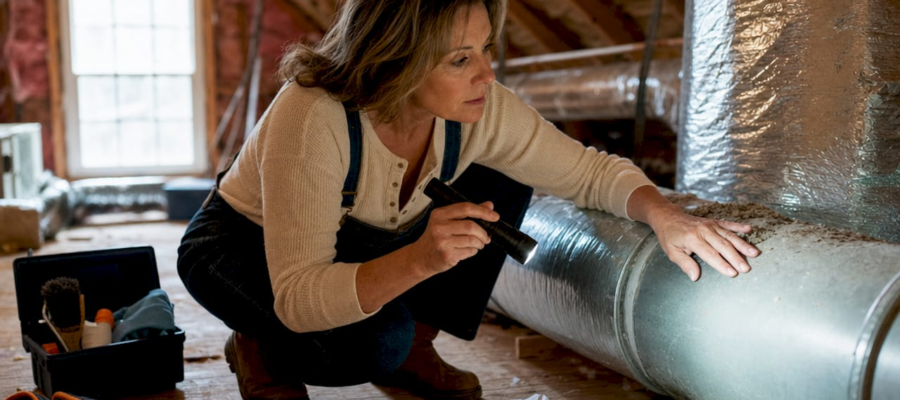
What Causes Duct Blockages: A Homeowner’s Guide
TL;DR:
- Duct blockages are caused by dust, debris, mold, pests, and poor ventilation, which impair airflow and indoor air quality. Regular maintenance, timely inspections, and professional deep cleaning help prevent severe blockages and system damage. Recognizing early symptoms like odors, uneven temperatures, and strange noises ensures effective intervention before costly repairs are needed.
Duct blockages are defined as obstructions inside HVAC air ducts that restrict or fully impede conditioned airflow throughout your home. The primary causes of duct blockages include accumulated dust and debris, pet dander, moisture-driven mold growth, pest infestations, and poor ventilation habits that compound over time. For homeowners and property managers in New York, New Jersey, and Connecticut, understanding these causes is the first step toward protecting both your HVAC system and the air your family breathes. Left unaddressed, blocked air ducts force your system to work harder, raise energy bills, and degrade indoor air quality in ways that are easy to miss until the damage is done.
What causes duct blockages in residential HVAC systems?

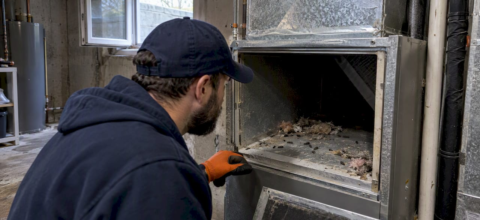
Dust, pet dander, construction debris, moisture, mold, and pests are the most common causes of duct blockages inside homes. Each of these materials enters or develops inside your ductwork through different pathways, and most homeowners are surprised to learn how quickly they accumulate.
Here is a breakdown of the main culprits:
- Dust and household debris. Every home generates fine particulate matter from skin cells, fabric fibers, and tracked-in dirt. Over months and years, this dust settles inside duct walls and builds into dense layers that narrow the airflow channel. Homes in urban areas like New York City or Newark face higher ambient particulate levels, which accelerates this process.
- Pet hair and dander. Homes with dogs or cats push significantly more biological material through the air supply. Pet dander is microscopic and sticky, meaning it bonds to duct walls and to other debris already present, forming dense clogs near registers and bends in the ductwork.
- Construction and renovation debris. Drywall dust, sawdust, and insulation fibers are among the most damaging materials that enter ducts. A single bathroom renovation without proper duct sealing can coat the interior of your entire duct system with fine particles that are nearly impossible to remove without professional equipment.
- Moisture and mold. When humidity levels inside ducts rise above roughly 60%, mold colonies can establish within days. Mold growth is not just a blockage problem. Dust accumulation and mold together cause respiratory irritation, allergies, and compounding contamination that spreads through the air supply.
- Pests. Rodents and insects enter ductwork through gaps, cracks, or damaged registers. Once inside, they build nests from insulation and debris, leave waste, and sometimes die inside the ducts. These blockages are among the most serious because they combine physical obstruction with biological contamination.
Pro Tip: After any home renovation in New York, New Jersey, or Connecticut, have your ducts inspected before running the HVAC system. Construction debris is one of the fastest ways to create a severe blockage that standard filter maintenance will not catch.
How do home design and ventilation habits contribute to blockages?
The physical layout of your home and the way you use your HVAC system are significant duct blockage contributing factors that most homeowners overlook entirely. These are not passive problems. They are habits and design flaws that actively create or worsen restrictions inside your ducts.
- Closing too many registers. Experts advise keeping closed registers under 20% of your total to prevent strain on HVAC systems. Closing more than that creates a pressure imbalance that forces air through narrower paths at higher velocity, which dislodges debris and deposits it in bends and joints. Many homeowners close registers in unused rooms thinking it saves energy. It does not. It stresses the system and can collapse flexible ductwork under the pressure imbalance.
- Furniture blocking vents. A couch or bookshelf placed over a floor register is one of the most common causes of localized pressure buildup. Blocked vents cause pressure buildup and uneven air distribution throughout the system, which forces debris to settle in areas where airflow slows.
- Crushed or disconnected ductwork. Flexible ducts in attics and crawl spaces are vulnerable to being crushed by stored items or pulled apart at joints. A partially collapsed duct section acts like a dam, catching debris on the upstream side and reducing airflow to the rooms it serves.
- Leaky duct connections. Leaks in ducts cause air to escape and allow debris intrusion, creating blockages while simultaneously reducing system efficiency. Gaps at joints pull in attic insulation, dust, and even outdoor particulates, adding to the internal buildup.
- Neglected filter changes. A clogged air filter does not just reduce airflow at the unit. It causes the entire system to operate under negative pressure, which draws debris from gaps and leaks throughout the duct network.
Pro Tip: Walk through your home and check every register. If any are covered by furniture or closed in more than one or two rooms, adjust them now. This single change reduces system strain and slows debris accumulation inside the ducts.
What are the symptoms of duct blockages you should not ignore?
Recognizing the symptoms of duct blockages early saves you from expensive HVAC repairs and prolonged exposure to poor indoor air quality. The signs are observable, but they are easy to attribute to the wrong cause.
- Inconsistent room temperatures. If one bedroom is noticeably warmer or cooler than the rest of the house, the cause is often an obstructed air path rather than a failing HVAC unit. Homeowners frequently mistake airflow blockage symptoms for equipment failure, which leads to unnecessary service calls. You can explore the specific reasons behind uneven room temperatures to narrow down whether ducts are the source.
- Unusual odors from vents. Musty or earthy odors near vents indicate mold or debris buildup, while ammonia-like or animal odors suggest pests inside the ducts. These smells are diagnostic. They tell you not just that a problem exists, but what kind of problem you are dealing with.
- Visible dust blowing from registers. If you see puffs of dust or debris when the system kicks on, the duct interior has accumulated enough material to become airborne. This is a direct indicator that blockage buildup has reached a level affecting air quality.
- Hissing or rattling sounds. Hissing near vents signals air escaping through gaps or leaks under pressure. Rattling often means loose debris, pest nesting material, or a disconnected duct section vibrating against the housing.
- Increased allergy or respiratory symptoms. When household members experience more frequent sneezing, coughing, or irritated eyes without an obvious cause, the duct system is a primary suspect. Dust accumulation inside ducts directly degrades the air circulating through your living spaces.
How to prevent duct blockages and keep your HVAC running well
Preventing duct blockages is a combination of regular maintenance habits and knowing when to call in professional help. The two approaches work together. Neither alone is sufficient for a well-maintained system.

| Action | Frequency | DIY or Professional |
|---|---|---|
| Replace HVAC air filter | Every 1 to 3 months | DIY |
| Vacuum registers and grilles | Monthly | DIY |
| Inspect and clear furniture from vents | As needed | DIY |
| Seal visible duct leaks with mastic sealant | Annually | DIY or Pro |
| Full professional duct inspection | Every 3 to 5 years | Professional |
| Deep duct cleaning with negative pressure equipment | Every 3 to 5 years | Professional only |
The distinction between DIY and professional cleaning matters more than most homeowners realize. Deep duct cleaning requires industrial-grade negative pressure equipment that cannot be replicated by standard household tools. A shop vacuum and a brush can clean the first few inches of a register opening. They cannot reach the interior bends, main trunk lines, or areas near the air handler where the heaviest debris accumulates. Professional systems use negative pressure vacuum equipment with specialized attachments that dislodge caked-on material and extract it without redistributing it through the home.
For homes in New York, New Jersey, and Connecticut, humidity management is an additional priority. Northeastern winters create condensation risks inside ducts when warm interior air meets cold duct surfaces in uninsulated attic or basement runs. Keeping indoor humidity between 40% and 50% with a whole-home humidistat reduces the moisture conditions that allow mold to establish inside ductwork.
Pest control is the other prevention layer that homeowners often handle reactively rather than proactively. Sealing exterior gaps around duct penetrations, checking crawl space access points, and scheduling annual pest inspections all reduce the chance of rodents or insects finding their way into the duct system before a blockage forms.
Pro Tip: Review the duct cleaning checklist to build a maintenance schedule that covers both routine tasks and the professional inspections your system needs to stay clear year-round.
Key takeaways
Duct blockages result from a combination of accumulated debris, moisture, pests, and ventilation habits that restrict airflow and degrade indoor air quality over time.
| Point | Details |
|---|---|
| Primary blockage causes | Dust, pet dander, mold, pests, and construction debris are the leading sources of duct obstruction. |
| Ventilation habits matter | Closing more than 20% of registers or blocking vents with furniture actively worsens blockage risk. |
| Symptoms are diagnostic | Odor type, temperature inconsistency, and noise patterns each point to a specific blockage cause. |
| Professional tools are required | Household vacuums cannot reach or remove deep duct deposits. Negative pressure systems are the standard. |
| Prevention is layered | Filter changes, register maintenance, humidity control, and periodic professional cleaning work together. |
What I have learned after years of seeing blocked ducts
The pattern I see most often with homeowners in New York, New Jersey, and Connecticut is not neglect. It is misplaced confidence. People change their filters, vacuum their registers, and assume the ducts themselves are fine. The filter is doing its job, so everything downstream must be clean. That logic sounds reasonable, but it does not hold up.
Filters catch what passes through them. They do not address debris that entered the system before the filter was installed, material that bypassed a leaky return, or the biological growth that starts in areas of the duct where condensation collects. I have seen homes where the registers looked spotless and the ducts behind them were coated in years of compacted material.
The other misconception worth addressing directly is the register-closing habit. Closing vents to save energy is one of those ideas that feels logical but causes real damage. Flexible ductwork in particular is not designed to handle the pressure imbalance that results. I have seen collapsed duct sections in attics that were caused entirely by this practice, and the homeowner had no idea the damage was happening.
The honest advice is this: treat your duct system the way you treat your roof or your plumbing. You do not wait for a visible failure before you inspect it. You schedule regular professional assessments, you pay attention to the early warning signs, and you do not assume that because the air is blowing, everything is fine. Understanding the signs of dirty air ducts before a blockage becomes severe is the difference between a cleaning appointment and a repair bill.
— Victor
How Amazonairpro can help you clear and prevent duct blockages
If you have noticed any of the symptoms described above, or if your ducts have not been professionally inspected in the last three to five years, a thorough cleaning is the most direct way to restore airflow and air quality in your home.

Amazonairpro provides professional air duct cleaning services for residential and commercial clients across New York, New Jersey, and Connecticut. The team uses industry-grade negative pressure equipment to remove accumulated dust, debris, mold, and pest-related blockages from the full duct system, not just the registers. With over 10 years of experience, Amazonairpro’s technicians also identify structural issues like leaky joints or crushed duct sections that contribute to recurring blockages. Schedule an inspection to get a clear picture of your system’s condition and a plan to keep it that way.
FAQ
What is the most common cause of duct blockages?
Dust and debris accumulation is the most common cause of duct blockages in residential homes. Pet dander, construction debris, and mold growth are close secondary causes that compound the problem over time.
How do I know if my air ducts are blocked?
The clearest signs include inconsistent room temperatures, musty or unusual odors from vents, visible dust blowing from registers, and increased allergy symptoms indoors. Rattling or hissing sounds from the duct system also indicate airflow restriction or structural issues.
Can closing vents in unused rooms cause duct blockages?
Closing vents in more than 20% of your registers creates pressure imbalances that stress the HVAC system and can collapse flexible ductwork, which worsens blockages. It also forces air through unintended gaps, pulling in additional debris.
How often should air ducts be professionally cleaned?
Most HVAC professionals recommend a full duct cleaning every three to five years for average households. Homes with pets, recent renovations, or occupants with respiratory conditions may benefit from more frequent inspections.
Can I clean my air ducts myself?
You can clean registers and the first few inches of duct openings with a vacuum and brush. Deep cleaning requires industrial-grade negative pressure equipment that is not available to most homeowners, making professional service the only way to fully address interior blockages.
Recommended
- Duct cleaning terminology explained: a homeowner’s guide – Amazon Air Duct Cleaning
- OSHA Air Duct Guidelines: Your Homeowner Compliance Guide – Amazon Air Duct Cleaning
- Understanding Dust in Ducts: Improve Your Home’s Air Quality – Amazon Air Duct Cleaning
- How to clean air ducts: step-by-step guide for healthier homes – Amazon Air Duct Cleaning