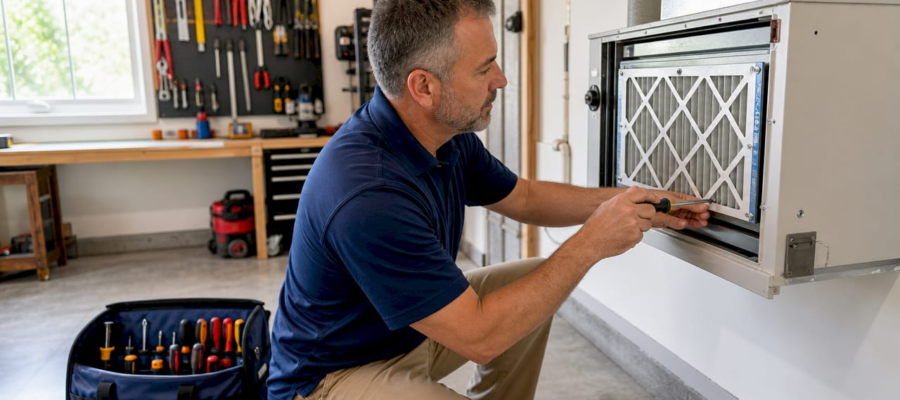
Proven Ways to Extend HVAC Life for Homeowners
TL;DR:
- Proper maintenance and smart operating practices can extend an HVAC system’s life to 15-20 years, saving money. Replacing air filters regularly, scheduling bi-annual professional tune-ups, and keeping airflow clear prevent strain and costly repairs. Consistent care and prompt attention to warning signs ensure longer system durability and efficiency.
Extending HVAC system life depends on consistent maintenance habits and smart operating practices that reduce wear before problems start. A well-maintained HVAC system can reach 15–20 years, while neglect cuts that down to about 10. That gap represents thousands of dollars in early replacement costs. The good news is that most of the ways to extend HVAC life are straightforward tasks any homeowner or building owner in New York, New Jersey, or Connecticut can manage with the right schedule.
1. Replace air filters on a consistent schedule
Air filter replacement is the single most impactful maintenance task you can perform. The U.S. Department of Energy recommends checking filters monthly and replacing them every 30–90 days depending on your conditions. That range matters because a home with two dogs and a dusty basement needs a new filter far sooner than a single-occupant apartment.
Clogged filters force the blower motor to work harder to pull air through. That extra strain raises operating temperatures, risks coil freezing, and accelerates motor wear. Replacing a $10–$20 filter is always cheaper than a $400–$600 blower motor repair.
- Replace every 30 days in homes with pets, smokers, or heavy dust
- Replace every 60 days in average single-family homes
- Replace every 90 days in lightly used vacation properties or offices
- Check the filter’s MERV rating: MERV 8–11 balances filtration and airflow well for most homes
- Never run the system without a filter installed, even temporarily
Pro Tip: Switch to a thicker 4-inch or 5-inch media filter instead of the standard 1-inch. Thicker filters hold more debris and typically last 6–12 months, reducing how often you need to change them.
2. Schedule professional tune-ups twice a year

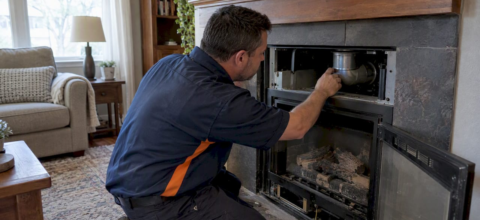
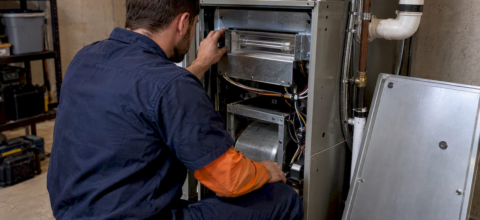
Bi-annual professional tune-ups are the backbone of any HVAC longevity plan. Experts recommend scheduling one in spring before cooling season and one in fall before heating season. Each visit catches wear and minor failures before they become expensive breakdowns.
A qualified technician performs several checks during a standard tune-up:
- Inspect and clean evaporator and condenser coils
- Check refrigerant levels and test for leaks
- Lubricate all moving parts including fan motors and bearings
- Test electrical connections and measure voltage and amperage
- Inspect the heat exchanger for cracks (critical for safety)
- Verify thermostat calibration and system cycling behavior
- Clear the condensate drain line
Each of these tasks addresses a specific failure point. A cracked heat exchanger, for example, can allow carbon monoxide to enter your living space. Catching it during a fall tune-up costs far less than an emergency call in january.
Pro Tip: Tie your tune-up reminders to daylight saving time. When clocks spring forward, book your cooling checkup. When clocks fall back, book your heating checkup. It takes the guesswork out of scheduling.
3. Keep airflow clear through ducts and vents
Airflow restrictions are one of the most common causes of HVAC strain and early component failure. When supply or return vents are blocked by furniture, rugs, or closed dampers, the system fights against itself. Pressure builds, airflow drops, and the compressor and blower work harder than they should.
Sealing duct leaks is equally important. Mastic sealant or UL-181 metal foil-backed tape are the correct materials for this job. Standard duct tape fails within months because it dries out and loses adhesion. Leaky ducts waste conditioned air inside walls and attics, forcing the system to run longer cycles to meet your thermostat setting.
- Keep all supply and return vents fully open, even in unused rooms
- Move furniture, drapes, and rugs at least 12 inches away from vents
- Wipe vent covers monthly to remove dust and pet hair buildup
- Inspect accessible ductwork once a year for visible gaps or disconnected joints
- Never close more than 10–15% of vents in a multi-zone home
Smart thermostats help prevent short-cycling, which is when the system turns on and off too frequently. Short-cycling stresses the compressor more than any other operating pattern. Setting a proper deadband (the temperature gap before the system kicks on) reduces that wear significantly.
Pro Tip: Set your thermostat to around 78°F in summer rather than pushing it to 68°F when you walk in from the heat. Extreme setpoints cause the system to run in long, hard cycles that wear components faster.
4. Maintain the outdoor condenser unit
The outdoor condenser unit handles heat rejection, and it does that job in direct exposure to weather, debris, and pests. Keeping at least two feet of clearance around the unit on all sides is the minimum standard. That clearance allows adequate airflow across the coils and prevents moisture from trapping against the cabinet.
Debris accumulation is a year-round issue in New York, New Jersey, and Connecticut. Cottonwood fluff in late spring, leaves in fall, and ice in winter all restrict airflow and trap moisture against metal surfaces. Moisture accelerates rust and corrosion, which shortens the unit’s life.
- Remove leaves, grass clippings, and debris from around the unit weekly during active seasons
- Gently rinse condenser coils with a garden hose once per year, spraying from the inside out
- Never use a pressure washer on coils; the fins bend easily and reduce efficiency
- Trim shrubs and plants to maintain the two-foot clearance rule year-round
- Avoid planting anything with aggressive root systems near the unit pad
- In winter, keep the unit clear of ice accumulation but do not cover it completely; covers trap moisture
A clean condenser coil transfers heat efficiently. A coil caked with cottonwood fluff or dirt forces the compressor to run hotter and longer, which is one of the fastest ways to shorten compressor life.
5. Flush condensate drains every three months
The condensate drain line removes moisture that your system pulls from indoor air during cooling. When that line clogs, water backs up into the drain pan and eventually overflows. Water damage to ceilings, walls, and the air handler itself follows quickly.
Algae buildup is the primary cause of condensate clogs. The drain line is dark, warm, and wet, which is exactly the environment algae needs to grow. A musty smell from your vents is often the first sign that algae has taken hold in the drain line or drain pan.
- Flush the condensate drain with distilled white vinegar every three months
- Pour about one cup of vinegar directly into the drain access port near the air handler
- Use distilled vinegar, not bleach; bleach degrades PVC pipe fittings and internal components over time
- Check the drain pan for standing water during each filter change
- If the pan has water in it, the drain is already partially blocked and needs immediate attention
Pro Tip: Add a condensate drain pan tablet (available at most hardware stores) after flushing with vinegar. These slow-dissolving tablets suppress algae growth between flushings and cost under $10 for a pack of 12.
6. Clean your air ducts periodically
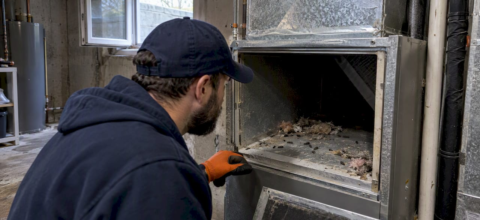
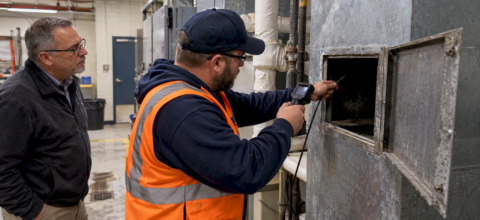
Duct cleaning is not a monthly task, but skipping it entirely for years allows dust, debris, and allergens to accumulate inside the ductwork. That buildup restricts airflow and forces the system to work harder on every cycle. It also circulates particles through your living or working space every time the system runs.
The HVAC lifespan benefits of duct cleaning come from reduced system strain and improved airflow efficiency. Clean ducts mean the blower motor moves air with less resistance. Less resistance means lower operating temperatures and less wear on every component downstream.
For homes and commercial buildings in New York, New Jersey, and Connecticut, duct cleaning is especially relevant after renovations, after pest activity, or when moving into a property with an unknown maintenance history. NADCA (the National Air Duct Cleaners Association) recommends professional cleaning every 3–5 years for most residential systems.
7. Monitor your system for early warning signs
Most HVAC failures start as small, unnoticed problems that escalate over time. Catching them early is the difference between a $150 service call and a $3,000 compressor replacement. You do not need to be a technician to notice the signs.
Watch for these warning signals between professional tune-ups:
- Unusual sounds: grinding, squealing, or banging indicate mechanical wear
- Uneven temperatures: rooms that are consistently too hot or too cold suggest airflow or refrigerant issues
- Higher utility bills without a change in usage patterns
- Frequent cycling: the system turning on and off more than usual
- Ice on the indoor coil or refrigerant lines
- Water around the air handler or drain pan
If you notice any of these, do not wait for your next scheduled tune-up. Call a technician promptly. A refrigerant leak caught early costs a fraction of what coil replacement costs after the system has run dry for weeks.
Key takeaways
Consistent, proactive maintenance is the most effective way to extend HVAC life, improve efficiency, and avoid costly early replacement.
| Point | Details |
|---|---|
| Filter replacement frequency | Replace filters every 30–90 days based on pets, dust, and occupancy levels. |
| Bi-annual professional tune-ups | Schedule in spring and fall to catch wear before peak season breakdowns occur. |
| Airflow and duct integrity | Seal leaks with mastic or UL-181 tape and keep all vents fully open and unblocked. |
| Condensate drain care | Flush with distilled vinegar every three months to prevent algae clogs and water damage. |
| Early warning response | Act on unusual sounds, ice buildup, or rising bills before small issues become major repairs. |
What 10 years of HVAC calls taught me about maintenance
After a decade of working alongside HVAC technicians and seeing what actually brings systems down, one pattern stands out clearly. Homeowners almost never lose a system to old age. They lose it to neglect that compounds quietly over years.
The filter that goes unchanged for six months. The condensate drain that nobody flushes. The outdoor unit buried in overgrown shrubs. None of these feel urgent in the moment. But each one adds mechanical stress that shortens the system’s life by months, then years.
The other thing I have noticed is that the DIY versus professional balance matters. Changing filters, flushing drains, and clearing debris around the outdoor unit are genuinely things you can handle yourself. But refrigerant checks, electrical testing, and coil cleaning require a licensed technician. Trying to handle those yourself creates more risk than it saves in cost.
The homeowners and building managers I have seen get the most life out of their systems are not doing anything complicated. They follow a seasonal HVAC maintenance checklist and call a pro twice a year. That is genuinely it. The system rewards consistency more than any single repair or upgrade.
— Victor
How Amazonairpro helps you protect your HVAC investment
Dirty air ducts quietly work against every maintenance habit you build. Dust, debris, and allergens inside your ductwork restrict airflow and force your system to run harder on every cycle.

Amazonairpro provides professional air duct cleaning services for residential and commercial clients across New York, New Jersey, and Connecticut. With over 10 years of experience, the Amazonairpro team removes the buildup that filters and tune-ups cannot reach. Clean ducts mean better airflow, lower operating strain, and a longer-lasting system. If you are not sure whether your ducts need attention, Amazonairpro’s duct cleaning guide walks you through the signs to look for.
FAQ
How long does a well-maintained HVAC system last?
A well-maintained HVAC system typically lasts 15–20 years. Neglected systems often fail around the 10-year mark, costing homeowners thousands in early replacement.
How often should I replace my HVAC air filter?
Replace your air filter every 30–90 days. Homes with pets or heavy dust need changes closer to every 30 days; lightly used spaces can go up to 90 days.
What is the best way to clean a condensate drain line?
Flush the condensate drain with one cup of distilled white vinegar every three months. Avoid bleach, which degrades PVC fittings and internal components over time.
Do I need professional HVAC tune-ups every year?
Two professional tune-ups per year are the recommended standard: one in spring for cooling season and one in fall for heating season. Each visit catches wear and prevents peak-season breakdowns.
Can closed vents damage my HVAC system?
Yes. Blocked or closed vents create airflow imbalances that strain the blower motor and compressor. Keep all supply and return vents open and unobstructed to maintain proper system pressure.
Recommended
- HVAC Maintenance Guide: Boost Air Quality & Efficiency – Amazon Air Duct Cleaning
- First-Time Homeowner? Your Year-One HVAC Checklist
- Improved HVAC Habits to Help Protect Your Home – Amazon Air Duct Cleaning
- Air Duct Cleaning Newton I Call +1 (800) 482-8224