The Ultimate Homeowner’s HVAC Maintenance Checklist: A Seasonal Guide
Your home’s heating and cooling system needs regular attention to avoid costly repairs and keep running efficiently. Taking care of it throughout the year protects your investment and keeps your family comfortable. This guide breaks down what you need to do and when, so you can maintain your HVAC system year-round.
The tri-state region gets humid New Jersey summers and freezing Westchester winters. Your system handles these extremes constantly, which makes regular maintenance critical.
Monthly HVAC Maintenance Task You Can’t Skip
Check your air filter every month. This simple task prevents most system problems and takes five minutes. A clogged filter makes your equipment work harder, increases energy bills, and can lead to breakdowns.
Replace your filter every one to three months depending on your home. If you have pets, allergies, or notice dust buildup, change it more often. Hold the filter up to a light. Can’t see through it? Time for a new one.
DIY Spring Checklist for Your Cooling System
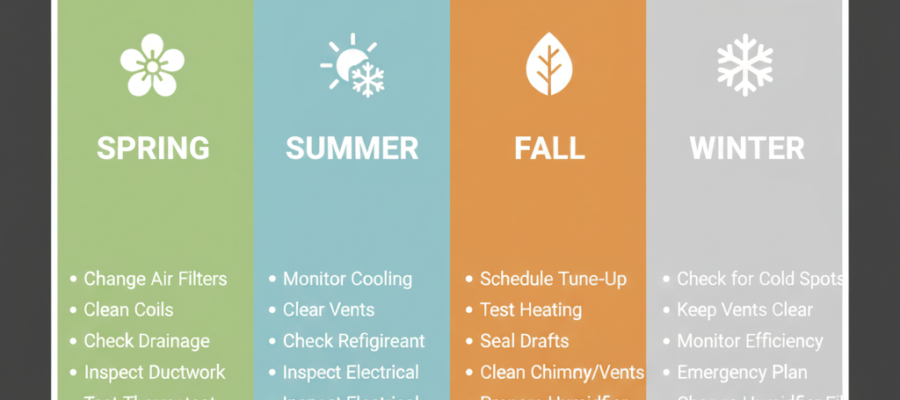
After winter weather across Connecticut and New York, your outdoor unit needs attention before summer heat arrives. Here’s your spring AC maintenance checklist DIY.
After winter weather across Connecticut and New York, your outdoor unit needs attention before summer heat arrives. Here’s what you can tackle yourself.
Clean Around Your Outdoor Unit
Remove leaves, branches, and debris that piled up during winter. Trim shrubs back at least two feet from the unit on all sides. Better airflow helps efficiency. Turn off the power at the disconnect box, then rinse the coils with a garden hose to wash away dirt and pollen.
Check the Drain Line
Your AC pulls moisture from the air, and that water drains away through a small pipe. When this line clogs, you get water damage and mold. Find the drain pan under your indoor unit and look for standing water or slime. Clear the opening with a straightened paper clip, then pour a mix of water and white vinegar through to prevent algae.
Schedule a Professional Tune-Up
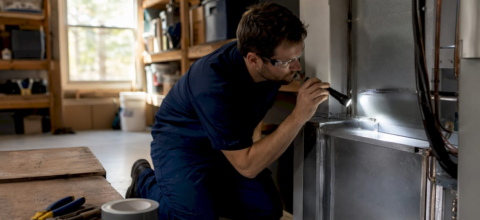
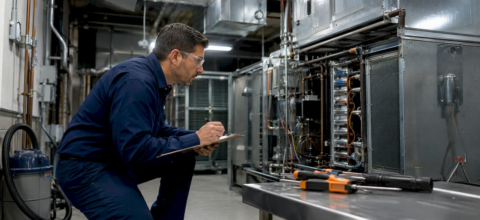
Some work needs a trained technician. They’ll check refrigerant levels, tighten electrical connections, and get your system running at full capacity. Low refrigerant means you have a leak. Loose wiring can cause fires. These aren’t tasks you should handle yourself.
Summer HVAC Tips for Peak Performance
Your system runs nonstop during July and August. Watch for problems and make small adjustments to help efficiency.
Keep checking that filter monthly since constant use clogs it faster. A programmable thermostat helps too. Set it to 78 degrees when you’re home and higher when you’re out. Seal gaps around windows and doors. Keep furniture away from vents so air flows freely.
When to Call for Help
Listen to your system. Grinding, squealing, or banging sounds mean something’s wrong. Burning smells or musty odors need immediate attention. Rooms staying warm even though the AC runs constantly? You might have a refrigerant leak or compressor issue. Call a technician when you notice these signs.
Fall Furnace Prep Before Cold Weather
When temperatures drop across the tri-state area, it’s time to focus on heating. Here’s how to get ready for cold weather.
Put In a Fresh Filter
Install a clean filter before you turn on your furnace for the first time. This helps efficiency and keeps your indoor air clean all season.
Test Your Heat Early
Don’t wait for the first cold snap to find out your furnace doesn’t work. Turn up your thermostat in early October and listen for the system to start. Let it run 15 minutes to make sure everything works. This gives you time to fix problems before HVAC companies get slammed with holiday calls.
Focus on Safety
Replace carbon monoxide detector batteries every fall. Keep boxes, decorations, and other items at least 30 inches away from your furnace. These steps can save lives.
Get a Professional Inspection
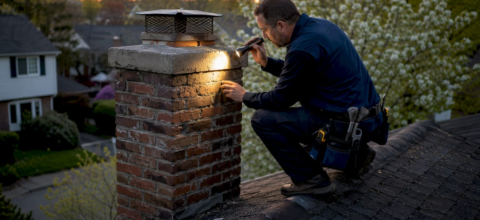
Fall service is your most important appointment of the year. A cracked heat exchanger leaks carbon monoxide into your home with no warning, and only a technician can inspect this safely. They’ll also check gas pressure, look for leaks, inspect the burner, and examine vents to make sure dangerous gases exit your home correctly. This covers safety issues you can’t check yourself.
Keeping Your System Running Through Winter
Winter in Connecticut, New York, and New Jersey pushes your system hard. Stay alert for issues.
Check outdoor vents and exhaust pipes weekly when it snows. Ice and snow block these openings and create backdraft problems. Listen for strange noises from your furnace or boiler. Look around your boiler for water leaks. Spot one? Shut off the water and power right away, then call for help.
Think About Insulation
Cold rooms, drafts, or high heating bills often mean insulation problems rather than equipment issues. Good insulation works with your heating system to keep your home comfortable and costs down.
Stay On Top of HVAC Maintenance Year-Round
Seasonal approach protects your equipment, prevents common problems, and keeps your family comfortable. Monthly filter changes plus seasonal tasks you can do yourself, combined with professional tune-ups twice a year, give you the best results.
You can handle basics like filter changes, clearing debris, and watching for issues. Technicians take care of complex work that needs training and the right tools. Combining both keeps your system running well.
Following this HVAC maintenance checklist helps you catch small problems early. Your system runs better, lasts longer, and handles whatever weather the tri-state region throws at it. When you need air duct cleaning, chimney service, or seasonal tune-ups, having a plan makes all the difference.