Ways to Identify Dust Build-Up in Your Home
TL;DR:
- Regular visual inspections and surface pattern observations reveal dust accumulation in ducts and on furniture. Portable dust monitors provide real-time data to identify invisible particle spikes and assess indoor air quality. Building a twice-yearly inspection routine helps detect problems early and prevents health issues and HVAC system damage.
Dust build-up is defined as the progressive accumulation of airborne particles, including skin cells, pet dander, pollen, and textile fibers, on surfaces and inside HVAC systems throughout your home. For homeowners and renters in New York, New Jersey, and Connecticut, knowing the ways to identify dust build-up is the first step toward protecting your indoor air quality. The EPA recognizes indoor air pollution as a serious health concern, and your air ducts are often the primary vehicle for spreading dust throughout every room. Left unchecked, that accumulation drives allergy flare-ups, reduced HVAC efficiency, and poor air quality year-round.
1. Ways to identify dust build-up through visual duct inspection
A 30-minute visual inspection of your HVAC filters, return vents, and supply registers reliably assesses the dust condition of your system. That time investment is small compared to the health and efficiency problems that go undetected without it.
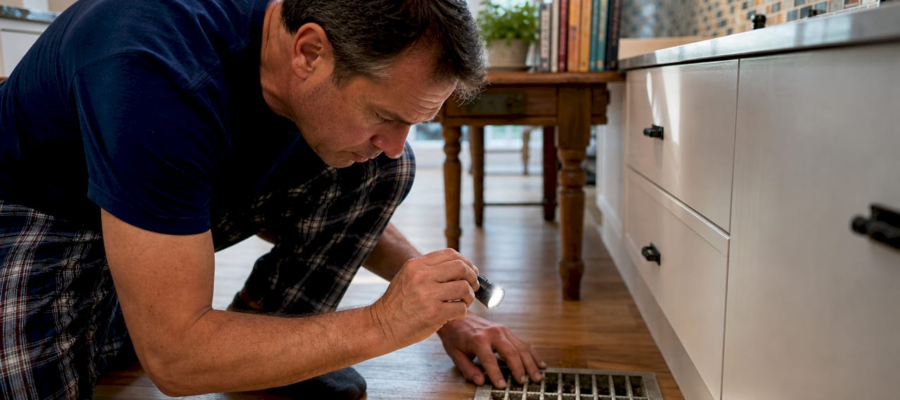
Start by removing a vent cover and shining a flashlight inside the duct opening. You are looking for specific warning signs, not just a thin film of surface dust:
- Thick dust mats packed against the duct walls or register grilles
- Hair and lint clumps that have bonded with grease or moisture
- Dark staining along duct seams, which can indicate mold or long-term moisture exposure
- Fuzzy gray buildup on the blades of supply registers
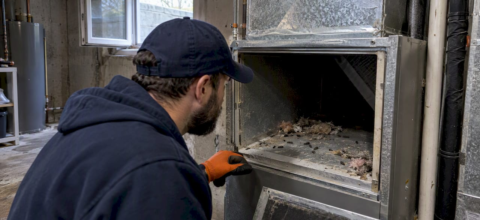
Distinguishing light surface dust from heavy interior buildup is vital to avoid unnecessary cleaning. A thin layer of dust on the register face is normal. Thick debris packed several inches inside the duct wall is a red flag.
The finger swipe test is one of the most reliable low-tech methods available. Run a clean finger along the inside edge of the duct opening. A light gray smudge is typical. A thick, dark coating that transfers heavily onto your finger signals a problem worth addressing.

Pro Tip: Check supply registers at 2–3 locations farthest from your blower unit. Those registers accumulate more debris and give you a more accurate picture of your overall duct condition than registers close to the air handler.
2. How to detect dust buildup through photographic documentation
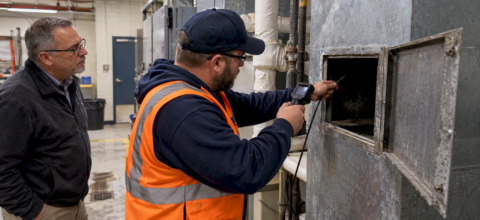
Photographing dust build-up inside ducts during inspection provides objective evidence for professionals. Photos help cleaning companies prepare and confirm severity before work begins. That means fewer surprises on service day and more accurate quotes.
Use your phone’s flashlight and camera together. Take a photo straight into the duct opening before and after any cleaning. These images become your baseline record. When you schedule a follow-up inspection six months later, you can compare directly and see whether conditions have improved or worsened.
Detailed notes alongside photos make the record even more useful. Write down the date, which register you inspected, and what you observed. This practice turns a one-time check into a real maintenance log.
3. Surface signs that indicate rapid dust accumulation
Dust reappearing on furniture within 24–48 hours after cleaning indicates the duct system may be the source. That rapid reaccumulation is one of the clearest dust build-up indicators a homeowner can observe without any special equipment.
Certain surfaces reveal dust accumulation faster than others:
- Dark wood furniture and black electronics show gray films within hours
- Bookshelves and ceiling fan blades collect dust quickly due to airflow patterns
- Window sills near supply vents gather particles blown directly from ducts
- TV screens and monitor surfaces attract fine particles through static charge
Airflow from your HVAC system carries particles from inside the ducts and deposits them on whatever surface is in the path of the airstream. If you are cleaning the same shelf every two days and it keeps coming back dusty, the problem is not your cleaning routine. The problem is likely inside your ducts.
Pro Tip: Run your HVAC system for 15 minutes, then check the surfaces nearest to supply vents. If those surfaces are noticeably dustier than surfaces farther away, your ducts are actively redistributing particles through your living space.
4. Recognizing dust ghosting near vents and walls
Dust ghosting refers to gray streaks radiating from vents on walls or ceilings, and it indicates air and dust escaping from ducts under pressure. This visual cue often signals duct leaks or high static pressure rather than just surface dust.
Ghosting looks like a soft gray shadow spreading outward from a vent cover. It is easy to mistake for a paint discoloration or a shadow. The difference is that ghosting follows the exact airflow pattern from the register, spreading in the direction the air blows.
You can check for ghosting by holding a white paper towel near a running supply vent. If the towel picks up gray or brown discoloration within a few minutes, particulate is escaping the duct system at that point. That is a sign worth flagging for a professional evaluation. Learn more about signs of dirty air ducts to understand what these patterns mean for your system.
5. Using technology to measure dust levels you cannot see
Portable laser-scattering instruments detect fine particles down to 0.3 micrometers for real-time dust monitoring. That matters because PM2.5 particles, those smaller than 2.5 micrometers, are the ones that penetrate deepest into the lungs and cause the most health damage.
These monitors give you a number, not just a visual impression. That number tells you whether your air quality is within a safe range or whether invisible dust is building up to levels that affect health. Here is how the main monitoring approaches compare:
| Detection method | What it measures | Best use case |
|---|---|---|
| Laser-scattering monitor | PM2.5 and finer particles in real time | Identifying invisible dust spikes |
| HVAC filter inspection | Visible particle load on filter media | Gauging overall system dust load |
| Finger swipe test | Surface dust inside duct openings | Quick check of duct interior condition |
| Air quality data logger | Dust trends over days or weeks | Pinpointing problem rooms or times |
Air quality monitoring with data logging allows homeowners to track dust level trends and identify problematic rooms or times of day. Trend analysis helps you target cleaning efforts and verify whether a cleaning actually solved the problem.
Place your monitor in the room where you spend the most time, at breathing height, away from windows and direct airflow. Run it for at least 48 hours to capture meaningful data. Check readings before and after running your HVAC to see how much the system affects your air quality. This approach is covered in more depth in the indoor air quality guide for NY, NJ, and CT homeowners.
6. Sensory cues that point to dust-related air quality problems
Persistent musty odors when your HVAC runs usually point to biological growth or dust accumulation inside ducts. Moisture inside ducts promotes microbial contamination that emits odors and degrades air quality. If your home smells stale only when the heat or air conditioning kicks on, that is a strong indicator the problem lives inside the duct system.
Other sensory and indirect signs worth tracking include:
- Allergy or asthma symptoms that worsen indoors but improve when you leave the house
- Unusual rattling or reduced airflow from supply registers, which can indicate debris blocking the duct
- Increased dust after remodeling, since construction debris like drywall dust frequently settles inside ducts and recirculates for months
- Visible debris or droppings near vents, which may indicate pest activity contributing to dust and allergen load
Respiratory symptoms are one of the most overlooked dust build-up indicators. Many homeowners attribute seasonal allergies to outdoor pollen without realizing their indoor air is the primary trigger. If symptoms follow your HVAC schedule rather than the outdoor pollen calendar, your ducts deserve a closer look.
Key takeaways
Identifying dust build-up accurately requires combining visual duct inspections, surface pattern observation, and real-time air quality monitoring rather than relying on any single method alone.
| Point | Details |
|---|---|
| Start with duct inspection | Use a flashlight and finger swipe test at registers farthest from the blower for the most accurate reading. |
| Watch for rapid reaccumulation | Dust returning to furniture within 24–48 hours after cleaning signals a duct system problem. |
| Recognize ghosting patterns | Gray streaks near vents indicate duct leaks or pressure issues pushing particles out of the system. |
| Use a PM2.5 monitor | Laser-scattering monitors detect invisible particles down to 0.3 micrometers that visual checks miss entirely. |
| Document with photos and notes | Dated photos of duct interiors create a baseline that makes future inspections and professional consultations more productive. |
What I have learned from years of watching homeowners miss the obvious
Most homeowners I talk to focus on the surfaces they can see and completely ignore the system pushing air through their home. They dust the shelves, wipe the fan blades, and assume the problem is solved. Two days later, the dust is back, and they cannot figure out why.
The pattern I see most often is this: the duct system is the source, and the surfaces are just the symptom. Once you start inspecting registers instead of just wiping them, the picture becomes clear very quickly. A thick gray mat inside a duct opening tells you more about your air quality than a week of surface dusting ever could.
The other thing I have noticed is that homeowners underestimate the value of documentation. Taking a photo inside a duct before and after a cleaning is not just useful for professionals. It is useful for you. It shows you what changed, confirms the work was done, and gives you a reference point for the next inspection. That kind of record-keeping turns reactive cleaning into actual maintenance.
My honest advice: build a twice-yearly inspection into your home maintenance calendar, the same way you change smoke detector batteries. Spend 30 minutes checking your registers, running a PM2.5 monitor, and photographing any areas of concern. That habit catches problems early, before they affect your health or your HVAC system’s performance. Early detection is not just about cleaner air. It is about avoiding the much larger cost of a system that has been running through years of accumulated debris.
— Victor
When your inspection findings point to professional cleaning
If your visual inspection reveals thick debris inside ducts, ghosting on walls, or rapid dust reaccumulation, a professional cleaning is the appropriate next step.

Amazonairpro has served homeowners and renters across New York, New Jersey, and Connecticut for over 10 years. The team specializes in professional air duct cleaning that removes built-up debris, improves airflow, and reduces the particle load circulating through your home. If your inspection results raise concerns, Amazonairpro can assess your system and recommend the right course of action. You can also review the 5 signs your air ducts need cleaning to confirm whether what you found warrants a service call.
FAQ
How often should I inspect my air ducts for dust?
Inspect your air ducts at least twice a year, ideally before heating and cooling seasons begin. Homes with pets, recent renovations, or allergy sufferers benefit from quarterly checks.
What does normal dust in air ducts look like?
A light gray film on the register face is normal. Thick mats, clumps of hair and lint, or dark staining inside the duct walls indicate a level of buildup that warrants professional attention.
Can dust in ducts make you sick?
Yes. Dust accumulation inside ducts recirculates allergens, mold spores, and fine particles through your living space. Worsening allergy or respiratory symptoms indoors are a recognized sign of elevated dust levels in the HVAC system.
What is the fastest way to check for dust build-up at home?
The finger swipe test inside a duct opening and a 15-minute PM2.5 monitor reading near a supply vent together give you a fast, reliable picture of your dust situation without any specialized training.
Does remodeling increase dust in my air ducts?
Yes. Construction debris like drywall dust frequently enters and settles inside ducts during renovations. A duct inspection after any remodeling project is strongly recommended before running your HVAC system regularly again.
Recommended
- Dust Buildup in Vents: Causes, Signs, and Solutions – Amazon Air Duct Cleaning
- How Do I Know I Need To Have My Air Ducts Cleaned – Amazon Air Duct Cleaning
- Common Dust & Allergy Symptoms – Amazon Air Duct Cleaning
- Understanding Dust in Ducts: Improve Your Home’s Air Quality – Amazon Air Duct Cleaning