

5 Natural Ways to Freshen Air in Your Home
When indoor spaces start to feel stale, musty, or simply “off,” the issue may go beyond just needing to crack a window. Indoor air quality affects not only the comfort of your space, but your health and wellness too…
Here are five smart, natural, and mechanical strategies that can improve home air smell and freshness—without overwhelming your space with artificial fragrances or harsh chemicals.
1. Let Fresh Air Do the Work
One of the most effective and overlooked ways to freshen air in the home is to bring in outdoor airflow…
What causes stale air?
Stale indoor environments often result from limited airflow, high humidity, and the accumulation of everyday pollutants…
Natural Ventilation Tips:
- Open windows on opposite sides of the house…
- Use window or box fans…
2. Use Plants to Help Purify and Scent the Air
If you’re looking for natural ways to clean air in the home, houseplants offer a wellness-boosting bonus…
Best Plants for Indoor Air:
- Spider Plant: Low-maintenance…
- Peace Lily: Helps reduce mold spores…
3. Clean the Air Mechanically—Not Just with Fragrance
If you’re serious about improving home air quality, go beyond candles and sprays…
Air Cleaning Strategies:
- HEPA Filters: Capture fine dust and dander.
- Charcoal Filters: Remove VOCs and odors.
4. Tackle Moisture and Odors at the Source
Humidity and excess moisture can lead to stale, musty air. Focus on areas like bathrooms, kitchens, and basements…
Target These Trouble Spots:
- Bathrooms: Use fans or dehumidifiers…
- Basements: Often trap hidden moisture…
5. Switch to Natural Cleaning Products
Many common sprays and cleaners release VOCs into the air…
Consider These Alternatives:
- Baking Soda: Neutralizes odors in trash cans, shoes, etc.
- White Vinegar: Cuts grease and freshens air.
Final Thought: Fresh Air = Fresh Mind
Small changes can make a big impact. Whether it’s opening your windows more often, upgrading filters, scheduling duct cleaning, or choosing natural deodorizers…


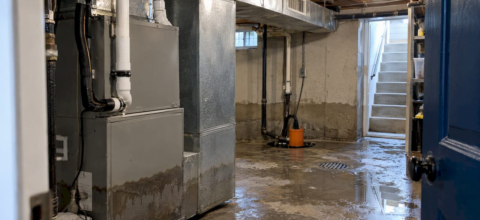
Floodwater in your home can reach the HVAC system. Learn what to do before restarting it, what cleaning involves, and what insurance usually covers in NY, NJ and CT.
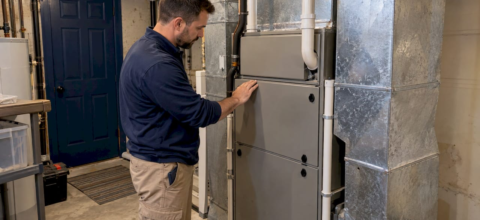
Are HVAC UV lights safe? Learn how in-duct UV-C is shielded, what exposure limits mean, ozone, lamp life and servicing rules for NY, NJ and CT properties.
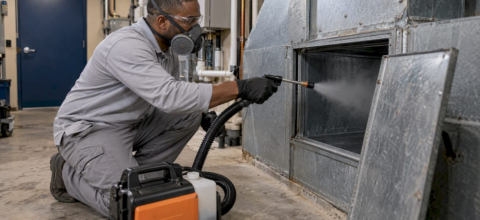
Is duct fogging safe? Learn what EPA labels, re-entry times, ventilation and sequencing mean for homes and buildings in New York, New Jersey and Connecticut.
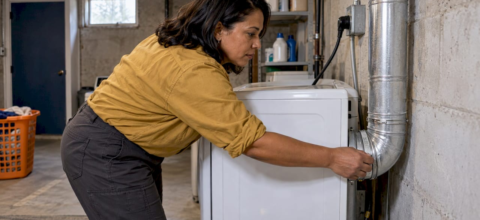
Connecticut dryer vent code explained: the 2022 State Building Code rules on duct material, 35-foot length, termination, screens and inspections, in plain English.

Coil cleaners can burn skin, damage eyes and shorten coil life if misused. Learn the real hazards and why a certified technician should handle them.

Floodwater in your home can reach the HVAC system. Learn what to do before restarting it, what cleaning involves, and what insurance usually covers in NY, NJ and CT.

Are HVAC UV lights safe? Learn how in-duct UV-C is shielded, what exposure limits mean, ozone, lamp life and servicing rules for NY, NJ and CT properties.

Is duct fogging safe? Learn what EPA labels, re-entry times, ventilation and sequencing mean for homes and buildings in New York, New Jersey and Connecticut.

Connecticut dryer vent code explained: the 2022 State Building Code rules on duct material, 35-foot length, termination, screens and inspections, in plain English.