Old Ductwork in Historic Trenton Homes: What 90 Years Does to Your System
Trenton’s historic neighborhoods have real character. Wide porches, original hardwood, and those big old trees that make every street look picture-perfect. If you’re looking at Trenton homes for sale or already own one, you know the appeal. But under those floors and behind those plaster walls, there’s something most people don’t think about: your heating and cooling system was built for a completely different world.
The ductwork in your basement wasn’t made for central air, modern furnaces, or the constant barrage of pollen from those beautiful trees. What worked fine in 1935 creates problems today.
What 1930s Ductwork Was Actually Built For
Most old house ductwork from this era was designed around gravity furnaces. These were huge cast iron units in the basement that didn’t use fans, just natural heat rising through the house. The parts of ductwork were straightforward: large metal runs connecting to oversized floor registers. The heat went up on its own.
A 1930s furnace had one job: keep the house warm in winter. The ductwork examples from that time show little to no insulation. Joints were sealed with cloth tape and mastic that’s now dried out and cracked. Nobody cared about efficiency when heating fuel was cheap.
So what is ductwork made out of in these old homes? Mostly galvanized steel sheets, riveted together at the seams. Some used tin-coated steel. The material held up well initially, but after 90 years, rust happens. Metal surfaces have dealt with decades of moisture, temperature changes, and just general wear.
Why Your Trees Are Part of the Problem
Here’s what most homeowners don’t realize: those gorgeous trees are affecting your indoor air. Mature oaks and maples drop massive amounts of pollen every spring. Add leaves, seed pods, and fine plant debris, and you’ve got particles constantly trying to get into your house.
Old Trenton has some of the densest tree cover around. Great for shade and curb appeal, but it also means your home sits under a steady rain of organic material. Older duct systems don’t seal tight like modern ones. Every gap and corroded joint lets stuff in.
When leaves pile up around vents and air intakes, they break down. That breakdown brings mold spores and bacteria into your airflow. Fine pollen settles inside the ducts, layer after layer.
Why the Original Design Doesn’t Cut It Anymore
The industrial style ductwork in your basement wasn’t built for what we expect now. Modern HVAC needs balanced airflow and sealed connections. Your 1930s setup has neither.
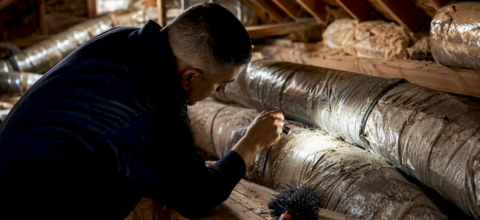
The biggest issue is location. These ducts run through unheated crawlspaces and basements where temperature differences create condensation. Without insulation, you lose heated or cooled air before it reaches your rooms. You can see the waste on your energy bill, especially during winter months when costs spike.
The layout itself causes trouble. Ducts make odd turns, run vertically without support, and branch at angles that block airflow. This wasn’t sloppy work, it’s just how things were done back then.
When Old Systems Meet New Demands
Today’s homeowners want central AC, better filtration, and consistent temperatures. None of that existed when these systems went in. Adding modern equipment to old Trenton ductwork is like upgrading one piece while ignoring the rest.
What happens if you don’t clean air ducts under these conditions? Debris builds up and blocks airflow. Dust mites live in the organic stuff. Mold grows in damp sections. Your furnace or AC works harder to compensate, pushing up costs while some rooms stay too hot or too cold.
In really bad cases, deteriorated ductwork just leaks conditioned air into walls or crawlspaces. You’re heating or cooling areas you never use. If your bills seem off and you can’t figure out why, the issue might be bigger than you think.
The Material Safety Question
Before anyone works on your old ductwork, there’s something to check: asbestos. Some installations from the 1930s through 1950s used asbestos in pipe wrap, joint tape, or sealants.
This isn’t meant to scare you. It just explains why you need a professional to look first. Disturbing asbestos without the right precautions is dangerous. Any good contractor knows to check before they start cutting or removing anything.
The Whole-House Connection
Your ductwork problems don’t exist alone. The same era gave you chimney systems that need different care than newer homes. Everything’s connected.
Understanding why Trenton homes behave differently helps you fix the right things. Maybe upstairs bedrooms never cool down in summer. Maybe certain rooms always feel off. These aren’t random, they’re predictable results of old infrastructure trying to handle modern life.
What You Can Actually Do
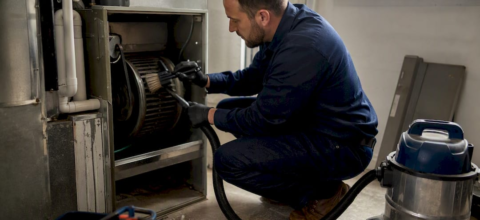
Solutions exist that don’t require gutting your house. Professional duct cleaning removes built-up debris. Sealing repairs failed joints without full replacement. Adding insulation in key spots cuts energy waste.
Some situations need more. Homes with badly damaged ductwork might need different approaches. Cleaning your condenser coils helps the outdoor unit work with your duct system instead of against it.
Questions to Start With
Get an assessment. What shape is your ductwork in? When was it last looked at? Can you see rust, gaps, or damage? You need someone who knows what to look for.
Think about your symptoms. Too much dust even when you clean regularly? Musty smell when the heat kicks on? Rooms that never hit the temperature you set? Each one points to something specific.
Consider your plans. Staying long-term? Fixing old ductwork makes financial sense. Getting ready to sell? Addressing it now prevents problems during inspection.
Living With a Historic Home
Owning a Trenton house from the 1930s means accepting trade-offs. Those tree-lined streets come with maintenance. The architectural details you love sit alongside infrastructure that’s past its prime.
Your ductwork wasn’t designed for today’s pollen, modern HVAC, or energy standards. It couldn’t predict central air or electronic filters. The installers did good work for their time, but their time was 90 years ago.
Knowing these limits doesn’t hurt your home’s value—it helps you fix things the right way. The difference between fighting an old system and making it work often comes down to understanding what you have and making targeted fixes.
Your home has lasted nearly a century. With attention to the systems keeping it comfortable, it’ll last another.