Duct Cleaning After Mold Remediation: What to Do Next
If mold was removed from your home and your HVAC system was touched by it, or even just ran while the mold was growing, duct cleaning is usually a necessary follow-up step, not an optional extra. Remediation deals with the moldy walls, floors or basements. Your ductwork is a separate set of surfaces that can carry spores, dust and debris through every room. The order matters: fix the moisture, remove the mold, then clean the HVAC system, and only then restart it with fresh filters.
This guide explains when duct cleaning is needed after remediation, how it differs from remediation itself, what a proper job includes, how to check the result, and what to expect from insurance. It is written for homeowners, property managers and buyers in New York, New Jersey and Connecticut, where humid summers, damp basements and older housing stock make this a common situation.
TL;DR
- Mold remediation and duct cleaning are different jobs. Remediation removes mold from the building; duct cleaning removes contamination from the HVAC system. One does not automatically include the other.
- The EPA says to consider duct cleaning when there is substantial visible mold growth inside hard-surface ducts or on other heating and cooling components, after the conditions causing the mold have been corrected.
- Cleaning ducts without fixing the moisture source only buys you time. Mold returns where water or condensation keeps showing up.
- Ask to see the contamination, insist on containment and negative-air equipment, and verify the finished work by visual inspection.
- Standard homeowners policies usually cover mold only when it results from a covered peril, so read your policy before you book anything.
Table of Contents
- Duct cleaning vs. mold remediation: two different jobs
- When duct cleaning after remediation makes sense
- Fix the moisture first
- Keep the system off until it is cleaned
- What proper post-mold duct cleaning includes
- How to check the work
- Our perspective
- What to do, step by step
- Does homeowners insurance cover mold in ductwork?
- Residential, commercial and rental properties
- Book an inspection with Amazon Air Duct Cleaning
- FAQ
- Sources
Duct cleaning vs. mold remediation: two different jobs
People often assume one company does both, and that “mold remediation” means the whole house is clean, ducts included. That is not always true.
Mold remediation is about removal. The EPA explains that the goal is to remove mold to prevent exposure and damage to building materials and furnishings, not just to kill it, because dead mold can still cause allergic reactions. Remediation crews typically work on the affected area: cutting out wet drywall, cleaning framing, controlling the moisture source.
Duct cleaning is about the air pathway. It removes dust, debris and, where present, mold growth from supply and return ducts, plenums, registers, coils and the blower. If remediation was confined to a flooded basement corner and the HVAC system was never involved, ducts may not need any work at all. If the air handler sits in that basement, or return ducts pulled air through the contaminated area, the picture changes.
| Mold remediation | Duct cleaning | |
|---|---|---|
| What it addresses | Mold growth on building materials and contents | Contamination inside the HVAC system |
| Typical scope | Affected rooms, walls, floors, structure | Ducts, registers, plenum, coils, blower |
| Fixes the moisture source? | Should identify it and require it be fixed | No, only removes what moisture left behind |
| When it happens | First | After the source is corrected and remediation is finished |
When duct cleaning after remediation makes sense
The EPA is cautious about duct cleaning in general. It says there is no blanket recommendation to clean ducts and that cleaning has not been shown to prevent health problems. That caution is worth sitting with for a moment, because it also tells you when cleaning is justified. The same EPA page says to consider it when there is substantial visible mold growth inside hard-surface ducts or on other components of the heating and cooling system, after the conditions causing the mold have been corrected.
In practice, that points to a few situations:
- Visible mold in the ducts, registers or plenum. If you can see growth on the inside of a vent, on a register, or inside the air handler, cleaning is warranted.
- The system ran during a leak, flood or high-humidity event. Moisture and spores can travel through the system even if you cannot see them from the register.
- Remediation happened in a room served by returns near the work area. Dust from demolition can be pulled into return ducts.
- A musty smell returns every time the system starts, even after the visible mold is gone.
- You are a buyer or property manager taking over a unit with a documented mold history and an HVAC system nobody has inspected.
You can probably skip duct cleaning when the mold was limited to a sealed-off area, the HVAC system was off or unaffected, and an inspection shows clean duct interiors. If you are unsure which category you are in, our guide on how to detect mold in air ducts and what to do walks through the checks, and this overview for NY, NJ and CT homeowners on mold on air vents covers what you can see from the registers.
Fix the moisture first
This is the step that decides whether duct cleaning lasts. Mold needs moisture. If the source is still there, you will be cleaning the same ducts again within a season or two.
The EPA’s guidance on preventing a return is straightforward: correct water leaks and moisture problems, including condensation and HVAC issues, and change filters on the manufacturer’s schedule. The NIH Division of Occupational Health and Safety adds a practical hiring test: confirm the contractor has identified and controlled the moisture source before the cleaning starts.
In the Northeast, the usual culprits are:
- Condensate drain problems. A clogged or poorly pitched drain line lets water pool at the evaporator coil and overflow into the plenum.
- Uninsulated ducts in basements, crawl spaces and attics. Cold supply air in summer makes warm, humid air condense on the outside of the duct, and drips can soak insulation and nearby materials.
- Oversized air conditioners that cool quickly and shut off before removing much humidity.
- Basement and foundation moisture in older homes, especially after heavy rain or storm flooding.
- Leaks from roofs, plumbing and window flashing that run down into wall and ceiling cavities where ducts travel.
Our page on plenum cleaning and fixing moisture first goes deeper into why the plenum and coil area is where moisture problems tend to show up in HVAC systems, and how to prevent mold in ducts lists humidity targets and maintenance habits.
Keep the system off until it is cleaned
This one catches people out. The EPA states that an HVAC system found to be contaminated with mold should be turned off and not used until it has been remediated, because running it may spread mold throughout the building. The same page says that mold remediation in HVAC systems should be done by professionals experienced with those specific systems.
If you are in the gap between remediation and cleaning, especially in winter when you need heat, talk to your remediation contractor and an HVAC professional about a safe interim plan rather than just running the furnace and hoping for the best.
One caution for the other direction: do not seal off or cover registers permanently as a shortcut. Proper post-remediation cleaning and inspection of the system is normally part of finishing the job, not something left for later.
What proper post-mold duct cleaning includes
Not every duct cleaning is equal, and mold work raises the bar. Based on the NIH guidance and the EPA’s materials, a legitimate job has these elements:
- Source identification first. The cleaning follows identification and control of the contaminant source, not the other way around.
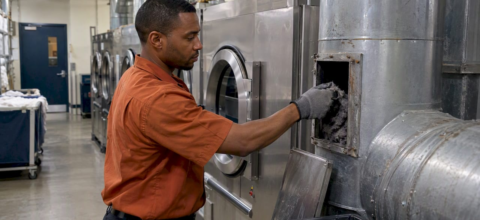
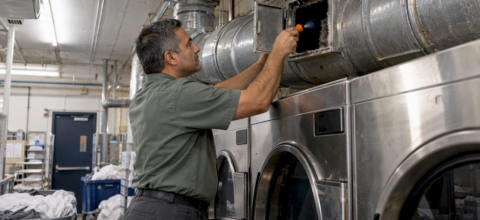
- Containment. The NIH fact sheet recommends containment barriers and negative-air equipment so that dislodged spores and debris are pulled into filtration rather than pushed into your living space.
- Whole-system access. Supply and return ducts, plenums, the blower and the coils. Mold often sits at the evaporator coil and drain pan, so cleaning only the vents misses the source. We cover that equipment in our pages on evaporator coil and blower cleaning and condenser coil cleaning.
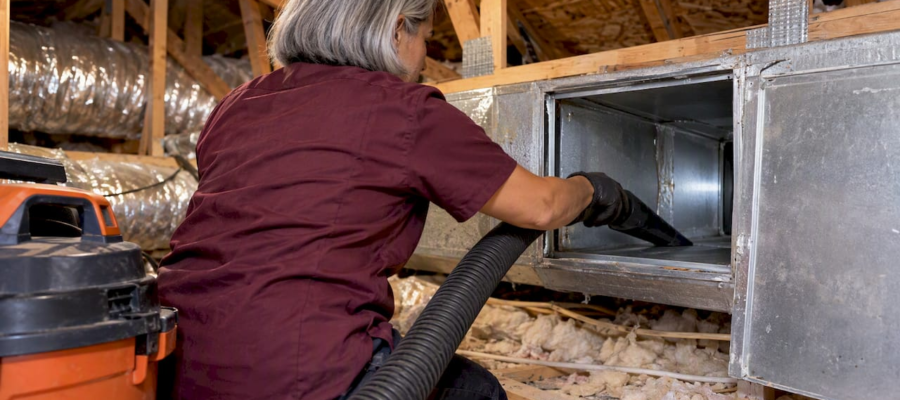
- Mechanical agitation with HEPA-filtered vacuum collection. Brushes, air whips or similar tools loosen buildup while a source-removal vacuum captures it. Our page on what equipment we use to clean air ducts explains the tools.
- Filters on every opening at restart. The NIH guidance calls for filters placed over supply and return grilles when the system restarts, which catch anything left loose in the system.
- A new system filter once the work is done.
Be careful with sprays and coatings
The Connecticut Department of Public Health is blunt about this. Its 2024 homeowner guidance says biocides are not a substitute for proper cleaning and should be used only if EPA-registered for that specific microorganism. It also notes that some contractors inappropriately spray biocides over mold instead of removing it, which is not considered proper abatement.

That is a genuine red flag. A contractor whose main pitch is a fogging treatment or a sealant applied over visible growth is not doing the job you need. Antimicrobial treatment can have a place after the debris has been physically removed, particularly for odor, and we describe how we use it on our antimicrobial and deodorizing duct system cleaning page. But it follows cleaning; it never replaces it.
If the contamination is heavy, or insulation inside the ductwork is soaked or moldy, cleaning may not be enough. Porous or fiberglass-lined duct material that has been wet and moldy often has to be removed and replaced. For that scale of problem, professional remediation of mold-contaminated ducts is the kind of work to line up before restarting the system.
How to check the work
You do not need lab equipment to hold a contractor accountable. You need to look.
- Ask to see the mold before the work. The EPA advises asking the provider to show you any mold they say exists; an expert, possibly using laboratory analysis, can confirm whether it is actually mold. Photos or camera footage of the inside of the duct are reasonable to request.
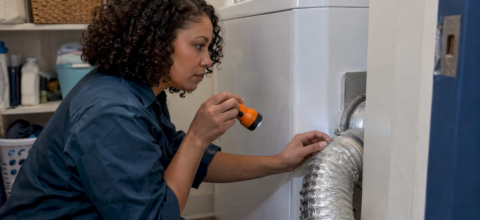
- Verify after. The same EPA page says that a visual inspection is the best way to check duct cleanliness after cleaning. Ask for after photos from the same access points, and look inside a few registers yourself with a flashlight.
- Check the smell. A musty odor when the system first runs warm or cool air may mean remaining growth or a moisture source you have not found.
- Get the scope in writing. It should list the components cleaned, the containment method and what happens with any damaged duct material.
- Ask about credentials. The NIH fact sheet recommends that duct cleaning contractors be members in good standing of the National Air Duct Cleaning Association (NADCA). NADCA is the trade association whose standards (ACR) most specifications refer to. For facilities that have to meet survey requirements, see our note on NADCA ACR duct cleaning specs.
Watch for other warning signs: a very low flat price quoted over the phone without seeing the system, pressure to act the same day, claims that duct cleaning will cure health problems, or no explanation of how they will contain debris.
Our perspective
We get this call often: a homeowner finishes remediation, the invoice says the work is complete, and the house still smells musty when the air comes on. In most of those cases, nobody ever looked inside the HVAC system.

Our view is simple. Duct cleaning after mold is not an upsell, but it is also not automatic. It depends on whether the system was exposed, and the only honest way to know is to inspect it. We would rather show you what is inside your ducts and tell you “this is fine, you can skip it” than sell a cleaning you do not need. When mold is present in the system, we clean it mechanically and capture the debris with proper collection equipment, and we say plainly when a duct section or insulation has to be replaced instead.
We also tell customers to fix the moisture source first, even when that means a plumber, an HVAC repair or a dehumidifier comes before us. A clean duct system in a damp house is a short-term result. Our technicians are certified and we have been working in homes and commercial buildings across New York, New Jersey and Connecticut for over 10 years, so we see what the same moisture problems do in different building types.
— Victor
What to do, step by step
Here is a sensible order of operations after remediation:
- Get the clearance or completion documentation from your remediation contractor, and ask directly whether the HVAC system was inspected.
- Confirm the moisture source is fixed: leak repaired, drain cleared, ducts insulated, basement drained.
- Leave the system off if mold is suspected inside it until it is inspected.
- Schedule an HVAC inspection that includes the plenum, coils, drain pan and a camera or visual check of the ducts.
- Clean what needs cleaning, with containment, negative air and filtered collection.
- Replace damaged or wet porous duct material and the system filter.
- Verify by visual inspection and keep the before and after photos with your records.
- Maintain it: change filters on schedule, keep indoor humidity under control and look at registers a couple of times a year.
Our HVAC mold removal page for NY, NJ and CT explains how this fits into our service, and our checklist for a complete duct cleaning shows what to expect on the day.
Does homeowners insurance cover mold in ductwork?
Usually only in limited circumstances. According to CNBC’s reporting, standard homeowners policies typically do not cover mold or fungus unless it results from a covered peril, such as a burst pipe or a water heater that floods a basement. Mold from long-term humidity or neglected maintenance is commonly excluded, and some owners add a rider for broader coverage.
What that means for you:
- If a sudden covered event caused the water damage, ask your insurer whether duct cleaning is part of the covered scope, and file the claim before work begins.
- Document everything: photos of the ducts, the remediation report and the moisture repair.
- Limits and wording vary by insurer and policy, so call your agent or read the “fungus, wet or dry rot” language directly. We cannot tell you what your policy pays.
Property managers and landlords should also check commercial property policies, which differ from homeowners forms.
Residential, commercial and rental properties
The approach is the same everywhere, but the stakes differ. In a single-family home, you are protecting your own household. In rentals, offices, schools and clinics, a documented, verifiable cleaning matters for tenants, occupants and inspections. Our commercial air duct cleaning service is built for property and facility managers who need a clear scope and records. Real estate agents and buyers dealing with a mold disclosure can use a pre-closing HVAC inspection to find out whether the ductwork needs attention before the sale closes.
If you would like to understand the broader contamination picture beyond mold, our page on HVAC contaminants and indoor air quality is a good companion read. After cleaning, some homeowners also consider UV light installation to help keep the coil area cleaner, though UV does not replace fixing moisture or cleaning.
Book an inspection with Amazon Air Duct Cleaning
If your home or building in New York, New Jersey or Connecticut has been through mold remediation and nobody has checked the HVAC system, we can inspect it, show you what we find, and clean it if cleaning is justified. Learn more about our air duct cleaning service or contact us through amazonairpro.com to schedule.
FAQ
Can you clean mold out of AC ducts?
Yes, when the mold is on hard-surface ducts and components, it can be physically removed with proper containment and collection equipment. The EPA suggests considering cleaning when there is substantial visible growth, after the moisture cause is corrected. Heavily contaminated porous or insulated duct material often needs replacement instead.
Does duct cleaning remove mold for good?
No. Cleaning removes the growth that is there now, but it does not stop new growth if moisture persists. Fix leaks, condensate drain problems and humidity first, then keep filters changed and check the system regularly.
How long after remediation should I wait to clean the ducts?
Clean after the remediation is finished and the moisture source is corrected, so the system is not re-exposed to dust and spores from ongoing work. If mold is in the HVAC system itself, keep it off until it has been cleaned. Your remediation contractor and duct cleaner can agree on the timing for your property.
Does duct cleaning reduce dust?
It can remove built-up debris from the system, but the EPA says duct cleaning has not been shown to prevent health problems. Dust levels also depend on filters, house cleaning and where the dust comes from, such as renovation or pets.
Is duct cleaning part of mold remediation?
Not automatically. Remediation scopes vary, and many focus on the affected building areas only. Ask in writing whether the HVAC system is included, and if not, arrange an inspection separately.
Sources
- Should You Have the Air Ducts in Your Home Cleaned? (US EPA)
- Mold Remediation in Schools and Commercial Buildings Guide, Chapter 3 (US EPA)
- Mold Course Chapter 5 (US EPA)
- DOHS Fact Sheet on HVAC Duct Cleaning (NIH)
- Mold Assessment and Clean-Up Tips for Homeowners and Tenants (Connecticut Department of Public Health, 2024)
- How homeowners insurance covers mold damage (CNBC)
Recommended
- Mold in Your Ducts? Here’s How to Get Rid of It | PRO Tips
- Mold in Air Ducts: Detection, Prevention & Solutions
- Complete duct cleaning checklist: boost air quality 41%
- How to prevent mold in ducts for healthier indoor air