Getting Your Home Ready for White Plains Winter Wonderland: An HVAC Checklist
The lights are going up at Kensico Dam Plaza in Valhalla, and Westchester’s Winter Wonderland is coming back for another season. For families in White Plains and nearby towns, this marks the start of holiday activities. After walking through the light displays, coming home to a warm house makes the evening complete.
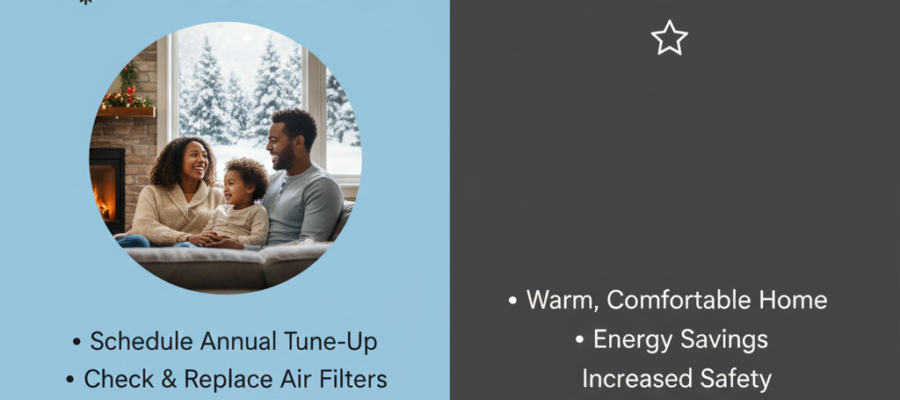
Getting your heating system ready before it gets cold matters for comfort and your wallet. A maintained furnace keeps energy bills down, improves indoor air, and helps you avoid breakdowns during the coldest nights.
White Plains winters bring cold snaps, dampness, and snow that make unprepared homes uncomfortable. Cleaning your air ducts and following this winter HVAC checklist will get you ready.
Your Pre-Winter Heating System Checklist
Before you head out to see the Winter Wonderland Kensico Dam lights, spend an afternoon on these heating prep tasks. They help catch problems early when fixes are cheaper.
Replace Your Air Filters
Clogged air filters make your furnace work harder and use more energy. When dust and debris block the filter, air can’t move through easily, which drives up your heating bills and creates uneven temperatures. A fresh filter catches the particles that get kicked up when you turn on the heat for the first time each fall.
Check filters monthly if you have pets or allergies. Otherwise, swap them out every 60 to 90 days. It’s quick and makes a real difference in how your system runs.
Test Your Thermostat Early
Turn on the heat before you actually need it. Set your thermostat to heat mode on a mild day and listen for the furnace to start up. Notice how long it takes to reach your target temperature and if all rooms heat evenly. Catching problems now beats dealing with them on a freezing night.
Old thermostats can drift out of calibration, making your furnace cycle on and off too often. A programmable thermostat lets you schedule heating around your routine, so you’re not heating an empty house all day.
Clear Vents and Radiators
Walk through your home and check that furniture, curtains, or decorations aren’t blocking vents or radiators. Even partial blockage disrupts airflow and creates cold spots in rooms. Your system runs longer trying to compensate, which wastes energy.
Vacuum dust from vent covers while you’re at it. Built-up debris reduces efficiency and gets blown into the air every time the heat runs.
Check the Area Around Your Furnace
Keep the space around your furnace or boiler clear. Storage boxes, cleaning products, and clutter create fire hazards. Dust buildup affects performance too. Spend a few minutes clearing the area and wiping down surfaces.
Look for rust spots, water pooling, or strange smells while you’re there. These signal leaks or ventilation problems that need attention before winter hits.
Seal Drafts Around Windows and Doors
Air leaks waste heat and money. On a breezy day, hold your hand near window frames and door edges to feel for drafts. Weatherstripping and caulk fix most leaks and cost very little.
Drafts make your home feel colder than it is, so you turn up the heat more than you need to. Sealing gaps reduces how hard your furnace has to work.
Have Your Chimney Cleaned
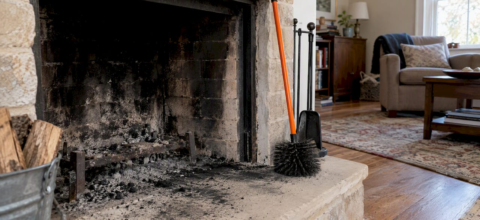
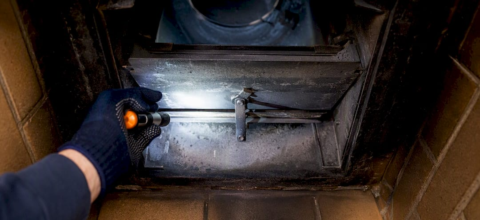
If you plan to use your fireplace, get your chimney cleaned before lighting the first fire. Creosote buildup from previous fires can ignite. Debris or animal nests block ventilation and create carbon monoxide risks.
An annual inspection catches problems before they become dangerous, even if you only use the fireplace occasionally.
Warning Signs DIY Isn’t Enough
Before you tackle these repairs yourself, run through a seasonal maintenance checklist for homeowners to see what you can handle safely
Some problems need a technician. Grinding, banging, or high-pitched noises point to worn belts, loose parts, or motor issues. These get worse if you ignore them.
A yellow or flickering pilot light means incomplete combustion, which produces carbon monoxide. If your furnace turns on and off constantly, something’s wrong with the thermostat or airflow. Get these checked out.
What Happens During a Professional Heating Inspection
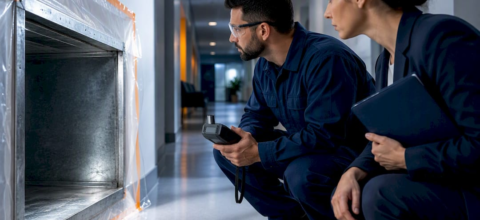
Technicians check parts you can’t easily reach. They test electrical connections, look for cracks in the heat exchanger, verify combustion is working right, and measure airflow through your ducts. They also tighten gas connections and clean internal parts that collect dust.
This kind of inspection catches safety issues and efficiency problems before they affect your comfort. Fall heating system maintenance tips White Plains residents should follow include getting this done before cold weather arrives.
Getting Your Heating System Winter-Ready
Preparing your home for winter in Westchester takes more than pulling out heavy coats. A little work on your heating system now prevents problems later. When your furnace runs well, you spend less on bills and avoid cold nights waiting for repairs.
HVAC maintenance doesn’t need to be complicated. The tasks on this checklist take a few hours but keep you comfortable all season. With clean ducts moving warm air through your home, you can focus on things like the Kensico Dam holiday event without worrying about the temperature inside.
Catching issues early saves money. A maintained system handles cold snaps, damp weather, and everything else winter brings. After a night seeing the lights, coming home to a warm house makes it all worthwhile.