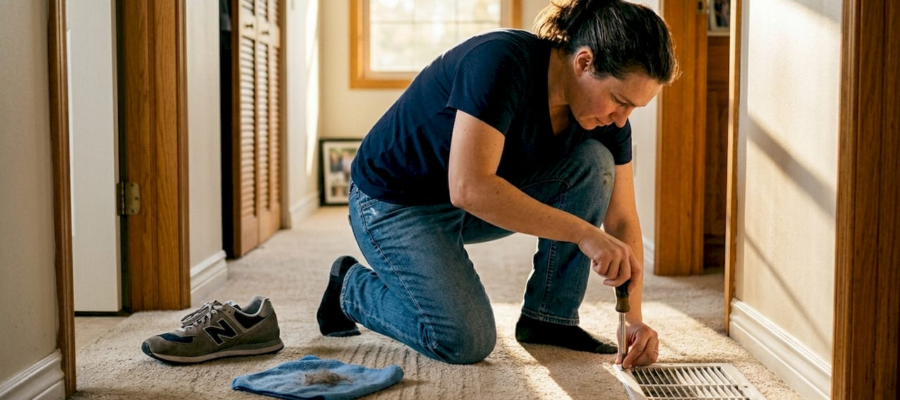
11 warning signs your air ducts are dirty and need cleaning
Most homeowners in New York, New Jersey, and Connecticut never think about their air ducts until something goes wrong. The problem is that dirty ducts rarely announce themselves clearly. You might notice more dust on your furniture, or someone in the house starts sneezing more often, but it’s easy to blame other causes. Visible dust and debris around air vents and registers is one of the primary signs that your ducts need attention. Knowing what to look for puts you in control of your home’s air quality and safety.
Table of Contents
- How to judge if your ducts are dirty: Key criteria
- 11 warning signs your air ducts need cleaning
- Summary table: Warning signs versus recommended actions
- Next steps: Expert tips for safe and effective cleaning
- Get professional air duct cleaning in NY, NJ, or CT
- Frequently asked questions
Key Takeaways
| Point | Details |
|---|---|
| Visual signs matter most | Dust, mold, and vermin are key indicators that air ducts need cleaning. |
| EPA recommends as-needed cleaning | Only clean ducts when visible problems are present, not just on a routine schedule. |
| Certified pros ensure safety | Hire NADCA-certified, source-removal experts in NY, NJ, or CT for reliable duct cleaning. |
| Porous fiberglass ducts need replacing | If mold infects fiberglass ducts, replacement is safer than cleaning. |
How to judge if your ducts are dirty: Key criteria
Now that you know why this matters, let’s clarify how experts and agencies advise you to judge whether your ducts actually need cleaning. The most reliable method is a straightforward visual inspection. Look at your vents, registers, and any accessible duct sections. If you see buildup, debris, or discoloration, that’s a meaningful signal.
The EPA is clear on one important point: there is no conclusive evidence that routine duct cleaning prevents health problems or reduces dust in typical homes. This means you should not clean your ducts on a fixed schedule just because someone tells you to. Clean them when there’s a visible reason to do so.
The ASHRAE/NADCA duct cleaning standards (ASHRAE 180-2018) back this up by focusing on visible issues rather than arbitrary timelines. Industry groups sometimes recommend cleaning every 3 to 5 years, but that guidance is worth weighing against the EPA’s more conservative position. You can read more about how often to clean air ducts and what expert recommendations for duct cleaning actually say before making a decision.
A few key criteria to keep in mind:
- Visual inspection first: Check vents, registers, and accessible duct openings for dust, debris, or discoloration.
- Moisture matters: If there’s a moisture problem in your HVAC system, fix it before cleaning. Otherwise, mold will return.
- No routine schedule required: Clean based on visible need, not a calendar.
- Source removal is the standard: Effective cleaning physically removes contaminants rather than just spraying chemicals.
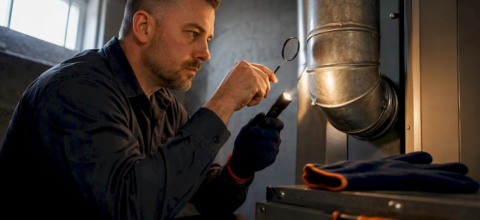
Pro Tip: Use a flashlight and a small mirror to inspect inside your vent registers. If you see a thick gray coating or visible debris, that’s a genuine red flag worth acting on.
11 warning signs your air ducts need cleaning
With the criteria in mind, here’s the definitive breakdown of warning signs every homeowner and property manager should check for. These are the common warning signs that professionals look for during an inspection.
-
Visible dust and debris at vents. If you see dust buildup around your air registers or return vents, your ducts are likely pushing contaminated air into your living space. Visible dust and debris at vents is one of the clearest indicators recognized by the EPA.
-
Visible mold growth inside ducts or HVAC components. Mold in your ductwork is a serious concern. Substantial visible mold growth inside ducts or HVAC components warrants cleaning to improve air quality and safety. Learn more about detecting mold in ducts and what steps to take.
-
Vermin droppings or nests. Rodents and insects can enter ductwork and leave behind droppings, nests, and debris. Infestation by vermin requires cleaning after addressing the infestation itself first.
-
Excessive dust released from registers. When your HVAC system turns on and you see a visible puff of dust from the vents, that’s a sign of significant buildup inside the system.
-
Odd or musty smells when the HVAC runs. A stale, musty, or burning smell that appears only when the system is running often points to mold, debris, or even pest activity inside the ducts.
-
Frequent allergic reactions at home. If household members experience increased sneezing, runny noses, or itchy eyes primarily when indoors, contaminated ducts could be circulating allergens throughout your home.
-
Rooms with inconsistent air quality or airflow. Some rooms feel stuffy or dusty while others seem fine. Blockages or heavy buildup in specific duct sections can create uneven airflow and air quality across your property.
-
Dust accumulating on furniture faster than usual. If you’re cleaning surfaces more frequently than before and the dust keeps coming back quickly, your duct system may be the source. Check out these more signs of dirty ducts for additional context.
-
HVAC efficiency decline and higher energy bills. Dirty ducts restrict airflow, forcing your system to work harder. If your energy bills have climbed without a clear reason, reduced HVAC efficiency from buildup could be a factor.
-
Noise, rattling, or vibration from ducts. Unusual sounds when the system runs can indicate debris, loose material, or even pest activity inside the ductwork.
-
Porous fiberglass ducts with mold. This is an important edge case. If your ducts are made of porous fiberglass and show mold growth, porous fiberglass ducts with mold should be replaced entirely, not cleaned. Cleaning them is ineffective and can spread contamination.
Worth noting: Not every sign on this list automatically means you need a full duct cleaning. Some issues, like noise or inconsistent airflow, may have other causes. A professional inspection will give you a clear answer before you commit to any service.
Pro Tip: Take photos of any visible dust, debris, or discoloration at your vents before calling a professional. This helps the technician assess the situation faster and gives you a record of the condition before cleaning.

Summary table: Warning signs versus recommended actions
To simplify your decision, here’s a comparison table matching each warning sign with the right recommended action. The EPA advises cleaning ducts only as needed based on visible issues, and ASHRAE 180-2018 provides HVAC maintenance guidelines including when to clean.
| Warning sign | Recommended action |
|---|---|
| Visible dust/debris at vents | Schedule professional inspection and cleaning |
| Visible mold in ducts or HVAC | Clean immediately; fix moisture source first |
| Vermin droppings or nests | Resolve infestation, then clean ducts |
| Excessive dust from registers | Inspect and clean; check filter condition |
| Musty or odd smells when HVAC runs | Inspect for mold or debris; clean as needed |
| Frequent indoor allergy symptoms | Inspect ducts; consider air quality testing |
| Inconsistent airflow between rooms | Inspect for blockages; clean if buildup found |
| Rapid dust accumulation on furniture | Inspect ducts and HVAC filter; clean if needed |
| Rising energy bills without clear cause | HVAC efficiency check; clean ducts if restricted |
| Rattling or noise from ductwork | Inspect for debris or pests; clean after resolving |
| Porous fiberglass ducts with mold | Replace ducts entirely; do not attempt cleaning |
For help identifying duct cleaning needs specific to your property, or to book a certified professional cleaning in NY/NJ, a qualified technician can walk you through the right next step.
Next steps: Expert tips for safe and effective cleaning
Once you’ve identified warning signs and checked the table, here’s what to do next to maintain safe, clean ducts. The most important step is choosing the right professional. For homeowners and property managers in NY, NJ, and CT, NADCA-certified pros using source removal methods (vacuum and brush systems) per ASHRAE/NADCA standards are the benchmark for effective and safe cleaning.
Here’s what to look for and ask about:
- NADCA certification: Verify that the company holds current NADCA certification. This ensures they follow industry-recognized standards for equipment and technique.
- Source removal method: Ask specifically whether they use physical removal (vacuuming and brushing) rather than just applying chemical sprays or sealants. Source removal is the only method with consistent evidence of effectiveness.
- Moisture and mold prevention: If mold was present, confirm that the underlying moisture issue has been fixed before cleaning. Otherwise, mold will return within weeks. Read more about preventing duct mold to understand long-term maintenance.
- Filter and coil maintenance: Regular filter changes and coil cleaning reduce the rate at which ducts accumulate debris. Ask your technician for a maintenance schedule suited to your system.
- Avoid one-size-fits-all offers: Be cautious of companies offering extremely low flat-rate cleaning for any home size. Legitimate professionals assess your specific system before quoting.
Pro Tip: Ask any company you’re considering whether they carry liability insurance and can provide references from local NY, NJ, or CT clients. A trustworthy company will answer both questions without hesitation.
Working with NADCA-certified pros in NY/NJ who understand regional building types, from older New York City apartments to suburban New Jersey homes, makes a real difference in the quality and safety of the work.
Get professional air duct cleaning in NY, NJ, or CT
For homeowners and property managers ready to take action, expert help is available. If you’ve spotted any of the warning signs above, the next step is a professional inspection from a team that knows what to look for.

Amazon Air Duct Cleaning has over 10 years of experience serving residential and commercial clients across New York, New Jersey, and Connecticut. Our team uses source removal methods and follows NADCA and ASHRAE standards on every job. We offer air duct cleaning services for homes and commercial properties, and we can help you determine whether you genuinely need duct cleaning before any work begins. If you want to prepare, our duct cleaning checklist walks you through exactly what to expect. Reach out today to schedule an inspection or get a straightforward quote.
Frequently asked questions
Can dirty air ducts make you sick?
Dirty air ducts can circulate mold spores, dust, and allergens that worsen asthma or allergy symptoms, but there is no conclusive evidence that dirty ducts directly cause illness in otherwise healthy people.
How often should air ducts be cleaned?
The industry commonly suggests every 3 to 5 years, but the EPA advises cleaning only as needed when there are visible issues such as mold, vermin, or significant debris buildup.
What should I do if I see mold in my air ducts?
Hire a NADCA-certified professional and fix the moisture source before cleaning. If your ducts are made of porous fiberglass, porous fiberglass ducts with mold should be replaced rather than cleaned.
Do air duct cleaning companies need to be certified?
Yes. Companies should follow NADCA and ASHRAE standards to ensure they use safe, effective source removal methods and meet recognized industry benchmarks.
What are signs of vermin in air ducts?
Droppings, nests, or scratching noises inside ductwork are clear indicators of rodents or insects. Vermin infestation requires resolving the pest problem first, then cleaning the ducts thoroughly afterward.
Recommended
- 5 Signs Your Air Ducts Need Cleaning – Amazon Air Duct Cleaning
- Signs of Dirty Air Ducts – Amazon Air Duct Cleaning
- How Do I Know I Need To Have My Air Ducts Cleaned – Amazon Air Duct Cleaning
- When do you know it’s time to clean your air ducts? – Amazon Air Duct Cleaning