Should You Get Your Air Ducts Cleaned? What Experts Recommend
Is it really time to clean out air ducts, or is that just something HVAC companies want you to believe? For many homeowners, it’s not an obvious call. Some swear by the fresh-air difference after a cleaning, while others aren’t sure if it’s worth the time or cost. The truth lies somewhere in the middle—and knowing the facts can help you make an informed, confident decision.
Below, we break down what experts actually say, what to watch for, and how often you should get your ducts cleaned.
Should You Get Your Ducts Cleaned?
If you’re wondering whether duct cleaning is necessary, you’re not alone. Many households debate this maintenance task, especially when indoor air feels “fine.” According to the National Air Duct Cleaners Association (NADCA), it’s not just about how the air smells—it’s about what you don’t see: dust buildup, hidden mold, pet dander, and other contaminants that circulate every time your HVAC system runs.
Routine duct upkeep isn’t required every year, but there are clear signs when a deep system cleaning makes a real difference.
How Do I Know If My Air Ducts Need to Be Cleaned?
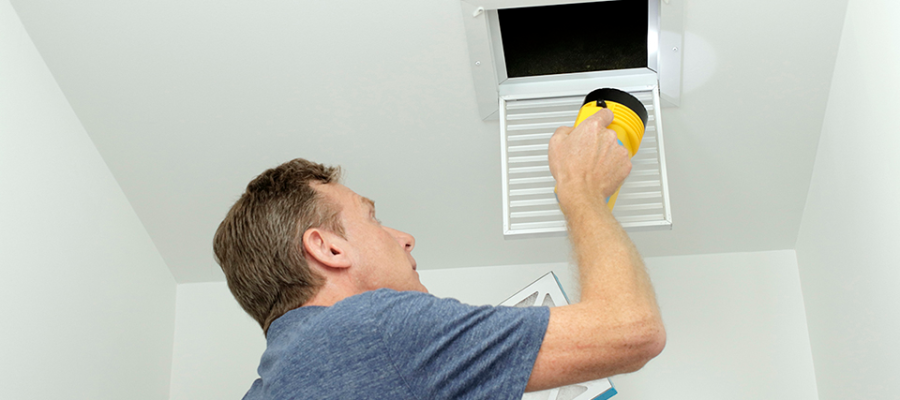
Here are some signs homeowners should pay attention to:
- Visible dust blowing out of vents: When your HVAC kicks on and you see a cloud of dust? That’s a red flag.
- Musty or moldy smells near vents: These odors often indicate microbial growth inside ductwork, especially in humid environments.
- Unusual allergy flare-ups or respiratory symptoms: If household members start coughing or sneezing more indoors, it may be time to investigate the duct system.
- Weak airflow in some rooms: Uneven distribution of air could point to buildup or blockages within the duct system.
- Rising energy bills with no other explanation: Blocked ducts force your HVAC to work harder, which can quietly drive up utility costs.
How to Know It’s Time for a Cleaning
While there’s no one-size-fits-all answer, most experts agree on a general guideline: every 3 to 5 years for the average home. However, some conditions call for more frequent cleanings:
Households With Pets
Pet hair and dander are magnets for dust mites and allergens. If you share your home with a furry companion, aim for cleaning every 2 to 3 years.
Post-Renovation Homes
Construction dust is notorious for lingering in vents and registers. After a remodeling project, it’s smart to clean out the ducts to prevent recirculation of debris.
Residents with Asthma or Allergies
Anyone with chronic respiratory issues may benefit from a cleaning every 2 years, or even annually in more severe cases.
Homes With Mold or Water Damage
If mold was discovered inside ductwork, that’s not something to wait on. A professional cleaning followed by proper sanitizing is necessary as soon as possible.
Older HVAC Systems
If your system hasn’t been maintained regularly or was previously neglected, a duct inspection and possible cleaning could improve performance and longevity.
What Happens If Air Ducts Are Not Cleaned?
Skipping cleaning for years might not cause immediate harm, but over time, buildup can create problems, such as:
- Contaminated indoor air filled with allergens and irritants.
- Reduced HVAC efficiency due to airflow restrictions.
- Higher operating costs as your system strains to regulate temperature.
- Premature wear and tear on HVAC components.
Best Way to Clean Air Ducts: What Experts Actually Do
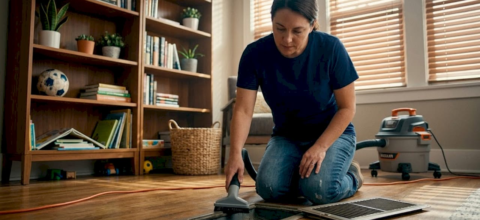
Professional cleaning involves more than a shop vac and a long hose. Trained technicians use high-powered vacuums, rotating brushes, and sometimes compressed air tools to dislodge and remove contaminants deep within the system.
If mold is present, an antimicrobial fogger or HVAC sanitizing service may be used to disinfect ducts post-cleaning. This is especially common in homes with water damage or after a known mold issue.
It’s also common for technicians to inspect or recommend coil cleaning if dust buildup has reached deeper parts of the HVAC system. Coils are crucial to cooling efficiency, and cleaning them can reduce strain on your AC unit.
Who Cleans Out Air Ducts?
Look for certified professionals—specifically those affiliated with NADCA or who follow EPA-recommended practices. Be cautious of low-cost ads circulating on social media. Many of these are tied to scams, especially offers with suspiciously low rates.
A reputable company will:
- Offer a thorough estimate before starting the job
- Explain their cleaning method in detail
- Use professional-grade tools and HEPA vacuums
- Not pressure you into unnecessary services
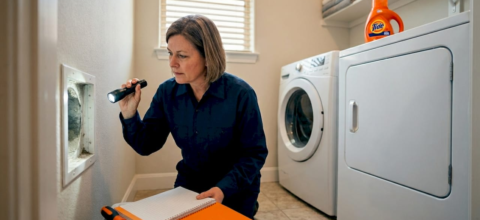
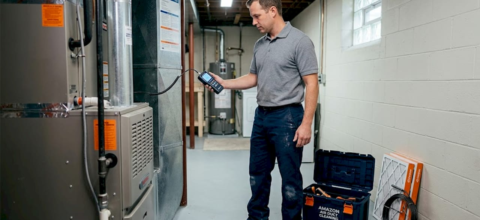
- Offer before-and-after visuals or photos of your system
Why Regular Cleaning Matters: Not Just About Dust
Having your HVAC system professionally serviced does more than just freshen the air. It supports your HVAC system’s overall health. Below are some lesser-known benefits of staying on top of duct maintenance:
1. Cleaner Air, Especially for Sensitive Lungs
Removing built-up contaminants like pollen, mold spores, and pet dander helps improve indoor air quality—especially important for kids, seniors, and anyone with asthma.
2. Improved HVAC Performance
Dust-covered ductwork can slow down airflow and put unnecessary stress on the blower motor. Clean ducts mean smoother operation and more consistent temperatures.
3. Lower Utility Bills
Better airflow = less effort from your heating and cooling systems. That translates into monthly savings over time.
4. Longer Equipment Lifespan
Systems that don’t overwork due to clogged ducts tend to last longer, reducing the need for expensive repairs or premature replacements.
Final Thoughts: Is Now the Right Time?
If you’re noticing unusual dust levels, inconsistent airflow, strange smells, or allergy symptoms inside your home, it may be time to clean out air ducts. While not a task that needs to be done every year, strategic, periodic cleanings based on your home’s unique needs can improve indoor air quality, cut utility costs, and support better health.
Instead of waiting until there’s a serious problem, consider adding duct cleaning to your seasonal home maintenance checklist—especially in fall or spring when HVAC use shifts.