Recognize Signs Your Ducts Need Cleaning for Healthier Air
TL;DR:
- Routine duct cleaning is generally unnecessary unless specific problems like mold or pests are present.
- Visible mold, vermin, or excessive debris release are key signs indicating cleaning is needed.
- Addressing root causes such as moisture, leaks, or pests is essential for effective long-term indoor air quality.
Most homeowners and business owners in New York, New Jersey, and Connecticut assume duct cleaning should be done on a regular schedule, like an oil change. But that assumption can cost you money and lead to unnecessary service calls. The EPA takes a clear position: cleaning is only warranted when specific, identifiable problems exist. Understanding exactly what those problems look like gives you real control over your indoor air quality, your budget, and your family’s or employees’ health. This article walks you through each warning sign so you can make an informed, confident decision.
Table of Contents
- Why routine duct cleaning isn’t always necessary
- Health symptoms linked to dirty ducts
- Visible mold growth and moisture in ducts
- Vermin infestations: When pests signal urgent action
- Our take: Why signs matter more than schedules
- Get professional help when signs appear
- Frequently asked questions
Key Takeaways
| Point | Details |
|---|---|
| EPA triggers only | Clean ducts only when you see mold, vermin, or excessive dust—not on a routine schedule. |
| Health symptom warning | Worsening allergies or breathing issues can signal dirty ducts impacting air quality. |
| Mold and moisture urgency | Visible mold or moisture means immediate duct cleaning or insulation replacement may be needed. |
| Pest infestation action | Rodent or insect presence in ducts requires prompt cleaning and sanitization. |
| Local moisture risk | Humidity in NY/NJ/CT accelerates mold risk, so check for leaks and moisture sources regularly. |
Why routine duct cleaning isn’t always necessary
It feels logical to assume that ducts get dirty over time and therefore need regular cleaning. But the evidence doesn’t support that assumption. The EPA air duct guidance is direct: no routine cleaning has been proven to prevent health problems. Cleaning is only recommended when specific triggers are present.
This is worth sitting with for a moment. Plenty of companies will tell you to clean your ducts every three to five years regardless of conditions. That advice isn’t backed by EPA or NADCA (the National Air Duct Cleaners Association) standards. It may generate service calls, but it doesn’t necessarily improve your air quality.
So what does trigger a legitimate need for cleaning? The EPA identifies three core conditions:
- Visible mold growth inside ducts or on HVAC components
- Vermin infestation, including rodents or insects, with droppings or nests present
- Excessive dust or debris being visibly released into your living or working space from supply registers
If none of these conditions exist, when to clean air ducts becomes a much simpler question: you probably don’t need to, at least not yet. That doesn’t mean ignoring your system. It means inspecting it with purpose rather than cleaning it on autopilot.
“Knowledge of dirty ducts signs is more valuable than a cleaning schedule. Cleaning without cause wastes money and can disturb settled dust, temporarily worsening air quality.”
The honest approach is to monitor your system, know what red flags look like, and act when those red flags appear. That’s what the rest of this article is designed to help you do.
Health symptoms linked to dirty ducts
Let’s move from general EPA guidance to the symptoms you might actually notice in your home or business. Health symptoms are one of the most telling, and most overlooked, indicators that something is wrong with your ductwork.
The EPA on health signs notes that worsening respiratory symptoms or frequent illnesses at home can suggest allergens, dust, or mold circulating through dirty ducts. But the key word is “suggest.” Symptoms alone don’t confirm a duct problem. You need to look for patterns.
Here are the health signals that point specifically toward duct contamination:
- Persistent allergy symptoms that worsen indoors but improve when you leave the building
- Unexplained coughing or sneezing that multiple people in the same space experience
- Asthma flare-ups that increase in frequency without a clear external cause
- Headaches or fatigue that appear consistently in one location and ease when you go outside
- Musty or stale odors coming from vents when the HVAC system runs
The pattern matters more than any single symptom. If one person in your household has seasonal allergies, that’s not a red flag for your ducts. But if everyone in the office starts coughing when the heat kicks on, that’s a different story.
The symptoms of dirty ducts are often subtle at first. They tend to build gradually, which is why many people connect them to other causes before suspecting their HVAC system.
Pro Tip: Keep a simple log of when symptoms appear and whether they correlate with your HVAC running. If there’s a consistent pattern, share it with a professional inspector before assuming you need a full cleaning.
For businesses in New Jersey, the NJ duct cleaning benefits extend beyond employee comfort. Poor indoor air quality has been linked to reduced productivity and increased sick days, making this a legitimate operational concern, not just a comfort issue.
Visible mold growth and moisture in ducts
Health symptoms are just one clue. Let’s look at what visible mold and dampness in your ducts tell you.

Mold inside ductwork is one of the clearest signals that cleaning, and possibly more, is needed. The EPA mold cleaning advice is specific: visible mold on hard surfaces inside ducts or HVAC components requires immediate attention. But not all duct materials respond the same way.
Here’s how to think about it:
- Hard metal surfaces with mold can often be cleaned effectively by a professional using appropriate methods.
- Fiberglass duct board or fiberglass insulation lining with mold growth cannot be cleaned effectively and must be replaced entirely.
- Leaky duct joints that allow humid air to enter create ongoing moisture conditions, meaning cleaning alone won’t solve the problem.
- Condensation around ducts in humid climates, common in NY/NJ/CT summers, can accelerate mold growth if not addressed at the source.
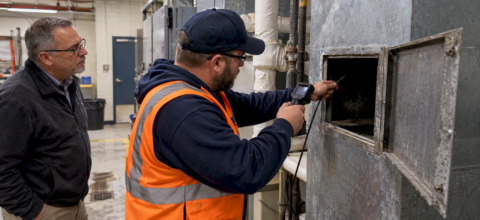
The detecting duct mold process starts with a visual inspection. Use a flashlight to examine accessible duct sections near registers and at the air handler. Look for dark patches, discoloration, or fuzzy growth on surfaces.

| Situation | Recommended action |
|---|---|
| Mold on metal duct interior | Professional cleaning required |
| Mold on fiberglass insulation | Replace the affected section |
| Leaky duct joints with moisture | Seal or repair before cleaning |
| Condensation without visible mold | Monitor and address humidity source |
The EPA guidance on porous materials is clear: porous fiberglass ducts with mold cannot be restored through cleaning. Replacement is the only effective solution. Understanding this distinction saves you from paying for a service that won’t actually fix the problem.
The duct cleaning process for mold situations also typically includes sanitization, not just debris removal. Make sure any contractor you hire addresses both steps.
Vermin infestations: When pests signal urgent action
Mold isn’t the only threat. Critters and pests can also compromise your air quality and system health in ways that demand immediate response.
Rodents and insects inside ductwork are a genuine public health concern. The EPA vermin guidance states that vermin infestation in ducts requires both cleaning and sanitization. Droppings, urine, and nesting materials can carry bacteria and allergens that circulate through your entire HVAC system every time it runs.
Here’s what to look for:
- Rodent droppings near registers, inside duct openings, or around the air handler
- Chewed insulation or duct material, which rodents use for nesting
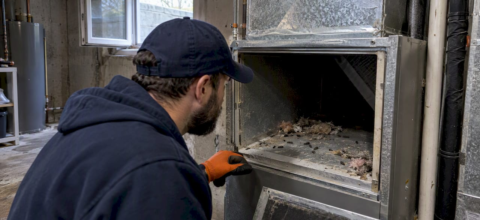
- Nesting debris such as shredded paper, fabric, or plant material inside ducts
- Scratching or rustling sounds coming from walls or ceiling areas where ducts run
- Unusual odors from vents, particularly a sharp, ammonia-like smell from rodent urine
| Sign observed | Urgency level | Action needed |
|---|---|---|
| Droppings near registers | High | Inspect ducts, call professional |
| Chewed duct material | High | Cleaning, sanitization, seal entry points |
| Nesting material inside ducts | Critical | Full cleaning, pest control, repairs |
| Sounds in duct areas | Moderate | Inspection first, then assess |
Pro Tip: Duct cleaning after a vermin infestation is only part of the solution. You also need to seal the entry points that allowed pests in. Without that step, the problem returns. A qualified contractor will identify gaps and recommend repairs alongside the cleaning service.
For commercial properties, this issue carries additional weight. Businesses in New York and New Jersey operating in food service, healthcare, or hospitality face regulatory requirements around indoor air quality. Commercial duct cleaning after a vermin event isn’t optional in those environments. It’s a compliance issue.
Local service areas like Paramus duct cleaning reflect the kind of targeted, regional expertise that matters when pests are involved. Local contractors understand the building types and seasonal pest patterns specific to the tri-state area.
Our take: Why signs matter more than schedules
After more than a decade of serving homeowners and businesses across New York, New Jersey, and Connecticut, we’ve seen a consistent pattern: people who clean on a schedule often spend money they don’t need to, while people who ignore genuine warning signs let small problems grow into expensive ones.
The honest truth is that the tri-state region’s humidity levels, especially during summer, create real conditions for mold growth in ductwork. That’s not a scare tactic. It’s a reason to inspect your system with intention, particularly after a humid season or a flooding event. Preparing for duct cleaning starts with knowing what you’re looking for, not just booking a service because it’s been a few years.
We recommend this approach: inspect first, clean when warranted, and always address the root cause. If moisture is getting into your ducts, cleaning without fixing the leak is a temporary fix at best. Our HVAC cleaning expertise is built around solving the actual problem, not just completing a service call.
Get professional help when signs appear
When you spot one or more of the warning signs covered in this article, acting promptly protects both your indoor air quality and your HVAC system’s performance.

Amazon Air Duct Cleaning serves homeowners and businesses across New York, New Jersey, and Connecticut with over 10 years of hands-on experience. Our team handles everything from professional duct cleaning to dryer vent and chimney cleaning for both residential and commercial clients. If you want a clear starting point, review the five key duct cleaning signs or work through our duct cleaning checklist to assess your situation before calling. We’re here to help you make an informed decision, not just schedule a service.
Frequently asked questions
How can I check for mold in my air ducts?
Use a flashlight to inspect accessible duct sections near registers and at the air handler, looking for dark patches or musty odors. If you find visible mold on surfaces, contact a professional immediately, and expect fiberglass insulation with mold to require full replacement rather than cleaning.
What are signs of vermin in ductwork?
Droppings, nesting material, or chewed insulation in or near ducts are clear indicators of rodent or insect activity. The EPA confirms that vermin in ducts require both cleaning and sanitization, along with sealing any entry points to prevent recurrence.
Should I clean my ducts if I don’t see any mold or pests?
Not necessarily. EPA guidance advises cleaning only when mold, vermin, or excessive debris is confirmed, since no routine cleaning has been proven to prevent health problems on its own.
Do humidity and leaks affect duct cleanliness?
Yes. High humidity and leaky duct joints create ongoing moisture conditions that promote mold growth. The EPA notes that porous fiberglass ducts with mold must be replaced, and leaky sections may need sealing or repair before or alongside any cleaning work.
Recommended
- 5 Signs Your Air Ducts Need Cleaning – Amazon Air Duct Cleaning
- How Do I Know I Need To Have My Air Ducts Cleaned – Amazon Air Duct Cleaning
- Top signs you need duct cleaning for better indoor air – Amazon Air Duct Cleaning
- Signs of Dirty Air Ducts – Amazon Air Duct Cleaning