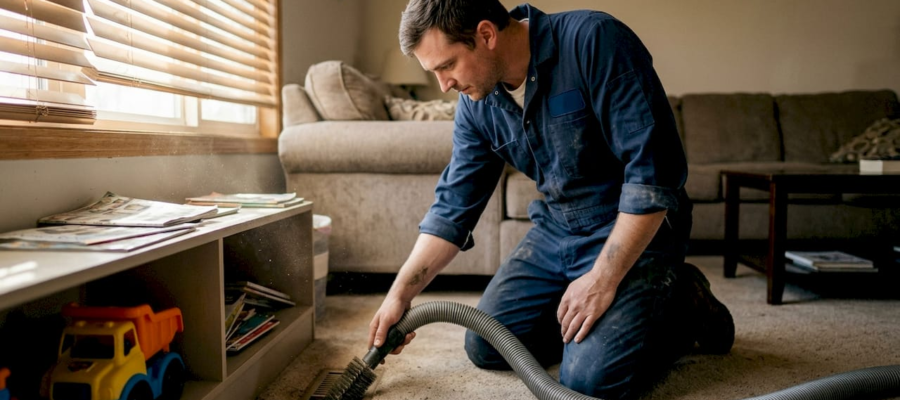
How to clean air ducts: step-by-step guide for healthier homes
Dirty air ducts do more than collect dust. They can quietly drive up your energy bills and push allergens, mold spores, and debris into the air your family or employees breathe every day. The EPA notes that contaminated ducts can contribute to poor indoor air quality and energy inefficiency, two problems that compound over time. This guide walks you through when cleaning is actually needed, what professionals use to do the job right, and what the process looks like from start to finish. Whether you own a home in New Jersey or manage a commercial building in Connecticut, this is the information you need to make a smart, informed decision.
Table of Contents
- When should you clean your air ducts?
- What tools and materials do professionals use?
- Step-by-step: The professional air duct cleaning process
- Common issues, troubleshooting, and edge cases
- What most guides miss about air duct cleaning
- Get professional air duct cleaning in NY, NJ, and CT
- Frequently asked questions
Key Takeaways
| Point | Details |
|---|---|
| Clean for contamination | Air duct cleaning is necessary when you see mold, pests, or severe dust buildup—not just as a routine task. |
| Professional standards matter | Certified technicians use specialized tools and proven techniques to protect your indoor air and investment. |
| Energy efficiency boost | Proper cleaning can reduce HVAC energy use and increase airflow by up to 46%, improving comfort and saving money. |
| Avoid risky chemicals | Don’t use biocides or sealants unless absolutely necessary; fix leak and moisture issues first for lasting results. |
When should you clean your air ducts?
Not every home needs duct cleaning on a regular schedule. That might surprise you, especially if you’ve seen ads pushing annual cleanings as essential maintenance. The reality is more nuanced, and recognizing duct cleaning needs correctly can save you money and prevent unnecessary disruption.
The EPA does not recommend routine air duct cleaning unless specific conditions are present. Those conditions include visible mold growth inside ducts or on HVAC components, evidence of pest or rodent infestation, and excessive dust or debris that is visibly blowing out of supply registers. If none of these apply to your system, cleaning may not add meaningful value.
That said, certain life events are worth paying attention to when deciding when to clean air ducts. These include:
- Moving into a previously owned home with no cleaning history
- Completing a major renovation that generated significant dust
- Noticing a sudden increase in allergy or respiratory symptoms indoors
- Finding your HVAC system running longer than usual to reach set temperatures
- Detecting musty or stale odors coming from vents
Worth noting: Energy and airflow improvements from duct cleaning are typically only measurable in systems that are genuinely contaminated. Cleaning a relatively clean system rarely produces noticeable results.
Understanding the importance of clean ducts is not about fear. It’s about knowing when the investment is genuinely justified. When the triggers above are present, cleaning delivers real value. When they’re not, you can hold off without worry.
What tools and materials do professionals use?
Once you’ve established that cleaning is needed, it’s worth understanding what separates professional service from a basic DIY effort. The gap is significant, and it comes down to equipment and methodology.
Professional cleaning relies on mechanical agitation combined with HEPA-filtered (High-Efficiency Particulate Air) vacuum extraction, following NADCA (National Air Duct Cleaners Association) standards. NADCA is the industry body that sets the benchmark for how duct cleaning should be performed. Source removal is the endorsed method for physically dislodging and extracting debris and contaminant buildup from duct walls.

Here’s a quick comparison of what professionals bring versus what a DIY approach typically covers:
| Tool or method | Professional service | DIY approach |
|---|---|---|
| Rotary brush system | Yes, full duct reach | No |
| Air whips and skipper balls | Yes | No |
| HEPA vacuum extraction | Yes, negative pressure | No |
| Coil and blower cleaning | Yes | Rarely |
| Register and vent cleaning | Yes | Yes |
| NADCA-compliant verification | Yes | No |
The core professional toolkit includes:
- Rotary brushes that scrub duct walls to loosen stuck-on debris
- Air whips and skipper balls that use compressed air to dislodge particles
- HEPA vacuums that create negative pressure, pulling loosened material out safely
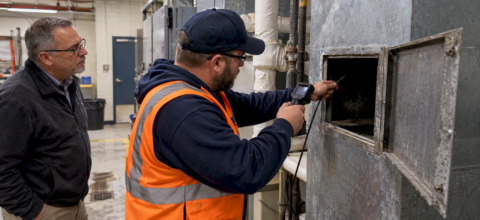
- Inspection cameras that verify cleanliness before and after service
- Access tools for cutting and resealing inspection ports in sheet metal ducts
Important: DIY cleaning is generally limited to wiping down registers and vacuuming visible vent openings. It does not address the interior duct surfaces where contamination actually builds up.
When preparing for cleaning, clearing access to vents and HVAC components helps technicians work efficiently and reduces the total service time. Following duct cleaning standards ensures the job is done safely and thoroughly.
Step-by-step: The professional air duct cleaning process
With tools and standards in mind, here’s how professionals clean air ducts from start to finish. Knowing each step helps you verify that the company you hire is doing the job correctly.
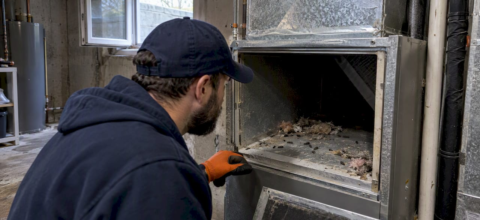
- Inspection: Technicians use cameras and visual checks to assess contamination levels, identify duct material, and locate access points. This step determines the scope of work.
- Containment setup: The HVAC system is isolated and supply and return registers are sealed to create negative pressure. This prevents debris from spreading into living or working spaces during cleaning.
- Mechanical agitation: Rotary brushes, air whips, or skipper balls are inserted into the duct network to loosen debris from duct walls. The method depends on duct material and contamination type.
- HEPA vacuum extraction: A high-powered HEPA vacuum connected to the main trunk line pulls all loosened debris out of the system. This is the core of source removal, the standard process that includes inspection, protection, agitation, and extraction.
- Component cleaning: The evaporator coil, blower motor, and drain pan are cleaned separately. These components accumulate biological growth and dust that the duct brushing alone won’t address. Cleaning these parts is where blower energy use can drop by 41 to 60% and airflow can increase by up to 46%.
- Verification: Post-cleaning inspection confirms that duct surfaces are visibly clean and that all access ports are properly resealed.
Pro Tip: Ask your technician to show you before-and-after camera footage. A legitimate company will have no hesitation doing this. If they resist, that’s a red flag.
| Cleaning phase | What it addresses | Measurable outcome |
|---|---|---|
| Agitation | Duct wall debris | Loosened contaminants |
| HEPA extraction | Particulate removal | Cleaner duct surfaces |
| Component cleaning | Coil, blower, drain pan | Energy and airflow gains |
| Verification | Full system check | Confirmed cleanliness |
Understanding ducts and air quality helps you see why each step matters. For commercial duct cleaning, the process scales up but follows the same core sequence.

Common issues, troubleshooting, and edge cases
The cleaning process isn’t always straightforward. Certain conditions require special handling before or during service, and skipping these steps can make problems worse rather than better.
Mold in ductwork is one of the most common concerns we hear about. Mold in air ducts must be addressed at the source. Cleaning alone won’t solve a mold problem if the underlying moisture issue remains. Before any cleaning takes place, the cause of moisture, whether it’s a leaking coil, poor insulation, or high indoor humidity, must be identified and corrected.
Fiberglass duct board requires a gentler approach. The EPA advises that fiberglass ducts with visible damage should be vacuumed carefully rather than brushed, since aggressive agitation can release fibers into the air stream. If the lining is deteriorating, replacement may be the safer option.
Pest infestations need to be resolved before cleaning begins. Cleaning ducts while an active infestation is present only redistributes the problem. A pest control professional should clear the system first.
Here are the key cautions to keep in mind:
- Do not allow technicians to apply chemical biocides or sealants inside ducts unless you have verified the specific need and reviewed the product’s safety data
- Avoid biocides and sealants unless moisture sources are resolved first; applying them to a damp system is ineffective and potentially harmful
- Sealants that coat duct interiors can trap debris and interfere with airflow if applied incorrectly
- Always ask for documentation of what products, if any, were applied in your system
Pro Tip: If a company pushes biocide treatments as a standard add-on without assessing your specific situation, treat that as a red flag. Genuine professionals recommend treatments only when the evidence supports it.
A trustworthy technician will walk you through any special conditions found during inspection and explain the recommended approach before starting work.
What most guides miss about air duct cleaning
Most articles on this topic either oversell routine cleaning or dismiss the practice entirely. Neither position is fully honest. The real picture sits in the middle, and it’s worth sitting with for a moment.
Many guides promote annual cleaning as standard practice. But the EPA and current research are clear that no conclusive health data supports routine cleaning for clean systems. The genuine gains, improved energy efficiency and better indoor air quality, show up in systems that are actually contaminated. That’s where targeted service delivers.
We’ve seen homeowners spend money on repeated cleanings that provided no measurable benefit, and we’ve seen others delay cleaning on systems with visible mold because they assumed it was unnecessary. Both mistakes are avoidable with accurate information.
The other thing guides miss is the danger of quick fixes. Sealants and biocides are sometimes marketed as upgrades, but they can mask problems rather than solve them. Root cause resolution, fixing moisture, sealing leaks, and removing contamination physically, is always the right approach. Check out expert cleaning advice for a deeper look at what the evidence actually supports.
Get professional air duct cleaning in NY, NJ, and CT
If your system shows any of the signs covered in this guide, the next step is a professional inspection from a team you can trust.

Amazon Air Duct Cleaning serves homeowners and businesses across New York, New Jersey, and Connecticut with NADCA-standard professional air duct cleaning that follows every step outlined here. Our team has over 10 years of experience handling everything from routine contamination to complex mold and pest situations. If you’re not sure whether your system needs attention, review the signs you need cleaning or explore our commercial duct cleaning services for business properties. We’re here to give you an honest assessment, not a sales pitch.
Frequently asked questions
How often should air ducts be cleaned?
Clean your ducts when mold, pests, or heavy dust buildup are present, not on a fixed annual schedule. The EPA does not recommend routine cleaning for systems without these specific conditions.
Can I clean air ducts myself?
You can clean registers and vent covers yourself, but full interior duct cleaning requires professional equipment. Mechanical agitation and HEPA vacuums are needed to properly remove debris from duct walls.
What results can I expect after cleaning?
For contaminated systems, expect improved airflow and potential energy savings. Research shows up to 46% airflow increase and blower energy savings of 41 to 60% after thorough cleaning.
Should biocides or sealants be used in air ducts?
Avoid them unless a verified need exists and the moisture source has been resolved. The EPA advises caution with these products and recommends addressing root causes before any chemical treatment.
Recommended
- Complete duct cleaning checklist: boost air quality 41% – Amazon Air Duct Cleaning
- Why Clean Air Ducts are Important? – Amazon Air Duct Cleaning
- The Air Duct Cleaning Process – Amazon Air Duct Cleaning
- Air ducts in HVAC: how they shape your indoor air quality – Amazon Air Duct Cleaning