Why Maintain Vents? Health, Safety, and Efficiency Insights
TL;DR:
- Routine air duct cleaning is unnecessary for health prevention unless specific contamination issues exist. Neglected vents can cause mold growth, pest infestations, and system strain, which impact indoor air quality and safety. Regular maintenance, including filter changes and humidity control, is more effective than scheduled deep cleaning for most households and businesses.
Most people assume that cleaning their air ducts and vents automatically means cleaner air and better health. That belief is worth pausing on. The EPA notes that routine air duct cleaning does not prevent health problems on its own, but specific situations make professional cleaning genuinely necessary. What truly protects your household or workplace is understanding the difference between routine maintenance and targeted cleaning, knowing when each applies, and taking the right action at the right time. This article walks you through that distinction with practical, evidence-backed guidance.
Table of Contents
- The real risks of neglected vents: More than just dust
- When is vent cleaning truly necessary? EPA and expert guidance
- Vent maintenance for better air quality: Strategies that work
- Dryer vents: The underestimated fire hazard
- Why most vent cleaning advice misses the point: A practical take
- Get expert vent and dryer maintenance help
- Frequently asked questions
Key Takeaways
| Point | Details |
|---|---|
| Routine cleaning rarely needed | Duct and vent cleaning is only necessary when there is mold, infestation, or excessive debris. |
| Ongoing maintenance protects health | Well-maintained vents help reduce allergens and keep indoor air safer for families and employees. |
| Dryer vents need yearly attention | Cleaning dryer vents annually is critical for preventing fire hazards in any property. |
| DIY isn’t always enough | When in doubt or faced with visible problems, professional inspection and cleaning are your best investment. |
The real risks of neglected vents: More than just dust
With misconceptions addressed, let’s break down what really happens when vent and duct maintenance is ignored. Most people picture dust when they think of dirty air ducts. The reality is more varied and, in some cases, more serious.

Poor vent upkeep creates several distinct problems. Dust buildup problems can restrict airflow and force your HVAC system to work harder, raising energy bills and shortening equipment life. But dust is just the beginning. Moisture accumulation inside ductwork can encourage mold growth, which then circulates spores through your living or working space. Gaps and cracks in ducts can also invite rodents and insects, turning your ventilation system into a habitat. According to the Washington State Department of Health, ventilation system maintenance is crucial for reducing health risks from airborne particles and infectious disease, a point equally relevant to schools, offices, and homes.
Common risks from neglected vents and ducts:
- Mold spores circulating through conditioned air
- Pest droppings and debris contaminating airflow
- Restricted airflow causing HVAC system strain
- Increased allergen levels affecting asthma and allergy sufferers
- Elevated humidity encouraging further biological growth
- Carbon monoxide risks if combustion appliance vents are blocked
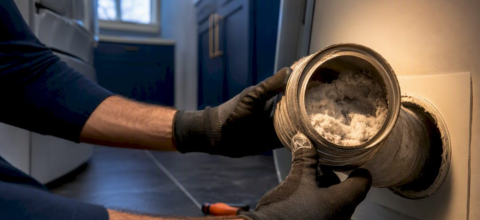
Dryer vents present an entirely different category of danger. Unlike HVAC ducts, which primarily affect air quality, a blocked dryer exhaust vent is a direct fire hazard. Clogged dryer vents increase the risk of fire, a risk that is well-documented and preventable with regular attention.

| Risk type | Air ducts (HVAC) | Dryer vents |
|---|---|---|
| Primary hazard | Air quality, allergens, mold | Fire from lint accumulation |
| Secondary concern | System efficiency, energy costs | Carbon monoxide buildup |
| Warning signs | Dusty registers, musty odors | Long dry times, hot exterior vent |
| Recommended action | Inspect, maintain; clean if contaminated | Clean annually or more often if needed |
| Consequence of neglect | Health effects, equipment failure | House fire, equipment damage |
Pro Tip: If you notice a musty smell when your HVAC kicks on, or if your dryer takes two cycles to dry a normal load, treat both as red flags worth investigating promptly rather than waiting for the next scheduled service.
Knowing when ducts need cleaning versus when basic maintenance is enough is the first real skill every homeowner or property manager should develop. Acting on real signals rather than a fixed calendar saves money and reduces unnecessary disruption.
When is vent cleaning truly necessary? EPA and expert guidance
Now that you understand what’s at stake, here’s when duct or vent cleaning goes from optional to essential. The EPA’s position is clear and worth repeating: the agency does not recommend routine air duct cleaning without specific contamination issues. This matters because many cleaning companies market their services as something every home needs on a fixed annual schedule. That framing is not supported by the evidence.
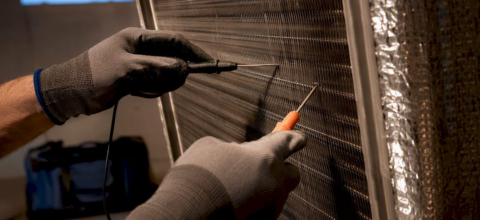
The distinction between routine maintenance and triggered professional cleaning is important. Routine maintenance includes tasks you or a service technician handle regularly: changing filters, clearing registers, checking damper function, and scheduling HVAC tune-ups. Professional duct cleaning becomes genuinely necessary when specific conditions exist that routine maintenance cannot address.
Situations that justify professional duct cleaning, per EPA and expert guidance:
- Visible mold growth inside ducts or on other components of your HVAC system
- Rodent or insect infestation confirmed inside the duct system
- Excessive debris or construction dust blocking airflow after a renovation
- Documented contamination from a flood or water intrusion event
- Occupant health symptoms that improve when away from the building and have no other explanation
Routine vent maintenance, by contrast, can actually be more effective than occasional deep cleaning for many common complaints. Odors from vents are often traced to a dirty filter or a stagnant drain pan, not contaminated ductwork. Increased dust on surfaces may mean a filter needs replacing, not a full duct cleaning.
| Situation | Routine maintenance | Professional duct cleaning |
|---|---|---|
| Dusty registers | Change filters, vacuum registers | Usually not needed |
| Musty smell from vents | Clean drain pan, check humidity | If mold is confirmed in ducts |
| Post-renovation dust | Change filters, wipe surfaces | If debris is inside ductwork |
| Vermin confirmed in ducts | Seal entry points | Yes, cleaning required |
| Allergy flare-ups | Upgrade filter, reduce humidity | Only if contamination confirmed |
Pro Tip: If you suspect your ducts need cleaning, document what you observe before calling a service provider. Photos of visible growth, pest evidence, or excessive debris give you a clear basis for the conversation and help you verify that the service recommended is genuinely appropriate for your situation.
Knowing the signs vents need cleaning keeps you from spending money unnecessarily while also making sure you don’t ignore a real problem. Getting expert recommendations on duct cleaning from a source you trust is always the right starting point.
Vent maintenance for better air quality: Strategies that work
Beyond just cleaning when there’s visible trouble, here’s how regular vent maintenance makes a daily difference. Ongoing maintenance is where most of the real health and efficiency benefits live, and it’s something you can largely control without waiting for a crisis.
“Maintaining humidity, filters, and ventilation reduces risks from airborne pollutants and allergens.” — Washington State Department of Health
That straightforward statement has real meaning for tri-state homeowners and business operators. The indoor environment is shaped daily by the choices you make around your HVAC system. Here’s what a practical maintenance routine looks like:
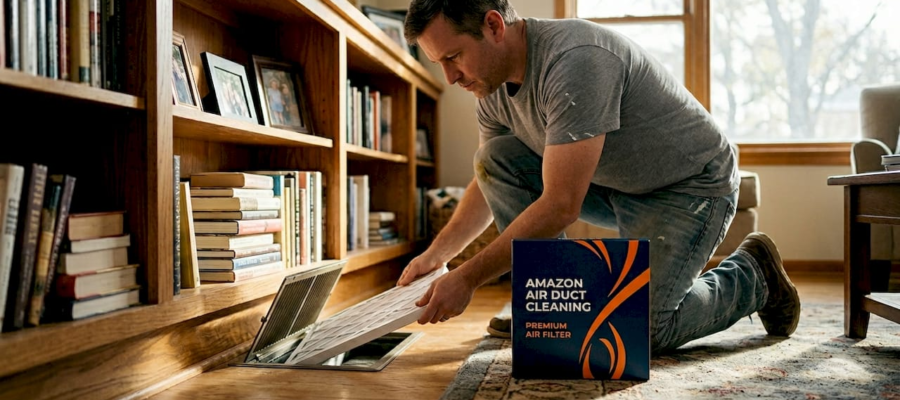
1. Check and replace air filters on schedule.
Most standard filters need replacement every 60 to 90 days. Homes with pets, allergy sufferers, or high occupancy may need monthly changes. A clogged filter forces your system to work harder and allows more particulate matter to bypass filtration entirely.
2. Keep supply and return registers clear.
Furniture, rugs, and curtains blocking registers disrupt airflow balance across rooms. Restricted airflow means some spaces never receive adequate ventilation, which can affect comfort and indoor air quality significantly.
3. Manage indoor humidity levels.
Keeping humidity between 30 and 50 percent discourages mold and dust mites, two of the most common indoor allergen triggers. A simple hygrometer (a humidity measuring device) can tell you where you stand. Dehumidifiers or whole-house humidifiers can help maintain that range.
4. Verify damper function seasonally.
Dampers control airflow to different zones in your system. A stuck or incorrectly set damper sends conditioned air to unoccupied rooms while leaving occupied areas uncomfortable and poorly ventilated.
5. Schedule professional HVAC tune-ups twice a year.
A trained technician can catch early problems, clean coils, check refrigerant levels, and confirm that your system is circulating air efficiently. This is different from duct cleaning and is something virtually every system benefits from.
The CDC notes that improving indoor air quality can meaningfully reduce asthma risk and other respiratory health concerns. For families with children, elderly members, or anyone with a respiratory condition, that connection is direct and important.
For businesses in New York, New Jersey, and Connecticut, the stakes are also professional. Poor air quality in a workplace has been linked to reduced productivity, increased sick days, and even regulatory concerns in certain industries. Understanding how vent hygiene and your health are connected gives you a framework for prioritizing investments in your building’s air systems. Applying simple indoor air quality tips consistently is often more impactful than any single cleaning service.
Dryer vents: The underestimated fire hazard
While HVAC vents impact air quality, your dryer vent carries a different, urgent safety risk. This is a point that does not get enough attention in general home maintenance conversations.
Every time your dryer runs, it pushes hot, moist air out through an exhaust vent. That air carries lint, which accumulates inside the vent duct over time. When enough lint builds up, it restricts airflow and creates a genuine ignition risk. The U.S. Fire Administration has documented thousands of dryer fires annually, and clogged dryer exhaust vents are identified as a clear, well-established cause.
Statistic: The U.S. Fire Administration estimates that dryers cause approximately 2,900 home fires each year, with failure to clean being the leading factor.
This is not a remote possibility. It’s a predictable outcome of deferred maintenance. And unlike a duct system contamination problem, which often develops gradually, a dryer vent fire can start quickly and spread fast.
Warning signs that your dryer vent needs attention:
- Clothes take longer than one cycle to dry fully
- The dryer or laundry room feels unusually hot during operation
- A burning smell during or after drying cycles
- The exterior vent flap does not open when the dryer is running
- Excessive lint accumulating around the dryer door or filter area
- It has been more than 12 months since the last vent cleaning
Proactive dryer vent maintenance is relevant beyond personal safety. Many homeowner’s insurance policies require that appliances be properly maintained. A documented history of annual dryer vent cleaning can support a claim in the event of a fire and may reduce liability. For commercial laundry facilities or multi-unit residential buildings in the tri-state region, professional cleaning schedules are often required by building codes.
Knowing how often to clean dryer vents for your specific situation, based on usage frequency and vent length, is more useful than a one-size-fits-all rule. A longer duct run collects lint faster. A family of five runs more laundry loads than a single occupant. Both factors affect your actual maintenance interval.
Why most vent cleaning advice misses the point: A practical take
With the distinctions between cleaning and maintenance clear, let’s explore a grounded, regional perspective.
After more than ten years of working inside homes and commercial buildings across New York, New Jersey, and Connecticut, one pattern stands out. Most customers come to us after one of two experiences: they either spent money on a cleaning they didn’t need, or they ignored their system for years and faced an emergency. The advice that drives both outcomes is the same: “get your ducts cleaned every year, no exceptions.”
That advice is too simple. And in trying to be simple, it actually leaves people less prepared.
What we’ve observed is that most people dramatically overestimate what a one-time duct cleaning does for their air quality. They underestimate, by an equal margin, what consistent filter changes, humidity management, and annual system checkups actually accomplish. The unsexy truth is that a home with mediocre ductwork but a well-maintained HVAC system will almost always outperform a home with professionally cleaned ducts and a neglected air handler.
The tri-state region adds specific wrinkles to this picture. Older buildings in New York City and its surrounding boroughs often have duct configurations that date back decades. High ambient humidity in summer months accelerates mold risk. Heating season in Connecticut and New Jersey means systems run hard for months without breaks, which increases filter loading and airflow strain. Seasonal tune-ups, filter checks before peak heating and cooling periods, and humidity monitoring matter more here than in drier, newer building stock.
The most useful practical HVAC maintenance habits are not glamorous. They’re consistent. They happen before the season changes, not in response to a problem. They’re documented, so you have a record when something does go wrong.
Pro Tip: Schedule your HVAC tune-up and vent inspection in early fall before heating season, and again in early spring before cooling season. This timing catches problems before they become emergencies and keeps your system running at peak efficiency when demand is highest.
The homeowners and business owners who get the most out of their HVAC investments are the ones who treat maintenance as a system, not a reaction. Cleaning is a tool within that system, not a substitute for it.
Get expert vent and dryer maintenance help
If you want professional help or deeper peace of mind, here’s how you can get started locally.
If you’ve read this far and recognized a warning sign in your own home or building, the next step is connecting with a service provider who will be honest about what you actually need. Not every issue requires professional intervention. But when it does, working with experienced technicians makes a real difference.

At Amazon Air Duct Cleaning, we’ve spent over a decade serving residential and commercial clients across New York, New Jersey, and Connecticut. We offer air duct cleaning services grounded in actual assessment, not sales pressure, along with thorough dryer vent cleaning services that address real fire risk. Our team understands the specific challenges of the region’s older buildings, high-humidity summers, and demanding heating seasons. Whether you’re a homeowner managing a single system or a property manager overseeing multiple units, our vent cleaning experts in NY and NJ are available to assess, advise, and act. Reach out to schedule a seasonal check before your next peak heating or cooling period.
Frequently asked questions
Does vent maintenance really affect my family’s health?
Proper vent and HVAC maintenance can meaningfully reduce exposure to dust, allergens, and airborne pollutants by improving how your system filters and circulates air. According to the Washington DOH, ventilation system maintenance is crucial for reducing health risks from airborne particles. Routine duct cleaning, however, is usually unnecessary unless specific contamination issues exist.
How often should dryer vents be cleaned in homes and businesses?
Most experts recommend cleaning dryer vents at least once per year to reduce fire risk and maintain efficiency. According to Better Homes & Gardens, clogged dryer exhaust vents increase fire hazard, and high-use households or longer duct runs may need more frequent attention.
What are the warning signs that my vents need professional cleaning?
Visible mold growth inside ducts, confirmed rodent or insect infestation, or heavy debris blowing from registers are the primary triggers. Musty odors and unusually long dryer cycle times are also reliable indicators. The EPA recommends cleaning specifically when visible growth, vermin, or excessive dust are confirmed in the system.
Is regular air duct cleaning recommended for all homes?
No. The EPA states clearly that routine air duct cleaning has not been proven to prevent health problems, and professional cleaning should only be done when triggered by specific contamination rather than on a fixed schedule.
Recommended
- Why Vent Hygiene Matters for Healthier Homes – Amazon Air Duct Cleaning
- Why clean vents before selling: boost value & appeal – Amazon Air Duct Cleaning
- Best vent cleaning schedules for properties: keep air safe – Amazon Air Duct Cleaning
- Step-by-step guide to building a vent cleaning plan – Amazon Air Duct Cleaning