Why clean vents before selling: boost value & appeal
TL;DR:
- Clean vents enhance home appeal, reduce negotiation risks, and improve sale speed.
- Proper vent cleaning addresses health, safety, and inspection concerns cost-effectively.
- Schedule professional vent cleaning one to two weeks before listing for best results.
You can repaint every wall, polish every fixture, and stage every room to perfection. But if a buyer walks in and notices a stale smell drifting from the vents, or a home inspector flags dusty, clogged ductwork, all that effort can work against you. Dirty air vents are one of the most commonly overlooked pre-sale details in New York, New Jersey, and Connecticut homes, yet they carry real weight with buyers and inspectors alike. This article covers why vent cleanliness matters before you list, the financial and health-related benefits, what the market data suggests, and how to get it done right.
Table of Contents
- How vent cleanliness impacts first impressions and value
- Health and safety: Why inspectors and buyers care about clean vents
- Financial benefits: Cleaning vents as a cost-effective pre-sale upgrade
- How to prepare and what to expect from a professional vent cleaning
- Perspective: Why most sellers underestimate vent cleaning and what really matters
- Ready to boost your property’s value? Book professional vent cleaning today
- Frequently asked questions
Key Takeaways
| Point | Details |
|---|---|
| Vent cleaning boosts value | Clean vents improve buyer perception, support higher offers, and speed up sales. |
| Reduces inspection issues | Professional cleaning prevents common air quality and safety problems flagged in home inspections. |
| Affordable return on investment | Compared to renovations, vent cleaning is a low-cost upgrade with high payoff. |
| Better air impresses buyers | Neutral, clean air helps your home stand out and feel truly move-in ready. |
How vent cleanliness impacts first impressions and value
After recognizing the hidden role of vents in a property’s appeal, let’s dig deeper into what buyers really see and sense, and how it translates to your bottom line.
Buyers form impressions fast. Research on consumer behavior consistently shows that people make judgments about a space within the first few seconds of entering it. Most sellers focus on what buyers see, but what they smell and feel in the air is just as powerful. A home that smells neutral and fresh signals cleanliness and good upkeep. A home with musty or stale air raises immediate doubt, even if the walls are freshly painted.
Clean indoor air can boost a home’s value and appeal to buyers in ways that are hard to quantify but very easy to feel. Real estate professionals in the tri-state area have noted that homes with documented HVAC and vent maintenance tend to attract more confident offers. Buyers feel less risk. And less perceived risk usually means less negotiation pressure on price.
The importance of air quality inside a home is often underestimated during the selling process. Vents that push out dusty or odor-laden air can undo the effect of every other improvement you’ve made. Common odor removal mistakes include masking smells with sprays or candles rather than addressing the source, which is often the ductwork itself.
Top vent-related buyer turn-offs:
- Visible dust buildup on vent covers
- Musty or stale odors near registers
- Discolored or grimy vent grilles
- Uneven airflow that suggests blockages
- Allergy-like symptoms during the walkthrough
Here’s a look at how vent condition can affect sale outcomes, based on industry trends in the residential market:
| Vent condition | Average days on market | Buyer negotiation rate | Perceived home quality |
|---|---|---|---|
| Dirty or neglected | 45-60 days | High (price reductions common) | Low |
| Cleaned before listing | 20-35 days | Low (fewer concessions) | High |
| Cleaned and documented | 15-25 days | Very low | Very high |
“A home that smells clean and moves air well tells buyers the whole system has been cared for. That confidence is worth real money at the closing table.”
The psychology here is straightforward. Buyers aren’t just purchasing walls and floors. They’re buying into a feeling of safety and quality. Clean vents are a quiet signal that the previous owner paid attention to the details that matter.
Health and safety: Why inspectors and buyers care about clean vents
Understanding emotional appeal is just the start. Now let’s tackle how health and safety concerns tied to vent cleanliness directly affect inspection results and negotiations.
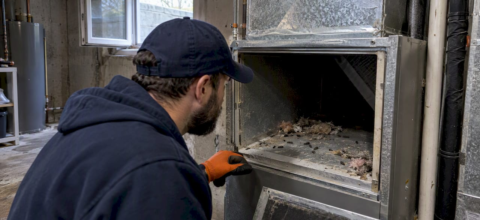
Dirty vents can hide mold, dust, and allergens that hurt air quality throughout the home. During a home inspection, a qualified inspector will often look at the visible condition of vents and registers, and some will note signs of mold growth, heavy dust accumulation, or moisture damage. Any of these findings can show up in the inspection report and become leverage for the buyer to request credits or repairs.

Buyers in New York, New Jersey, and Connecticut are increasingly asking sellers for air quality disclosures, especially in older homes where ductwork may not have been serviced in years. This is a trend worth taking seriously before you list.
Three top health and fire safety risks from dirty vents:
- Mold spores in ductwork can spread through the entire home when the HVAC system runs, triggering respiratory issues and creating a serious disclosure liability.
- Accumulated lint and debris in dryer vents is a leading cause of residential fires. The dryer vent safety risk alone is enough reason to address vents before a sale.
- Allergen buildup including pet dander, pollen, and dust mites can cause buyers to feel physically uncomfortable during showings, which directly affects their perception of the home.
Here’s how vent condition typically plays out in inspection reports:
| Inspection finding | Red flag outcome | Clean bill of health outcome |
|---|---|---|
| Visible mold on vents | Buyer requests remediation credit | No action required |
| Heavy dust on registers | Inspector flags HVAC maintenance concern | System noted as well-maintained |
| Lint buildup in dryer vent | Fire hazard notation, potential deal delay | Cleared and documented |
| Musty odor from vents | Buyer may walk away or renegotiate | Neutral air quality, buyer confidence |
Professional hazmat cleaning before inspections is sometimes recommended in extreme cases, but for most sellers, a standard professional vent cleaning is all it takes to clear potential red flags before they become negotiation problems.
Pro Tip: Schedule your vent cleaning before the home inspection, not after. Addressing it proactively means the inspector has nothing to flag, and you avoid the stress of reactive repairs under contract pressure.
Financial benefits: Cleaning vents as a cost-effective pre-sale upgrade
With safety and health covered, it’s time to sharpen your seller instincts and look at vent cleaning as an investment, one that can pay off big without a major renovation budget.
Small-scale home improvements like vent cleaning can lead to higher sale prices and fewer renegotiations. Professional air duct and vent cleaning for a standard residential home in the tri-state area typically costs between $300 and $600. Compare that to repainting a home (often $3,000 to $8,000) or replacing kitchen appliances ($2,000 or more), and the return on investment becomes very clear.
For easy air quality upgrades that don’t break the budget, vent cleaning consistently ranks near the top. It’s one of the few pre-sale tasks that addresses buyer psychology, inspector concerns, and actual home health all at once.
Other low-cost, high-value pre-sale preparations:
- Deep clean all registers and vent covers
- Replace HVAC filters with fresh, high-quality ones
- Have the dryer vent inspected and cleared
- Address any visible dust on baseboards and ceiling vents
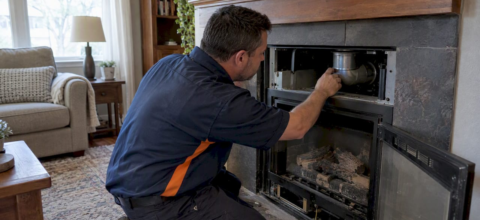
- Consider a chimney inspection if the home has a fireplace
Knowing how to remove vent dust properly before listing is a simple step that many sellers skip, yet buyers notice immediately during walkthroughs.
Pro Tip: List your vent cleaning service on your seller disclosure sheet with the date completed. This small detail signals to buyers that the home has been actively maintained, which reduces their perceived risk and can support your asking price.
| Financial factor | Without vent cleaning | With vent cleaning |
|---|---|---|
| Estimated service cost | $0 | $300 to $600 |
| Typical days on market | 45-60 days | 15-35 days |
| Buyer renegotiation risk | Higher | Lower |
| Buyer confidence level | Moderate | High |
| Potential price impact | Neutral to negative | Neutral to positive |
How to prepare and what to expect from a professional vent cleaning
Now that you’re convinced of the benefits, here’s how easy it is to get started and what you need to know to ensure a successful vent cleaning before listing.
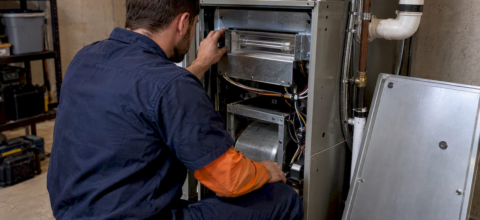
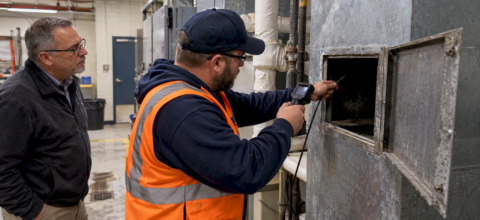
Not all cleaning providers offer the same results. Ask about tools, process, and guarantees before booking. A legitimate provider should use high-powered vacuum systems, rotary brushes, and inspection cameras to ensure thorough cleaning rather than just surface-level work.
Five steps to prepare for professional vent cleaning:
- Clear access to all vents. Move furniture, rugs, and storage away from registers and return air vents so technicians can reach every opening without delay.
- Make a list of known problem areas. If you’ve noticed musty smells, weak airflow, or visible dust in specific rooms, note them so the technician can prioritize those zones.
- Confirm the scope of work. Ask whether the service includes supply vents, return vents, and the main trunk lines. A thorough job covers the full system, not just the visible covers.
- Plan for 2 to 4 hours. Most residential vent cleaning appointments take between two and four hours depending on the size of the home and the number of vents. Schedule accordingly.
- Keep pets and children clear of the work area. Technicians use powerful equipment that stirs up dust and debris. A clear space makes the job faster and safer.
During the appointment, expect technicians to attach a large negative-pressure vacuum to the main duct line, then work through each vent with brushes and air tools to dislodge buildup. The step-by-step cleaning guide for residential systems gives a clear picture of what a proper service involves.
Red flags to watch for with low-cost or unqualified providers include vague pricing, no written scope of work, and no mention of the equipment they use. Avoid any company that can’t explain their process clearly.
Pro Tip: Schedule your professional vent cleaning at least one to two weeks before listing photos or open houses. This gives the air time to fully refresh and ensures results are at their best when buyers walk through.
Perspective: Why most sellers underestimate vent cleaning and what really matters
With all the practical steps covered, let’s take a step back and address why so many sellers miss this opportunity when it matters most.
In our experience working with homeowners across New York, New Jersey, and Connecticut, the pattern is consistent. Sellers invest heavily in what’s visible: new countertops, fresh paint, landscaping. These are the upgrades that feel satisfying and photograph well. Vent cleaning doesn’t make the staging photos. You can’t point to it during a showing. So it gets skipped.
But here’s what we’ve seen repeatedly. Buyers may not consciously think about the vents. They don’t walk in and inspect the registers. What they do is feel the air. They notice if the home smells neutral and fresh, or if something seems slightly off. That feeling sticks with them long after the showing ends, and it influences their offer.
The sellers who get the best outcomes are the ones who combine the visible upgrades with the invisible ones. Agent vent cleaning strategies consistently point to this combination as the difference between a home that sells quickly and one that lingers on the market.
Don’t be the seller who learns this lesson after the fact. The cost is low. The impact is real. And it’s one of the easiest wins available before you list.
Ready to boost your property’s value? Book professional vent cleaning today
Armed with expert insights, it’s time to make vent cleaning the easiest pre-sale value win you’ll ever choose.
At Amazon Air Duct Cleaning, we’ve spent over 10 years helping homeowners and sellers across New York, New Jersey, and Connecticut prepare their properties for confident, successful sales. Our air duct cleaning service and dryer vent cleaning are designed to address the exact concerns buyers and inspectors look for.

Not sure if your home needs it? Check the signs you need vent cleaning and see if your property qualifies. Our team handles both residential and commercial properties, uses professional-grade equipment, and provides documented results you can share with buyers. Booking is straightforward, and we work around your listing timeline to make sure everything is fresh before photos, showings, or open houses.
Frequently asked questions
Does cleaning vents really increase home value before a sale?
Yes, clean indoor air contributes to a better inspection, healthier air, and improved buyer impressions, which supports higher offers and faster sales.
How soon before listing should I have my vents cleaned?
Schedule professional cleaning one to two weeks before listing photos or showings to ensure maximum freshness and results that are visible during walkthroughs.
Will home inspectors check my vents?
Most inspectors note visible dust, mold, or buildup in vents and may flag air quality concerns that affect negotiations or require seller concessions.
Is professional vent cleaning better than DIY?
Professional services use specialized equipment for deeper cleaning and guarantee results, while DIY typically only addresses surface-level dust on vent covers.
What issues can dirty vents cause during a home sale?
Dirty vents can trigger negative buyer impressions, prompt inspection red flags, and lead to buyer requests for price credits or repairs before closing.
Recommended
- Vent cleaning tips for agents to boost property value – Amazon Air Duct Cleaning
- Clean vents, safe tenants: essential guide for property managers – Amazon Air Duct Cleaning
- THE IMPORTANCE OF HAVING YOUR DRYER VENTS CLEANED – Amazon Air Duct Cleaning
- How to remove dust from vents for cleaner indoor air – Amazon Air Duct Cleaning
- Why Spring Weather Makes Hidden Odors Worse in Abandoned Properties