The Real Role of Cleaning in Allergy Prevention
TL;DR:
- Cleaning significantly reduces indoor allergens like dust mites, mold, pet dander, and cockroach particles but does not eliminate allergy symptoms entirely.
- Effective allergy prevention requires targeted cleaning techniques, moisture control, and professional duct cleaning to manage allergen reservoirs.
If you’ve been scrubbing your home from floor to ceiling and still reaching for antihistamines every morning, you’re not doing it wrong. You may just be missing a few pieces. The role of cleaning in allergy prevention is real, but it’s more nuanced than most people expect. Cleaning reduces your exposure to key allergens like dust mites, mold, pet dander, and cockroach particles, but mixed clinical outcomes show that cleaning alone rarely eliminates symptoms entirely. This guide explains what actually works, what doesn’t, and how to build a strategy that makes a genuine difference in your home.
Table of Contents
- Key takeaways
- Common indoor allergens and what they do to your body
- Effective cleaning methods for reducing allergens at home
- Moisture control and mold prevention for allergy management
- How professional cleaning complements your home routine
- My honest take on cleaning for allergy prevention
- How Amazonairpro can support your allergy prevention plan
- FAQ
Key takeaways
| Point | Details |
|---|---|
| Cleaning reduces, not eliminates | Cleaning lowers allergen levels significantly but doesn’t guarantee symptom relief on its own. |
| Technique matters more than tools | Slow, deliberate vacuuming with HEPA filtration outperforms any vacuum used carelessly. |
| Moisture control is non-negotiable | Controlling humidity below 60% prevents mold regrowth that cleaning alone cannot stop. |
| Professional services fill the gaps | Air duct and HVAC cleaning targets allergen reservoirs that regular home cleaning cannot reach. |
| Combining methods wins | Multiple allergen reduction strategies together produce better results than any single approach. |
Common indoor allergens and what they do to your body
Before you can clean effectively, you need to know what you’re cleaning against. In homes across New York, New Jersey, and Connecticut, the most common indoor allergens fall into a predictable set of categories.
- Dust mites thrive in warm, humid bedding, carpets, and upholstered furniture. Their waste particles are a top trigger for year-round allergic rhinitis and asthma.
- Pet dander is not fur itself but microscopic skin flakes shed by cats, dogs, and other animals. It clings to fabrics, circulates through HVAC systems, and lingers long after a pet has left a space.
- Mold spores grow wherever moisture collects. Basements, bathrooms, and poorly ventilated kitchens in older Northeast housing stock are especially vulnerable.
- Cockroach allergens are a serious but underacknowledged trigger, particularly in urban apartments in New York City. Their saliva, feces, and shed body parts become airborne and persist even after extermination. Standard cleaning partially controls cockroach allergens, but multiple interventions are needed to reduce them meaningfully.
- Pollen enters your home through open windows, doors, clothing, and HVAC intake vents. In CT, NJ, and NY, tree pollen peaks in spring, grass in early summer, and ragweed from late August through October.
When you inhale or contact these particles, your immune system treats them as threats. It releases histamine and other chemicals that cause sneezing, itchy eyes, nasal congestion, and in more serious cases, asthma flares. The goal of cleaning is to reduce the total load of these particles in your home so your immune system isn’t constantly overwhelmed.
Effective cleaning methods for reducing allergens at home
This is where the actual work happens. Not every cleaning method is equally effective, and some habits that feel thorough can actually spread allergens rather than remove them.
Vacuuming the right way
The type of vacuum you own matters less than how you use it. Research confirms that proper vacuuming technique reduces airborne allergens more effectively than the vacuum model itself. Move slowly over carpeted areas, allowing the suction to draw particles up fully rather than pushing them around. That said, using a vacuum with a HEPA filter or double-layered bags does reduce the allergens that escape back into the air during the process. Vacuum high-traffic areas and carpets at least twice per week, and don’t neglect upholstered furniture.
Pro Tip: After vacuuming, wait 20 minutes before dusting. This gives any disturbed particles time to resettle onto surfaces where a damp cloth can capture them.
Surface wiping and wet cleaning
Dry dusting is one of the most common mistakes allergy sufferers make. Feather dusters and dry cloths simply relocate particles into the air. A microfiber cloth lightly dampened with water or an unscented cleaner is far more effective at trapping and removing allergens. For kitchen and bathroom surfaces, the wash-rinse-sanitize-air dry method used in food safety settings has been shown to remove allergens more completely than dry wiping alone.

Laundry and bedding protection
Dust mites concentrate in bedding. Here’s a practical sequence to follow every week:
- Wash all bedding, including pillowcases and duvet covers, in hot water at 130°F (54°C) or higher.
- Dry on high heat for at least 20 minutes after items feel dry to kill any remaining mites.
- Encase mattresses and pillows in allergen-proof covers with zipper closures and a pore size below 10 microns.
- Wash stuffed animals and fabric curtains monthly using the same hot wash cycle.
- Replace pillows every one to two years, even with encasements.
Choosing the right cleaning products
Fragrance is a trigger in its own right for many allergy sufferers. Strongly scented sprays, candles, and cleaning products release volatile organic compounds that irritate airways even when the underlying allergens are reduced. Choose fragrance-free, dye-free detergents and cleaners. Avoid ammonia-based products in poorly ventilated spaces. The goal is to reduce total chemical load in your indoor air, not just the biological one.

Moisture control and mold prevention for allergy management
Cleaning a mold problem without addressing the moisture that caused it is like mopping up a slow leak without fixing the pipe. The EPA’s guidance is direct: fix water sources first and dry areas quickly, ideally within 24 to 48 hours of any water event. Mold regrowth is driven by moisture, and cleaning without moisture control leads to recurrence every time.
For homes in New York, New Jersey, and Connecticut, this is particularly relevant. Older construction, basement apartments, and humid summers create ideal conditions for mold. Here’s what to prioritize:
- Keep indoor humidity below 60%, and ideally between 30% and 50%. Use a hygrometer (a simple, inexpensive device) to monitor levels in different rooms.
- Run exhaust fans in bathrooms and kitchens for at least 15 minutes after showers and cooking.
- Use a dehumidifier in basements during summer months.
- Inspect window seals, pipe connections, and roof areas seasonally. Any slow moisture intrusion feeds mold before you can see it.
- For hard surfaces with minor mold growth, clean with detergent and water, then dry thoroughly. Porous materials like ceiling tiles, drywall, or carpet with visible mold growth may need to be discarded rather than cleaned, since spores penetrate deeply and cleaning rarely removes them fully.
Pro Tip: A humidity and mold connection that many homeowners overlook: even after visible mold is removed, elevated humidity alone can re-establish spore colonies within days. Control the air, not just the surface.
How professional cleaning complements your home routine
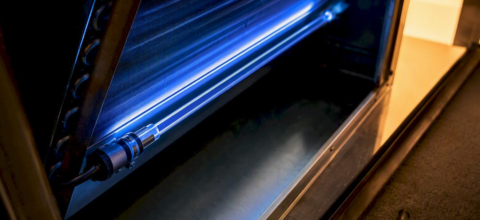
There’s a ceiling to what home cleaning can accomplish. Your HVAC system circulates air through every room, and the ducts that carry that air accumulate dust, dander, mold spores, and debris over time. Professional air duct cleaning reduces allergen reservoirs that standard vacuuming and surface cleaning simply cannot access.
The table below helps clarify when home cleaning is enough and when professional service adds real value:
| Situation | Home cleaning adequate? | Professional service recommended? |
|---|---|---|
| Routine dust and surface allergens | Yes | Optional |
| Dust mites in carpets and bedding | Mostly, with HEPA vacuuming | Duct cleaning helps prevent redistribution |
| Pet dander in living areas | Partial, needs consistency | Duct cleaning removes accumulated dander |
| Mold on non-porous surfaces | Yes, with moisture control | Needed if mold is in ducts or HVAC |
| Cockroach allergen in urban apartments | Partial, requires pest control too | Duct and surface professional cleaning advised |
| Visible debris in vents or musty air odor | No | Yes, promptly |
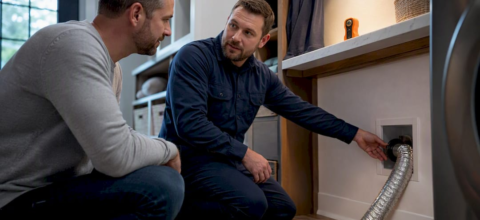
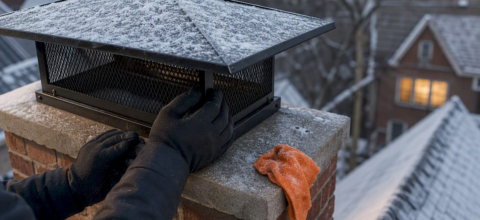
Dryer vent and chimney cleaning also play a role that most allergy sufferers don’t consider. Clogged dryer vents trap moisture, which encourages mold. A dirty chimney can backflow combustion byproducts and particles into your living space. Addressing these systems as part of your overall allergen removal strategy covers angles that vacuuming your bedroom simply won’t.
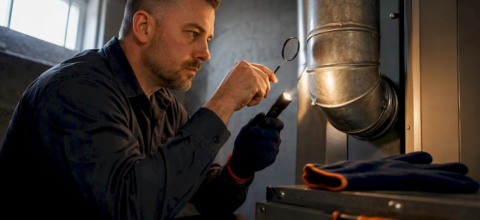
Signs your home likely needs professional attention include: persistent musty odors even after cleaning, visible dust released from vents when the HVAC runs, allergy symptoms that worsen primarily indoors, and any history of water damage or mold in your duct system.
My honest take on cleaning for allergy prevention
I’ve worked with enough homes in New York, New Jersey, and Connecticut to say this plainly: the allergy sufferers who struggle most are usually doing too much of one thing and not enough of another. They’re vacuuming daily but sleeping on bare, un-encased mattresses. Or they’re obsessing over surface cleanliness while ignoring the dehumidifier that’s been sitting in a box since last winter.
The impact of cleaning on allergies is real, but chasing perfection in cleaning routines burns people out without delivering proportional relief. What I’ve found consistently is that consistency in a few targeted areas beats exhaustive cleaning sessions every few weeks. Wash the bedding hot every week. Keep the bathroom dry. Use a HEPA vacuum on the right schedule. Don’t neglect the air you’re breathing.
The other mistake I see regularly is treating air quality as separate from surface cleanliness. Your ducts are part of your home’s cleaning equation. If you haven’t had them inspected in several years, or if someone in your home has worsening symptoms without a clear cause, that’s worth investigating before you buy another air purifier. HEPA air cleaners can reduce indoor particles significantly, but even that doesn’t always translate to symptom relief on its own.
My honest advice: build a sustainable routine, control your moisture, and get your ducts and vents professionally checked. That combination will do more for most people than any single product or cleaning overhaul.
— Victor
How Amazonairpro can support your allergy prevention plan

If your home cleaning routine is solid but your allergy symptoms haven’t improved, your HVAC system may be working against you. Amazonairpro provides professional air duct and HVAC cleaning for residential and commercial clients across New York, New Jersey, and Connecticut. With over 10 years of experience, the Amazonairpro team removes the allergen buildup inside your duct system that no household vacuum can reach. From dryer vent cleaning to chimney cleaning, Amazonairpro helps you cover every part of your indoor environment. If you’re unsure whether your ducts need attention, check the signs you need duct cleaning to find out.
FAQ
Does cleaning actually reduce allergy symptoms?
Cleaning reduces your exposure to key allergens like dust mites, pet dander, and mold, which can lower symptom frequency and severity. However, reduced allergen levels don’t always guarantee clinical symptom improvement, so combining cleaning with other strategies is recommended.
What cleaning methods work best for dust mites?
Washing bedding weekly in water at 130°F or higher, encasing mattresses and pillows in allergen-proof covers, and vacuuming slowly with HEPA filtration are the most effective dust mite controls available for home use.
How does moisture control relate to allergy cleaning?
Mold spores are a potent allergen, and mold grows wherever moisture persists. The EPA recommends drying wet areas within 24 to 48 hours and keeping indoor humidity below 60% to prevent mold from returning after cleaning.
When does professional duct cleaning help with allergies?
Professional duct cleaning is worth considering when you notice musty odors, dust released from vents during HVAC operation, or when allergy symptoms worsen consistently indoors. It removes accumulated allergen reservoirs that routine home cleaning cannot address.
Are fragrance-free cleaners better for allergy sufferers?
Yes. Scented cleaning products release volatile organic compounds that irritate airways independently of biological allergens. Fragrance-free, dye-free products reduce the total chemical load in your indoor air, which matters when you’re already managing a sensitive respiratory system.
Recommended
- Allergen removal in ducts: improve indoor air quality – Amazon Air Duct Cleaning
- How to Prevent Fall Allergies and Kill Dust Mites – Amazon Air Duct Cleaning
- Eliminate Dust Mites in Ventilation Systems for Cleaner Air – Amazon Air Duct Cleaning
- What is HVAC cleaning? The complete guide for healthier air – Amazon Air Duct Cleaning