Does duct cleaning help with allergies? What homeowners should know
TL;DR:
- Duct cleaning generally does not improve allergy symptoms unless mold, pests, or heavy debris are present.
- Visible mold, pest infestation, or debris blowing from vents are key indicators for necessary duct cleaning.
- Most effective allergy relief methods focus on filter changes, humidity control, and surface cleaning.
If you’ve been sneezing your way through spring in New York or waking up congested in your New Jersey home, it’s tempting to blame your air ducts. Duct cleaning is widely marketed as a solution for allergy sufferers, but the science tells a more complicated story. The EPA states that duct cleaning hasn’t been shown to prevent health problems or conclusively reduce particle levels in living spaces. That doesn’t mean duct cleaning is never worthwhile. It means the decision deserves more thought than a sales pitch. This article breaks down what the evidence actually says and when cleaning your ducts genuinely matters for your health.
Table of Contents
- How air ducts relate to indoor allergies
- When duct cleaning is necessary for health and allergies
- Alternatives and complementary strategies for allergy relief
- What experts and the industry say about duct cleaning for allergies
- A homeowner’s perspective: What really works for allergies
- Connect with trusted duct cleaning experts
- Frequently asked questions
Key Takeaways
| Point | Details |
|---|---|
| Routine cleaning not needed | Most experts do not recommend routine duct cleaning for allergy relief unless EPA-listed issues are present. |
| Trigger events matter | Duct cleaning is useful when there is visible mold, vermin, or heavy dust buildup, not as a general allergy solution. |
| Focus on alternatives | Changing filters, managing humidity, and cleaning surfaces are more effective at improving indoor air quality for allergy sufferers. |
| Experts differ | Industry groups promote duct cleaning; health authorities urge caution and prioritize source control for allergy management. |
How air ducts relate to indoor allergies
Your HVAC system circulates air throughout your home, pulling it through return vents, filtering it, conditioning it, and pushing it back out through supply vents. Along the way, dust, pollen, pet dander, and mold spores can settle inside the ductwork. It sounds alarming, but here’s what most people miss: the majority of that debris sticks to duct surfaces and stays there. It doesn’t freely float back into your living room.
Air quality experts agree that duct cleaning provides no measurable benefit for allergies or asthma because much of the dust stays adhered to duct walls and doesn’t circulate. This is a finding worth sitting with for a moment, especially if you’ve been told that dirty ducts are the root cause of your symptoms.
The allergens most likely to affect you at home include:
- Dust mites: Microscopic creatures that thrive in bedding, upholstery, and carpets, not primarily in ducts
- Mold spores: Can grow in ducts if moisture is present, but more commonly found in bathrooms, basements, and around leaky windows
- Pet dander: Lightweight and sticky, it settles on surfaces throughout the home
- Pollen: Enters through open windows and doors, and can be carried on clothing
Understanding air ducts and indoor air quality means recognizing that ducts are one piece of a larger puzzle. They can contribute to poor air quality under specific conditions, but they are rarely the primary source of allergy triggers in a well-maintained home.
“Routine duct cleaning is not a proven strategy for allergy relief. The evidence simply doesn’t support it as a first-line intervention for most households.”
This doesn’t mean you should ignore your ducts entirely. Learning about dust in ducts can help you understand the difference between normal accumulation and genuinely problematic buildup. The key is knowing when that buildup crosses a line that actually affects your health.
| Common allergen source | Location in home | Duct cleaning impact |
|---|---|---|
| Dust mites | Bedding, carpets, upholstery | Minimal to none |
| Mold spores | Bathrooms, basements, ducts (if wet) | Moderate if mold is in ducts |
| Pet dander | Furniture, floors, air | Minimal |
| Pollen | Entryways, windows, clothing | Minimal |
When duct cleaning is necessary for health and allergies
The general science may lean toward skepticism, but there are specific situations where duct cleaning is genuinely the right call. The EPA has identified clear trigger events that justify professional cleaning, and these aren’t vague or subjective.
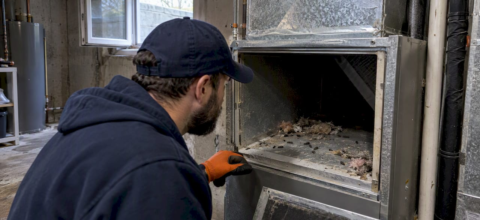
According to the EPA, duct cleaning is recommended only when there is substantial visible mold growth inside hard surface ducts, an infestation by vermin such as rodents or insects, or ducts clogged with excessive dust and debris that is visibly being released into the living space.
These are meaningfully different from “my house feels dusty” or “I’ve had the same ducts for ten years.” They represent conditions where the duct system is actively contributing to poor air quality.
Here’s how to think about it:
| Consider duct cleaning if… | You can probably skip it if… |
|---|---|
| You see visible mold inside ducts | Ducts look dusty but no visible mold |
| Rodents or insects have been in the system | You haven’t had a pest problem |
| Debris is visibly blowing from vents | Air flow seems normal |
| Recent renovation left heavy construction dust | No recent major construction |
| You moved into an older home with unknown history | Home is well-maintained with regular filter changes |
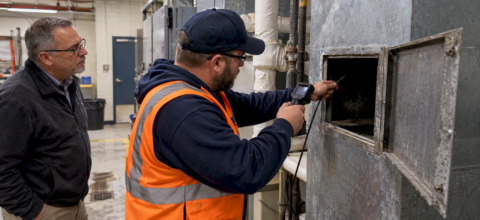
If you’re unsure about when to clean air ducts, a visual inspection is always a reasonable first step.
If you do find one of these trigger conditions, here’s what to do:
- Confirm the issue visually before calling anyone. Use a flashlight to look inside accessible vents.
- Address the root cause first. If mold is present, find and fix the moisture source. If pests were in the system, have them removed before cleaning.
- Hire a certified professional. Look for contractors who follow NADCA (National Air Duct Cleaners Association) standards.
- Request documentation. A legitimate company will show you before-and-after photos and explain what was found.
Pro Tip: Before scheduling a duct cleaning, remove a vent cover and shine a flashlight inside. If you see obvious debris, dark staining, or signs of pests, that’s a genuine red flag worth acting on. If it just looks dusty, you may be better served by other strategies.

Alternatives and complementary strategies for allergy relief
For most allergy sufferers in New York, New Jersey, and Connecticut, the most impactful changes happen outside the ductwork entirely. These strategies are well-supported by evidence and are often more cost-effective than a full duct cleaning.
Change your HVAC filters regularly. This is the single most effective thing you can do for indoor air quality. A MERV 8 to MERV 13 filter traps pollen, dust mite debris, and pet dander before they recirculate. Check your filter monthly and replace it at least every 90 days, more often if you have pets or live in a high-pollen area.

Control indoor humidity. Dust mites and mold both thrive when indoor humidity exceeds 50%. A simple hygrometer costs less than $20 and lets you monitor levels. Running a dehumidifier in basements or humid rooms can meaningfully reduce the allergen load in your home.
Clean vents and registers. The metal covers over your supply and return vents collect dust and can release it when air flows through. Wipe them down monthly with a damp cloth. This is a five-minute task that most people overlook.
Additional strategies worth considering:
- Vacuum with a HEPA-filter vacuum at least weekly
- Wash bedding in hot water (130°F or higher) weekly
- Keep windows closed during high-pollen days
- Use air purifiers with HEPA filters in bedrooms
- Reduce clutter, which collects dust
Research on impermeable bedding covers for dust mite allergies shows limited benefit for allergic rhinitis on its own, which tells you something important: even well-intentioned single interventions often fall short. Combining multiple strategies consistently is what actually moves the needle.
For practical guidance, these easy air quality tips and a solid duct cleaning checklist can help you build a routine that addresses your home’s specific needs.
Pro Tip: Set a recurring monthly reminder to check your air filter. It takes 30 seconds, and a clogged filter is one of the most common and easily fixable causes of poor indoor air quality.
What experts and the industry say about duct cleaning for allergies
There’s a genuine split in the professional world on this topic, and it’s worth understanding both sides.
The duct cleaning industry, represented by NADCA, advocates for regular cleaning as part of a proactive approach to indoor air quality. Their position is that clean ducts support better system performance and reduce the overall dust load in a home. They recommend cleaning every three to five years as a general guideline.
On the other side, contrasting expert views from the EPA, the American College of Allergy, Asthma and Immunology (ACAAI), and the Asthma and Allergy Foundation of America (AAFA) are more cautious. These organizations emphasize source control: cleaning surfaces, managing humidity, and replacing filters rather than focusing on ducts.
“The most effective allergy management strategies address where allergens actually live, which is usually not inside your ductwork.”
How do you apply this in your own home? Here’s a practical approach:
- Start with source control. Address bedding, carpets, and surfaces before considering ducts.
- Upgrade your filter. Move to a higher MERV rating if your system supports it.
- Inspect your ducts honestly. Use the EPA’s trigger criteria, not a salesperson’s checklist.
- Consult a trusted HVAC professional. Ask them to evaluate your specific system, not just quote a cleaning.
- Consider duct cleaning only when justified. If you meet one of the EPA’s trigger conditions, act. If not, invest that money in filters, humidity control, or a good air purifier.
A reliable air duct cleaning guide can help you understand what professional service actually involves, and building better HVAC habits for allergy relief is a strong foundation regardless of whether you schedule a cleaning.
A homeowner’s perspective: What really works for allergies
Here’s an honest take based on years of working with homeowners across New York, New Jersey, and Connecticut: most people who call us expecting duct cleaning to solve their allergy symptoms are disappointed, not because we did poor work, but because the ducts weren’t the problem to begin with.
The homeowners who see real improvement are the ones who treat indoor air quality as a system, not a single fix. They change filters on schedule. They run a dehumidifier in the summer. They vacuum regularly and keep humidity in check. Duct cleaning, when it’s genuinely needed, becomes one part of that system, not the whole answer.
We’ve also seen cases where duct cleaning made a real difference: homes with rodent infestations, post-renovation cleanups, or older buildings where mold had taken hold inside the ductwork. In those situations, cleaning isn’t optional. But those are specific, identifiable problems, not routine maintenance.
If your HVAC system is spreading pollen through your home, the fix is often as simple as a better filter and a consistent maintenance schedule. Trust the evidence, and trust professionals who are willing to tell you when you don’t need a service.
Connect with trusted duct cleaning experts
Now that you understand the difference between myth and evidence, you’re in a much better position to make a smart decision for your home.

If your home has one of the EPA’s trigger conditions, or if you’ve moved into an older property and genuinely don’t know what’s inside your ducts, professional air duct cleaning from a certified team is absolutely the right move. Amazon Air Duct Cleaning serves homeowners and renters across New York, New Jersey, and Connecticut with over 10 years of experience. We’ll give you an honest assessment, not a sales pitch. Not sure if you need service? Check the signs you need duct cleaning before you call, so you come to the conversation informed.
Frequently asked questions
Does duct cleaning reduce indoor allergens?
Duct cleaning rarely reduces allergens unless there is mold, vermin, or major dust buildup actively releasing debris into your living space. For most homes, filter changes and surface cleaning are more effective.
How can I tell if my ducts need cleaning for allergy relief?
Look for visible mold, signs of pests, or debris visibly blowing from vents. The EPA’s trigger criteria are the clearest guide: if none of those conditions apply, focus your efforts on filters and humidity control instead.
What alternatives to duct cleaning improve indoor air quality?
Regularly changing air filters, cleaning vent covers, controlling indoor humidity below 50%, and using HEPA vacuums are all proven steps. Impermeable bedding covers can help with dust mites, though research shows their benefit is limited when used alone.
Is routine duct cleaning recommended by health experts?
Health experts do not recommend routine duct cleaning for allergy management. Expert consensus points to source control, including cleaning surfaces and upgrading filters, as the more effective approach for most households.
Can duct cleaning help with asthma symptoms?
Duct cleaning offers no measurable benefit for asthma unless a clear EPA-listed issue is present in the ductwork. Managing humidity, upgrading filters, and reducing surface allergens are more reliably effective strategies.
Recommended
- Understanding Dust in Ducts: Improve Your Home’s Air Quality – Amazon Air Duct Cleaning
- When to Get Your Air Ducts Cleaned, According to Pros
- Complete duct cleaning checklist: boost air quality 41% – Amazon Air Duct Cleaning
- Why Clean Air Ducts are Important? – Amazon Air Duct Cleaning
- How cleaning improves your health and wellness in LA