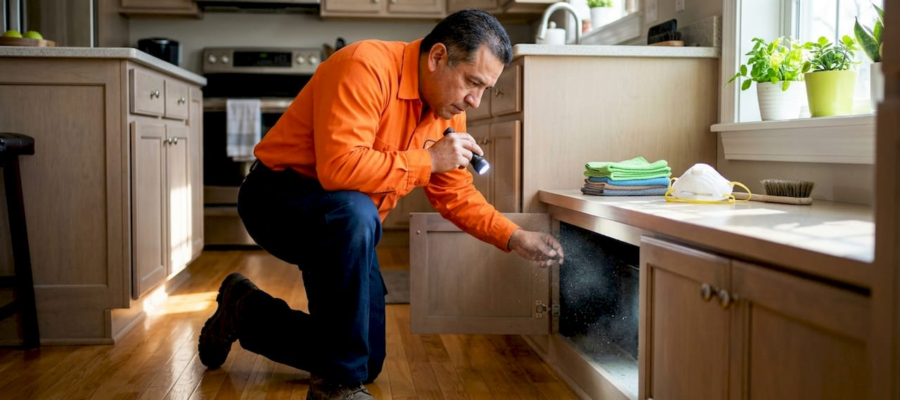
Educational List of Duct Cleaning Risks for Homeowners
TL;DR:
- Duct cleaning poses risks such as dust redistribution, damage to flexible ducts, and chemical exposure when improperly performed. The EPA recommends cleaning only with clear evidence of mold, vermin, or heavy dust release to avoid unnecessary hazards. Qualified providers follow strict guidelines, using HEPA filtration and addressing moisture sources to ensure safe and effective service.
Duct cleaning risks are defined as the potential negative impacts on indoor air quality, human health, and HVAC system integrity that arise from improper cleaning practices or unaddressed underlying conditions. The EPA states that duct cleaning has never been conclusively shown to prevent health problems or reduce airborne particle levels in homes. That finding is worth sitting with for a moment. This educational list of duct cleaning risks is designed to help homeowners and property managers in New York, New Jersey, and Connecticut make informed decisions before scheduling any service.

1. Dust redistribution into living spaces
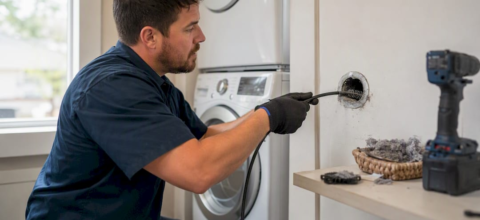
Poor-quality cleaning releases more dust than leaving ducts alone. The EPA warns directly that inadequate vacuum collection systems are a primary failure point, pushing loosened particles back into your home rather than capturing them. When a technician agitates debris inside the ductwork without proper containment, every room connected to that system becomes a potential dust deposit zone. You may finish the cleaning session with worse air quality than when you started.
Pro Tip: Ask your provider whether their vacuum exhausts indoors or outdoors. If it exhausts indoors, confirm it uses HEPA filtration. No HEPA filter means no real containment.
2. Structural damage to flexible ductwork
A 2026 peer-reviewed study found that negative-pressure duct cleaning damages flexible HVAC ducts, causing seam failures, liner perforations, and disconnections. The critical detail is that this damage is mostly internal and not visible during a routine inspection. You would not see it, but your energy bills and comfort levels would reflect it. Flexible ducts are common in residential properties across the Northeast, making this risk especially relevant for homeowners in NY, NJ, and CT.
3. HVAC system damage from improper tools
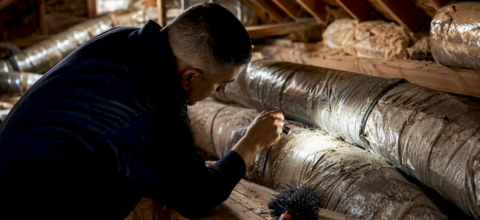
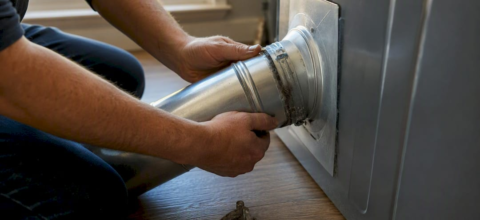
Improper cleaning tools cause broken seams, loosened connections, and compromised coatings inside duct systems. Rigid metal ducts are more forgiving, but even they can sustain dents or dislodged insulation when technicians use aggressive mechanical brushes without proper technique. The downstream effect is reduced airflow, increased energy consumption, and a shortened system lifespan. Protecting your HVAC investment starts with understanding what the cleaning process actually involves.
Pro Tip: Before any cleaning begins, ask the technician to identify your duct type. Flexible ducts require gentler methods than rigid sheet metal ducts. A provider who treats both the same way is a red flag.
4. Chemical exposure from biocides and disinfectants
The EPA notes that biocides used in duct cleaning may pose health risks including eye, nose, and skin irritation. No biocides are registered for use on fiberglass duct surfaces, which are found in many older homes in the Northeast. Chemical residues from disinfectants and pesticides can linger in the airstream and circulate through your home long after the technician leaves. Homeowners with children, elderly residents, or anyone with respiratory conditions face the greatest exposure risk.
5. Biological contamination from disturbed mold and vermin
Cleaning ducts that contain active mold or vermin infestations without proper containment spreads contaminants rather than removing them. Rodent droppings carry hantavirus, and cockroach debris is a potent allergen that worsens asthma symptoms. Disturbing these materials without negative-pressure containment and proper personal protective equipment releases pathogens and allergens directly into your living space. The cleaning itself becomes the hazard.
6. How improper cleaning worsens indoor air quality
Poor-quality duct cleaning creates a predictable chain of events that degrades indoor air quality. Here is how that chain unfolds:
- A technician agitates debris inside the ductwork using brushes or compressed air.
- The vacuum system lacks HEPA filtration or sufficient suction to capture loosened particles.
- Dust, mold spores, and allergens migrate through the duct system and into occupied rooms.
- Residents breathe elevated concentrations of contaminants for days or weeks after the service.
- The underlying cause of contamination, such as moisture intrusion or a vermin entry point, remains unaddressed.
“Duct cleaning is not a preventive health measure. The main risks arise from improper cleaning releasing dust or damaging equipment rather than from dirty ducts themselves.” — EPA guidance on indoor air quality
This sequence explains why the EPA recommends cleaning only when there is clear evidence of mold, vermin, or heavy dust release from registers. Without a genuine trigger, the risks of cleaning can outweigh any benefit.
7. Moisture and mold recurrence after cleaning
Cleaning ducts that contain mold without fixing the moisture source guarantees the problem returns. Unaddressed moisture drives mold growth that no cleaning service can permanently resolve. A provider who cleans visible mold without identifying the leak, condensation issue, or humidity problem is delivering a temporary fix at best. Mold confirmation also requires laboratory analysis or clear visual evidence before any remediation begins, per EPA guidance. Accepting a verbal claim of mold without documentation is a financial and health risk.
8. Inadequate containment and dust migration
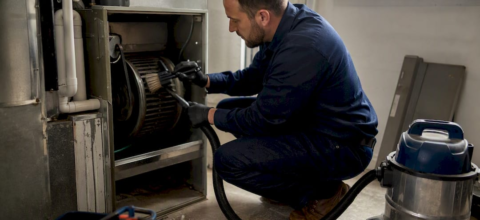
NADCA, the industry body for air duct cleaning professionals, specifies that vacuum equipment must use HEPA filtration when exhausting indoors. That standard exists because incomplete containment is the most common mechanism for indoor dust contamination during a cleaning job. When a provider skips this requirement, every register in your home becomes a potential release point for loosened debris. Property managers overseeing multi-unit buildings in New Jersey or New York face compounded exposure risk because one cleaning job can affect multiple tenants simultaneously.
9. Cleaning without a legitimate trigger
Scheduling duct cleaning without a genuine reason is itself a risk category. The EPA recommends cleaning only with evidence of substantial mold growth, vermin infestation, or heavy dust release from registers. Routine cleaning on a fixed schedule, absent any of these conditions, exposes your ductwork and HVAC system to unnecessary physical stress. You also risk hiring a provider whose business model depends on selling services regardless of need, which correlates with lower-quality work and higher pressure tactics.
How to reduce duct cleaning hazards before you hire
Knowing the risks is only useful if you act on them. Use this comparison to evaluate any provider before you commit.
| Trait | Safe practice | Red flag |
|---|---|---|
| Vacuum system | HEPA-filtered, negative pressure | Exhausts indoors without filtration |
| Duct type assessment | Identifies flexible vs. rigid before starting | Uses same method for all duct types |
| Mold claims | Requires lab confirmation or clear visual evidence | Claims mold without documentation |
| Moisture source | Identifies and recommends repair | Cleans without addressing root cause |
| Biocide use | Discloses chemicals and health risks | Applies disinfectants without disclosure |
| Credentials | NADCA-certified or verifiable training | No certifications, no references |
You can also review signs that justify cleaning before contacting any provider. Understanding when cleaning is genuinely warranted protects you from unnecessary services and their associated risks. For a deeper look at what proper equipment looks like, the HEPA vacuum standards used by qualified providers are a useful reference point.
Key takeaways
Duct cleaning carries real risks when performed improperly, and the EPA confirms it is not a routine preventive health measure.
| Point | Details |
|---|---|
| Dust redistribution is the top risk | Inadequate vacuum systems push loosened particles back into living spaces during cleaning. |
| Flexible ducts need special care | 2026 research confirms negative-pressure cleaning causes internal structural damage to flexible ductwork. |
| Biocides carry health risks | EPA warns that chemical disinfectants used in ducts can cause irritation and leave harmful residues. |
| Mold requires lab confirmation | Never authorize mold remediation based on a verbal claim alone; require documented evidence first. |
| Fix moisture before cleaning | Cleaning mold without addressing the moisture source guarantees recurrence. |
What I’ve learned from years of watching duct cleaning go wrong
The most common mistake I see homeowners make is treating duct cleaning like a routine maintenance task, similar to changing an air filter. It is not. Duct cleaning is a conditional service. It makes sense under specific circumstances: confirmed mold, a verified vermin infestation, or visible heavy debris coming from registers. Outside of those conditions, the risks of disturbing a settled system often outweigh any benefit.
The second pattern I notice is that homeowners focus on price rather than process. A low quote frequently signals a provider who skips HEPA filtration, rushes through flexible duct sections, or applies biocides without disclosure. The damage from that approach shows up months later in higher energy bills, recurring allergy symptoms, or an HVAC repair call.
My honest recommendation is this: be skeptical of any provider who recommends cleaning without first inspecting your system and identifying a specific trigger. Ask for credentials. Ask about their vacuum setup. Ask whether they will identify your duct type before starting. A trustworthy provider welcomes those questions. One who deflects them is telling you something important.
The industry is evolving. The 2026 research on flexible duct damage is a significant development that responsible providers are already incorporating into their methods. Homeowners who understand these risks are better positioned to hold providers accountable and protect their homes.
— Victor
Amazonairpro follows the standards that reduce these risks
Amazonairpro serves homeowners and property managers across New York, New Jersey, and Connecticut with professional air duct cleaning that follows EPA and NADCA guidelines. Every job uses HEPA-filtered vacuum systems to contain loosened debris rather than redistribute it. The team assesses duct type before selecting cleaning methods, which means flexible ducts receive the gentler approach the 2026 research recommends.

Amazonairpro also addresses moisture sources and documents conditions before recommending any remediation. If your ducts do not need cleaning, the team will tell you. That transparency is the foundation of every service call. To find out whether your system genuinely warrants cleaning, use the duct cleaning checklist or contact Amazonairpro directly to schedule an inspection.
FAQ
Is duct cleaning safe for my home?
Duct cleaning is safe when performed by a qualified provider using HEPA-filtered vacuum equipment and duct-appropriate methods. The EPA warns that improper cleaning can release more dust than it removes and cause HVAC damage.
When does the EPA recommend duct cleaning?
The EPA recommends cleaning only when there is confirmed mold growth, a verified vermin infestation, or heavy dust visibly releasing from registers. Routine cleaning without these triggers is not supported by current evidence.
Can duct cleaning damage my ductwork?
A 2026 peer-reviewed study confirmed that negative-pressure cleaning causes internal structural damage to flexible ducts, including seam failures and perforations. Rigid metal ducts are more durable but can still sustain damage from aggressive tools.
What are the health risks of duct cleaning chemicals?
The EPA identifies biocides used in duct cleaning as potential irritants affecting the eyes, nose, and skin. No biocides are registered for use on fiberglass duct surfaces, making chemical disclosure from your provider a non-negotiable requirement.
How do I know if my ducts actually need cleaning?
Look for visible mold at registers, evidence of rodent or insect activity, or heavy dust blowing from vents during normal operation. If none of those conditions exist, review the signs your ducts need cleaning before scheduling any service.
Recommended
- Is Duct Cleaning Necessary? What Homeowners Should Know – Amazon Air Duct Cleaning
- Complete duct cleaning checklist: boost air quality 41% – Amazon Air Duct Cleaning
- Why Clean Air Ducts are Important? – Amazon Air Duct Cleaning
- Duct cleaning terminology explained: a homeowner’s guide – Amazon Air Duct Cleaning