Air Quality Testing Cost: What Homeowners Pay in 2026
TL;DR:
- Professional air quality testing costs between $150 and over $2,000, depending on scope and property type. DIY kits are cheaper but often produce unreliable results, risking unnecessary or missed remediation. Upgrading to professional testing is essential when health symptoms persist or legal compliance is required.
Air quality testing cost is the total expense you pay to identify indoor pollutants like mold, radon, VOCs, carbon monoxide, and allergens through sampling, lab analysis, and professional assessment. For most homeowners and business owners in New York, New Jersey, and Connecticut, professional residential testing runs $292 to $585, with comprehensive audits reaching $1,000 or more. Knowing what drives that number helps you spend wisely and protect the people inside your building.
What factors influence air quality testing cost?
The price you pay depends on several concrete variables, not just the size of your home or office.

Test type and contaminant scope drive the biggest cost differences. A single-parameter radon test starts near $150. A full indoor air quality (IAQ) audit covering mold, VOCs, asbestos, carbon monoxide, and allergens can exceed $1,200 to $2,000. Each additional contaminant requires its own sampling method and lab analysis, which adds time and expense.
Property size and access complexity also matter. More square footage means more sample points. Hard-to-reach areas like crawl spaces, attics, or sealed mechanical rooms require extra labor. Labor and lab fees together make up roughly 60%–80% of your total professional testing bill. Rush lab processing and difficult-access sampling can add $50–$400 on top of the base price.
Here is a breakdown of the main cost drivers:
| Cost Factor | Typical Impact |
|---|---|
| Single-parameter test (e.g., radon) | $150–$300 |
| Multi-parameter residential audit | $292–$585 |
| Comprehensive full-scope assessment | $1,000–$2,000+ |
| Rush lab processing | $50–$200 extra |
| Hard-to-access area sampling | $100–$400 extra |
Regional pricing also plays a role. Coastal metro areas like New York City, northern New Jersey, and Fairfield County, CT pay 10%–25% more than the rural Midwest baseline. Urban labor rates and travel fees push costs higher in these markets.

Pro Tip: Ask your testing provider for an itemized quote before booking. A transparent breakdown of labor, sample count, and lab fees tells you immediately whether the price is fair.
DIY kits vs. professional testing: which is worth the cost?
The upfront price difference between DIY and professional testing looks significant. DIY home air quality test kits range from $15 to $200, not including lab fees. Consumer electronic IAQ monitors cost $50 to $300 and show trend data over time. Professional testing starts around $150 for a single test and scales up from there.
The real cost comparison, though, is about accuracy and what you do with the results.
Consumer-grade IAQ monitors drift and produce unreliable readings over time. They require professional calibration to stay accurate, especially in symptomatic or complex situations. DIY kits often produce vague data. That vagueness leads to a real financial risk: low-cost DIY kits frequently trigger unnecessary, expensive remediation work because the results are ambiguous or misleading.
Professional testing avoids that trap. Professional samples are analyzed by scientists using industrial-grade equipment. The results are specific, defensible, and paired with a clear diagnosis of the contamination source. You get a conflict-free roadmap, not just a number on a screen.
Here is how the two approaches compare:
| Criteria | DIY Kits and Monitors | Professional Testing |
|---|---|---|
| Upfront cost | $15–$300 | $150–$2,000+ |
| Lab analysis included | Often extra | Included |
| Accuracy | Variable, can drift | Calibrated, consistent |
| Diagnostic value | Presence only | Source identification |
| Risk of false results | High | Low |
| Actionable remediation plan | No | Yes |
The DIY vs. professional decision comes down to stakes. If you are screening for a single concern in a healthy home, a DIY kit is a reasonable starting point. If you have persistent symptoms, a recent water event, or a legal or compliance need, professional testing is the only reliable option.
Pro Tip: Start with a $30–$50 radon test kit from a hardware store if radon is your only concern. If results are elevated or symptoms persist, escalate to a certified professional immediately.
What does indoor air quality testing actually cost by property type?
Residential and commercial properties face different scopes, and that difference shows up in the price.
Residential homes
For a single-family home in the NY, NJ, or CT area, a focused single-parameter test (radon, mold, or carbon monoxide) runs $150–$300. A mid-range assessment covering three to five contaminants typically costs $292–$585. A full IAQ audit with multiple sample points, lab analysis, and a written report can reach $1,000 or more. Older homes with suspected asbestos or lead add another layer of specialized testing cost.
Commercial properties
Commercial air quality testing supports compliance with ASHRAE 62.1 ventilation standards and OSHA workplace air quality requirements. These assessments go well beyond pollutant sampling. They measure airflow rates, ventilation consistency, and pressure differentials across zones. That added complexity pushes commercial testing costs higher than residential, often starting at $500 and scaling with building size and the number of zones tested. For businesses in New York or New Jersey, regulatory compliance is not optional, which makes professional-grade commercial testing a legal necessity, not just a preference.
Additional costs to budget for across both property types include:
- Rush lab turnaround fees ($50–$200)
- Sampling in confined or hard-to-access spaces ($100–$400)
- Written remediation reports or expert consultations (varies by provider)
- Follow-up clearance testing after remediation
Understanding common indoor pollutants before you book helps you narrow the scope and avoid paying for tests you do not need.
How to budget for indoor air quality testing effectively
Budgeting for IAQ testing is straightforward when you approach it in stages.
-
Identify your symptoms or triggers first. Persistent headaches, allergy flare-ups, musty odors, or recent flooding are all red flags that point to specific contaminants. Knowing your concern narrows the test scope and controls cost.
-
Start with a targeted, affordable test. Cost-effective testing starts with monitors and radon tests, then escalates to professional assessment if symptoms persist or initial results are concerning. A $30 radon kit or a $100 mold test is a reasonable first step for a healthy home with a single concern.
-
Budget for lab fees separately. Many DIY kits advertise a low purchase price but require a $30–$100 lab fee to get actual results. Factor that into your total before comparing prices.
-
Set aside a contingency fund. Add 20% to your estimated testing budget for potential add-ons like rush processing, extra sample points, or a follow-up consultation. Surprises are common in older buildings.
-
Know when professional testing is non-negotiable. Persistent symptoms after simple testing warrant upgrading to professional-grade testing for reliable diagnosis. Legal transactions, tenant complaints, and post-remediation clearance all require certified professional results.
Good building ventilation practices reduce the frequency of testing you need over time. A well-maintained HVAC system with clean ductwork produces fewer contaminant surprises.
Pro Tip: If you own a commercial property in NY, NJ, or CT, schedule IAQ testing annually. ASHRAE 62.1 and OSHA standards create real liability exposure if air quality issues go undocumented.
Key Takeaways
Professional air quality testing costs $150–$2,000+ depending on test scope, property type, and whether you choose DIY kits or certified professional assessment.
| Point | Details |
|---|---|
| Cost range by scope | Single-parameter tests start at $150; full audits reach $1,000–$2,000+. |
| Labor and lab fees dominate | These two line items make up 60%–80% of professional testing costs. |
| DIY kits carry hidden risks | Vague results from cheap kits often lead to unnecessary and costly remediation. |
| Metro NY, NJ, CT pricing | Expect to pay 10%–25% more than the national baseline due to urban labor rates. |
| Stage your testing | Start targeted and escalate to professional assessment only when symptoms or results demand it. |
What I have learned after years of watching homeowners make this decision
Victor here. After working in the indoor air quality and HVAC cleaning space for over a decade, I have seen one pattern repeat itself constantly. Homeowners buy a $25 test kit, get a vague reading, panic, and spend $3,000 on mold remediation that was never needed. The kit said “elevated,” but elevated compared to what? Without a calibrated baseline and a trained eye on the building, that number means almost nothing.
The uncomfortable truth is that cheap testing is not always affordable testing. The real cost of a low-quality test is not the $25 you spent. It is the $3,000 remediation job you authorized based on ambiguous data, or the health problem you missed because the kit could not detect the actual source.
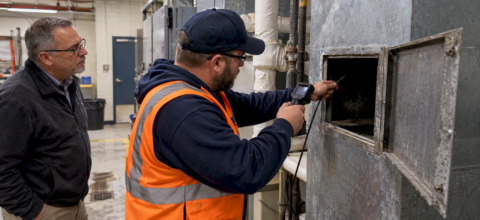
Lab numbers alone are insufficient. The combination of lab results with a building science evaluation, including a look at your HVAC system, ductwork, and pressure imbalances, is what delivers a real answer. Professional-grade testing includes visual inspections of HVAC, ductwork, and pressure differentials, connecting lab data with real-world sources.
My honest recommendation: use DIY tools to screen, not to diagnose. If you find something concerning, or if your family has been experiencing unexplained symptoms, call a certified professional. View the cost as an investment in knowing the truth about your home, not as an expense to minimize.
— Victor
Amazonairpro services that support cleaner indoor air
Testing tells you what is in your air. Cleaning is what fixes it.

When testing reveals contaminated or restricted airflow, dirty ductwork is often the source. Amazonairpro’s team of certified technicians has over 10 years of experience serving homeowners and businesses across New York, New Jersey, and Connecticut. After testing identifies an issue, professional air duct cleaning removes the accumulated debris, mold spores, and allergens that testing flagged. For commercial properties, Amazonairpro also provides commercial duct cleaning in NY and NJ to support ASHRAE and OSHA compliance. Clean ducts mean your testing investment translates into real, lasting air quality improvement.
FAQ
How much does a basic air quality test cost?
A single-parameter residential test, such as radon or carbon monoxide, starts near $150. DIY kits range from $15 to $200 before lab fees.
Is professional air quality testing worth the higher price?
Professional testing provides calibrated, source-specific results analyzed by scientists, which prevents costly remediation mistakes that vague DIY results often cause.
How much does commercial air quality testing cost?
Commercial IAQ assessments typically start at $500 and scale with building size and compliance scope, including ASHRAE 62.1 and OSHA requirements.
Why is air quality testing more expensive in New York and New Jersey?
Coastal metro areas like NYC and northern NJ pay 10%–25% more than the national baseline due to higher urban labor rates and travel fees.
When should I upgrade from a DIY kit to professional testing?
Upgrade to professional testing when symptoms persist after initial screening, when results are ambiguous, or when legal, tenant, or compliance requirements apply.
Recommended
- 2026 HVAC Cleaning Costs: Ducts, Coils, Dryer Vents & More
- The Role of Air Quality in Real Estate: 2026 Guide – Amazon Air Duct Cleaning
- Air Duct Estimated Cost – Amazon Air Duct Cleaning
- How Much Does It Cost to Get Air Ducts Cleaned in 2025?