Air Conditioner Repair or Replace: 2026 Decision Guide
TL;DR:
- The $5,000 rule and the 50% rule help determine whether to repair or replace an air conditioning system based on costs and age.
- However, factors like system age, refrigerant type, and energy efficiency often influence the final decision.
- Proper maintenance can extend AC life and improve repair outcomes, while available incentives lower replacement costs.
The air conditioner repair or replace decision is best guided by two industry rules: the $5,000 rule and the 50% rule. Both give you a financial threshold to cross-check before writing a check to any HVAC technician. Homeowners and business owners in New York, New Jersey, and Connecticut face this choice every summer, often under pressure when a system fails on the hottest day of the year. Getting the decision right means weighing AC repair costs, system age, refrigerant type, and available tax credits before committing either way.
What is the $5,000 rule and the 50% rule for AC repair vs. replace?
Two formulas define how the HVAC industry approaches this decision. Knowing both puts you in a much stronger position when a technician hands you a repair quote.
The $5,000 rule works like this: multiply your system’s age in years by the estimated repair cost in dollars. If the result exceeds $5,000, replacement is generally the more economical choice. A 12-year-old system with a $1,000 repair quote produces a score of $12,000, which clearly favors replacement. A 4-year-old system with the same $1,000 quote scores $4,000, which favors repair.
The 50% rule takes a different angle. If a single repair estimate exceeds 50% of the cost of a new unit, replacement wins. Central AC installation typically costs between $3,800 and $8,000, so the 50% threshold sits roughly between $1,900 and $4,000. A $2,500 compressor repair on a system that would cost $4,500 to replace crosses that line clearly.
- Calculate your system’s age times the repair cost (the $5,000 rule).
- Get a replacement quote and check if the repair exceeds 50% of that figure.
- If both rules point toward replacement, the math is settled.
- If only one rule flags replacement, weigh the other factors in this article before deciding.
Pro Tip: Get at least two repair quotes before applying either rule. A single inflated estimate can make a perfectly repairable system look like a candidate for replacement.
Both rules have limits. They work best for standard central AC systems and are less useful for mini-split or commercial rooftop units with different cost structures. They also ignore refrigerant type, efficiency ratings, and available rebates, which can shift the math significantly.

How do system age, refrigerant type, and efficiency affect the repair or replace choice?
Age, refrigerant, and efficiency ratings are the three technical factors that most often override the financial rules above. Each one can make a borderline case much clearer.

System age and component failure risk
Most central AC systems carry a useful life of 15–20 years with proper maintenance. Systems older than 12 years face a higher probability of cascading failures. Compressor failure on units older than 10 years generally favors replacement because related components like the condenser coil and capacitors are likely to fail soon after. Compressor replacement alone costs $900–$2,800 installed. Paying that on an aging system often means paying again within two years for the next failure.
Refrigerant type: the R-22 problem
- R-22 refrigerant was phased out in 2020 under EPA regulations.
- R-22 prices have surged over 500% since the phase-out, with recharge costs running $100–$300 per pound.
- A system that needs even a small R-22 recharge can cost $500–$1,500 just for refrigerant.
- Modern systems use R-410A or R-32, which are widely available and far cheaper.
- Replacing R-22 systems is strongly recommended by HVAC specialists due to the long-term maintenance cost burden.
If your system still runs on R-22, the refrigerant situation alone often justifies replacement, regardless of what the $5,000 rule says.
SEER2 efficiency ratings and energy costs
The U.S. Department of Energy introduced SEER2 (Seasonal Energy Efficiency Ratio 2) standards in 2023, replacing the older SEER rating system. New systems must meet minimum SEER2 thresholds that vary by region. Modern SEER2 systems can reduce monthly cooling costs by 20%–40% compared to older models. For a homeowner spending $200 per month on cooling in July and August, that translates to $40–$80 in monthly savings during peak season. Reviewing top HVAC upgrades for efficiency can help you understand which system features deliver the most measurable savings.
What are the signs my air conditioner needs replacement instead of repair?
Some warning signs are clear enough that no financial formula is needed. These are the red flags that tell you repair is no longer a reasonable path.
- Frequent breakdowns. Two or more repairs per year signal broad system deterioration, not isolated component failure. Each repair buys less time than the last.
- Compressor or coil failure. These are the most expensive components in any AC system. Replacing them on an older unit rarely makes financial sense.
- Rising energy bills with no explanation. If your cooling costs have climbed steadily over two or three summers without a change in usage, your system is losing efficiency faster than maintenance can recover.
- R-22 refrigerant dependency. As covered above, the cost and scarcity of R-22 make continued repair impractical for most homeowners.
- Age over 12–15 years with no recent maintenance. A system that has not received regular service has likely accumulated wear across multiple components simultaneously.
- Uneven cooling or persistent humidity problems. These often indicate the system is undersized for its current load or has lost capacity due to age.
Pro Tip: Ask your technician for a written assessment of remaining useful life, not just a repair quote. A trustworthy HVAC professional will tell you honestly if the system has two years left, regardless of what the repair costs today.
Maintenance history and usage patterns are equally important as age alone when estimating remaining system value. A well-maintained 14-year-old unit may outperform a neglected 9-year-old one.
How do energy efficiency improvements and financial incentives affect the replacement decision?
Replacement costs look different once you factor in federal tax credits, utility rebates, and long-term energy savings. For many homeowners in NY, NJ, and CT, the net cost of a new system is substantially lower than the sticker price.
| Incentive | Amount | Qualifying Requirement |
|---|---|---|
| Federal 25C tax credit (heat pump) | Up to $2,000 | Must meet ENERGY STAR requirements |
| Federal 25C tax credit (central AC) | Up to $600 | SEER2 17.0+ and EER2 12.0+ required |
| Utility rebates (varies by provider) | $100–$1,000+ | Varies by state and utility program |
| Monthly energy savings (SEER2 upgrade) | 20%–40% reduction | Compared to pre-2010 systems |
Federal 25C tax credits can offset replacement costs by up to 30% for qualifying high-efficiency systems. That is a meaningful reduction on a $5,000–$7,000 installation. Utility companies in New York and New Jersey frequently offer additional rebates on top of federal credits, which can push the effective cost down further.
Energy consumption accounts for 50%–60% of HVAC lifetime costs, which means efficiency gains compound over time. A system that saves $80 per month in cooling costs pays back a $1,500 efficiency premium in under two years. HVAC specialists recommend 5-year total cost of ownership analyses that account for likely recurring failures, not just the immediate repair bill. That longer view almost always makes replacement look more attractive for systems older than 12 years.
How can proper maintenance extend your AC’s life and improve repair outcomes?
Maintenance does not eliminate the need for eventual replacement, but it meaningfully delays it. A well-maintained system also gives you better data when the repair or replace question arrives.
A practical maintenance routine covers these priorities:
- Replace filters every 1–3 months. Clogged filters force the system to work harder, raising energy costs and accelerating wear on the blower motor and coil.
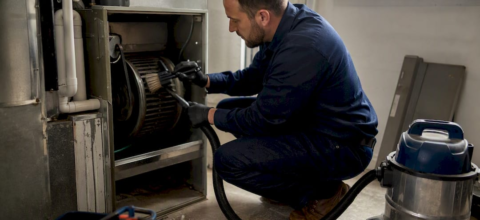
- Schedule annual professional tune-ups. A technician can catch refrigerant leaks, electrical issues, and coil fouling before they become major failures.
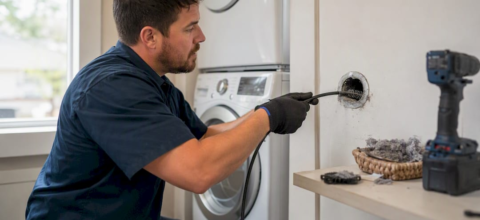
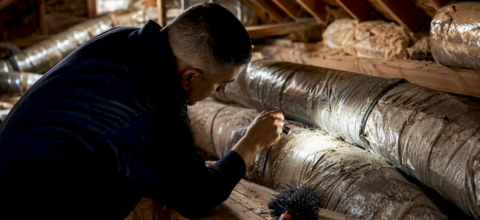
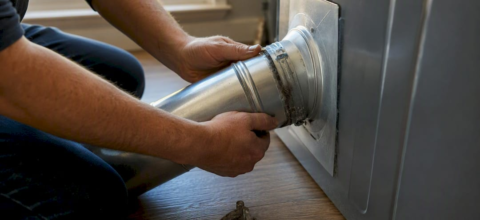
- Clean your air ducts regularly. Dirty ducts restrict airflow and reduce system efficiency. Amazonairpro’s air duct cleaning services serve residential and commercial clients across New York, New Jersey, and Connecticut.
- Check and clear the condensate drain line. A blocked drain causes water damage and can trigger system shutdowns.
- Inspect the outdoor unit seasonally. Debris, overgrown vegetation, and bent fins all reduce heat transfer efficiency.
Following a seasonal HVAC maintenance checklist helps you stay ahead of problems rather than reacting to them. Smart thermostat upgrades also reduce runtime hours, which directly extends component life. Zoning systems go further by directing cooling only where it is needed, cutting unnecessary wear on the compressor. For homeowners who want to extend HVAC life beyond the average, consistent maintenance is the single most reliable method. You can also review air cleaner maintenance tips for additional best practices that complement your HVAC routine.
Key Takeaways
Replacing an aging or R-22-dependent AC system is almost always more cost-effective than repeated repairs once the $5,000 rule or 50% rule threshold is crossed.
| Point | Details |
|---|---|
| Apply both financial rules | Use the $5,000 rule and 50% rule together before approving any major repair. |
| R-22 systems warrant replacement | R-22 refrigerant costs have surged over 500%, making continued repair impractical. |
| Factor in tax credits | The federal 25C credit covers up to $600 for central AC or $2,000 for heat pumps. |
| Maintenance delays replacement | Annual tune-ups and regular duct cleaning extend system life and improve repair outcomes. |
| Age plus history matters most | A well-maintained 14-year-old system may outlast a neglected 9-year-old one. |
What I’ve learned after years of watching homeowners make this call
Most homeowners focus entirely on the repair quote sitting in front of them. That is the wrong frame. The real question is what the next 5 years of ownership look like, not just the next 5 months.
I have seen homeowners in New Jersey spend $1,800 repairing a 14-year-old R-22 system, only to face a compressor failure 18 months later. The total cost of those two repairs exceeded what a new, high-efficiency unit would have cost, and they missed out on two summers of lower energy bills. The $5,000 rule would have flagged the first repair clearly. They just did not know to apply it.
The other mistake I see regularly is treating replacement as a pure cost rather than an upgrade. A modern SEER2-rated system is quieter, more consistent, and genuinely more comfortable than a 15-year-old unit running at reduced capacity. The energy savings are real and measurable. The comfort improvement is immediate.
My honest recommendation: get a written remaining-useful-life assessment from a licensed HVAC technician before approving any repair over $800. Pair that with a replacement quote and run both financial rules. If the numbers favor replacement and your system runs on R-22, do not hesitate. The tax credits and utility rebates available in 2026 make this the best financial window for replacement that homeowners in NY, NJ, and CT have seen in years.
— Victor
How Amazonairpro supports your HVAC decisions in NY, NJ, and CT
Clean air ducts are one of the most overlooked factors in AC performance. Restricted airflow from dirty ducts forces your system to work harder, raises energy bills, and accelerates wear on components you are trying to protect.

Amazonairpro provides professional air duct cleaning for residential and commercial properties across New York, New Jersey, and Connecticut. With over 10 years of experience, the Amazonairpro team helps homeowners and business owners get the most from their HVAC systems, whether they are maintaining an existing unit or supporting a new installation. Scheduling a duct cleaning before or after a system replacement gives your new equipment the cleanest possible start. Contact Amazonairpro to book a service appointment and protect your investment.
FAQ
What is the $5,000 rule for AC replacement?
The $5,000 rule multiplies your system’s age in years by the repair cost in dollars. If the result exceeds $5,000, replacement is typically more economical than repair.
When should I replace rather than repair my air conditioner?
Replace your AC when it is older than 12–15 years, requires two or more repairs per year, runs on R-22 refrigerant, or when a single repair exceeds 50% of the cost of a new unit.
How much does a new central AC system cost in 2026?
Central AC installation typically costs between $3,800 and $8,000, depending on system size, efficiency rating, and installation complexity.
What federal tax credits are available for AC replacement?
The federal 25C tax credit covers up to $600 for qualifying high-efficiency central AC systems (SEER2 17.0+ and EER2 12.0+) and up to $2,000 for qualifying heat pumps.
Does air duct cleaning improve AC performance?
Yes. Clean ducts restore proper airflow, reduce strain on the blower and compressor, and improve indoor air quality. Amazonairpro offers professional duct cleaning across NY, NJ, and CT for both residential and commercial properties.
Recommended
- Smart ways to reduce HVAC costs in 2026 and beyond – Amazon Air Duct Cleaning
- AC Troubleshooting: Why Is My Air Conditioner Blowing Warm Air?
- Seasonal HVAC Maintenance Checklist for Homeowners
- 2025 Refrigerant Changes: Can You Still Use R-410A AC Units?