3 Pressure Readings That Prove Negative Air Duct Cleaning, NY NJ CT
Negative air duct cleaning uses source removal under continuous negative pressure to pull dislodged debris into a HEPA-filtered collection unit rather than pushing it around your ductwork. It’s the standard method for heavy contamination: visible mold, rodent activity, construction dust, or smoke residue. It is not something most homes need on a fixed schedule, and a contractor who skips pressure verification can leave your air worse than before.
TL;DR:
- Negative pressure duct cleaning is most necessary for severe contamination like mold, rodents, or heavy dust buildup, not for routine maintenance.
- Proper procedure requires sealing vents, continuous negative pressure with logging manometer readings, and thorough agitation with verification before completing the job.
- Equipment matters: high CFM, multi-stage HEPA filtration, and outdoor venting are crucial to ensure effective removal and prevent recontamination.
- Shortcuts such as unsealed vents or incomplete scope, especially neglecting coils or blower components, significantly reduce cleaning effectiveness and can cause recontamination.
- Verify a contractor’s process with NADCA standards, pressure logs, and transparent scope to avoid common pitfalls like push-and-pull dust or duct damage.
Table of Contents
- What Is Negative Pressure Duct Cleaning, and Why Does It Matter?
- How the Cleaning Process Actually Works
- What Equipment and Readings Actually Prove the Job Was Done Right
- What Negative Pressure Cleaning Actually Improves
- Do You Actually Need Your Air Ducts Cleaned Right Now?
- Where Duct Cleaning Goes Wrong
- How to Vet a Duct Cleaning Contractor Before You Book
- How Long a Job Takes and What Drives the Price
- Who’s Actually Doing the Work
- A Straight Answer From Our Team
- Book a Negative Pressure Duct Cleaning in NY, NJ, or CT
- Sources
- FAQ
What Is Negative Pressure Duct Cleaning, and Why Does It Matter?
Negative pressure is a containment strategy, not a cleaning technique by itself. A vacuum collection unit connects to your duct system and pulls air and debris inward, toward the collection point, instead of letting agitated particles drift into your living space. NADCA’s homeowner guidance describes this as continuous negative pressure that captures fine particles as they become airborne, before they ever reach the rooms you breathe in.
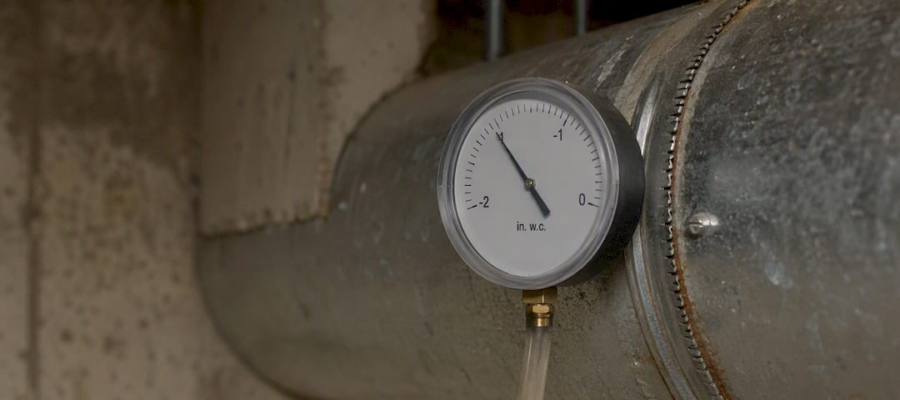
This is what separates genuine source removal from “blow-and-go” air washing, where a technician runs a brush or air whip through the ducts without a sealed vacuum connection. Air washing just relocates dust. Practitioners typically target a working range of about negative 0.5 to negative 1.5 inches of water column, measured with a manometer at the connection point. That range keeps suction strong enough to move debris toward the collector without collapsing under load.
How the Cleaning Process Actually Works
A properly run job follows a sequence, and each stage exists to protect the pressure differential that makes the whole method work.
- Inspection and system mapping. The technician defines the boundary of the job: which registers, trunk lines, coils, and air handler components are included, and where existing damage or contamination sits.
- Isolation and sealing. Registers not currently being cleaned get sealed so the vacuum draws air along the intended path instead of leaking pressure from open vents.
- Vacuum connection. The negative air machine connects to the trunk line, exhausting through HEPA filtration or, if the unit lacks HEPA, through a controlled outdoor line away from windows and intakes, as NADCA’s ACR standard requires.
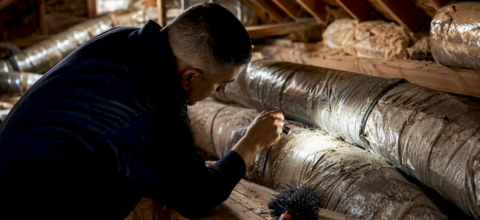
- Agitation. Brushes, air whips, or contact vacuum tools dislodge buildup from duct walls while suction is active, so displaced material has nowhere to go but toward the collector.
- Verification. A visual check, and sometimes a NADCA-recognized test like the Vacuum Test or Surface Comparison, confirms the duct interior meets cleanliness criteria before the crew packs up.
Pro Tip: Ask to see the sealed registers before agitation begins. If a technician skips sealing and just runs a hose down the trunk line, the negative pressure isn’t doing its job, no matter what the invoice says.
What Equipment and Readings Actually Prove the Job Was Done Right
Not all negative air machines are equal, and the paperwork matters as much as the hardware.
- Truck-mounted vs. portable units. Truck-mounted machines generally deliver higher sustained airflow for larger commercial systems; portable units serve most residential jobs fine when properly sized.
- HEPA staging. Multi-stage HEPA filtration traps particulates down to the micron level before exhaust, which matters most for mold or allergen-heavy jobs.
- CFM margin. Industry technical notes describe negative pressure as a dynamic equilibrium. If a machine’s CFM output and filter capacity aren’t sized with margin above what the job demands, filters load up fast and the pressure differential drifts back toward zero mid-job, right when agitation is kicking debris loose.
- Manometer documentation. Ask for pre-clean, mid-job, and post-clean pressure readings on the job sheet. That’s a defensible record, not a formality.
- Exhaust compliance. Non-HEPA equipment must vent outdoors, clear of intakes and operable windows, to avoid recontaminating the building or violating local air standards.
A contractor who can hand you three logged manometer readings has done something meaningfully different from one who says “trust me, it’s clean.”
What Negative Pressure Cleaning Actually Improves
Done correctly, source removal reduces the risk of re-entrained dust and debris circulating back through your vents, and it can restore airflow when coils and the blower assembly get cleaned alongside the ducts. It’s particularly effective after construction projects, smoke damage, or as part of mold remediation, provided the whole system, not just the duct runs, gets addressed.

What it won’t do is act as a general health fix. The EPA is direct about this: there’s limited evidence that duct cleaning alone improves respiratory health in homes without a specific contamination problem. Benefits track with the condition you’re fixing, not with cleaning as a blanket wellness step.
Do You Actually Need Your Air Ducts Cleaned Right Now?
The EPA doesn’t recommend routine duct cleaning for most homes. Cleaning earns its cost when specific conditions are present, not on a calendar.
- Visible mold growth inside ducts or on nearby components.
- Evidence of rodent or pest infestation, including debris or nesting material.
- Heavy dust or construction debris blocking airflow or visible at registers.
- Smoke damage from a fire, even a small or contained one.
- Noticeable performance issues, like weak airflow or uneven heating and cooling, that inspection ties back to duct blockage.
If ducts show wet insulation, a severely damaged fiberglass liner, or extensive physical deterioration, cleaning may not be the answer. Replacement or targeted repair is often the better call, and a good contractor will tell you that instead of pushing a service that won’t hold. Our guide to warning signs walks through what to look for during a self-check before you call anyone.
Where Duct Cleaning Goes Wrong
Most complaints about duct cleaning trace back to shortcuts in containment or scope, not the method itself.
- Blow-and-go without containment. Agitating dust with no sealed vacuum path pushes particulates into the room instead of removing them.
- Aggressive tools on fragile ducts. Flexible or fiberglass-lined ducts can tear or shed liner material under improper suction or stiff brushes.
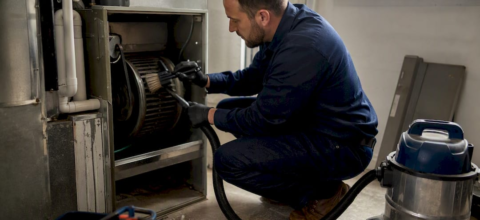
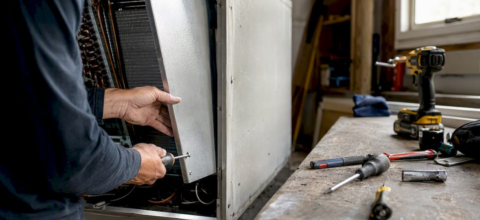
- Partial scope. NADCA guidance is clear that skipping coils, blower components, or drain pans leaves contamination sources in place, and ducts recontaminate quickly.
- Unsafe exhaust. Venting unfiltered exhaust outdoors near intakes or windows can pull the same debris right back inside, or run afoul of local environmental rules.
Pro Tip: If a technician can’t explain where the exhaust air goes during your job, that’s a question worth pressing on before you sign anything.
How to Vet a Duct Cleaning Contractor Before You Book
A short list of direct questions tells you more than any glossy brochure.
- Ask about NADCA-aligned process. Do they follow the ACR standard, including sealed registers and continuous negative pressure verification?
- Request pressure documentation. Will pre, mid, and post-clean manometer readings appear on your job sheet?
- Confirm equipment specs. What’s the HEPA filtration stage, and is the unit sized with CFM margin for your system?
- Clarify scope. Does the quote include coil and blower cleaning, or ducts only?
- Watch for red flags. Refusal to seal registers, no mention of pressure readings, pressure to add unnecessary chemical treatments, or a flat low-ball price with no itemization are all signs to walk away.
How Long a Job Takes and What Drives the Price
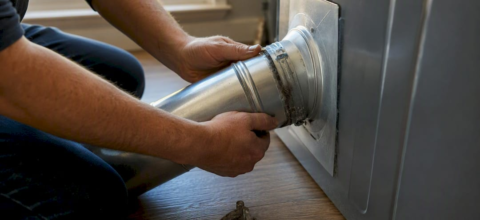
Most residential jobs take a few hours, depending on system size and how contaminated the ducts are. Larger homes, multiple HVAC zones, hard-to-access ductwork, and heavily loaded filters all add time. Added services like coil cleaning, antimicrobial treatment, or dryer vent work extend both the timeline and the bid.
When you’re comparing quotes, read past the bottom-line number. An itemized bid should spell out what’s included, duct cleaning, register sealing, verification testing, versus what’s billed separately, like antimicrobial treatment for mold-affected systems.

Who’s Actually Doing the Work
Amazonairpro has spent more than 10 years running air duct cleaning, dryer vent cleaning, and chimney cleaning jobs across New York, New Jersey, and Connecticut, for both homeowners and commercial facility managers.
Every job follows documented pressure verification, logged manometer readings at the start, midpoint, and close of the cleaning, paired with visual and NADCA-referenced cleanliness checks before the crew leaves. That paper trail is what turns “we cleaned your ducts” into something you can actually verify.
A Straight Answer From Our Team
Source removal under verified negative pressure is worth paying for when your ducts show real contamination, not as a routine tune-up. Before you book anyone, do three things: inspect for the actual warning signs, ask directly about manometer documentation, and confirm the scope covers coils and the blower, not just duct runs. If you’re not sure which category you’re in, ask us. We’ll look before we recommend anything.
— Victor
Book a Negative Pressure Duct Cleaning in NY, NJ, or CT
Amazonairpro runs source-removal duct cleaning the way it’s supposed to work: sealed registers, HEPA-filtered collection, and logged pressure readings on every job, not just a hose and a hope. That’s the real difference between a contractor who documents containment and one who just tells you it’s handled. We serve homeowners, property managers, and facility managers across New York, New Jersey, and Connecticut, covering air duct cleaning, antimicrobial treatments, dryer vent service, and chimney cleaning under one crew.

If your ducts show mold, heavy dust, smoke residue, or airflow problems, the next step is simple: request an inspection through our air duct cleaning service page and get a documented quote before any work starts. Not sure yet whether you need cleaning at all? Our self-assessment guide can help you figure that out first.
Sources
- Should You Have the Air Ducts in Your Home Cleaned? | US EPA
- Proper cleaning methods | NADCA (homeowner guidance)
- How negative pressure works in duct cleaning | DuctPro Systems
FAQ
Does negative pressure duct cleaning actually work?
Yes, when it’s done with sealed registers, sustained negative pressure, and HEPA-filtered or properly exhausted collection. It fails when containment is skipped or the system is only partially cleaned.
What does air duct cleaning typically cost?
Cost varies by system size, number of zones, and contamination level; expect pricing to scale with a 1.5 to 3 hour job and any added services like coil or antimicrobial treatment. Always compare itemized bids rather than a single flat number.
What makes a good negative air machine for duct cleaning?
Look for HEPA-stage filtration, enough CFM margin to hold pressure under debris load, and a design that supports logged manometer readings throughout the job. Amazonairpro documents these readings on every job sheet as part of its process.
What are the downsides of air duct cleaning?
Poorly executed cleaning, especially blow-and-go without containment, can push more dust into your home instead of removing it. Aggressive tools can also damage flexible or fiberglass-lined ducts if the technician isn’t careful with suction and agitation.
Recommended
- How to Monitor Airflow in Ducts: NY/NJ/CT Guide
- 5 Signs Your Air Ducts Need Cleaning
- Signs of Dirty Air Ducts
- Air Duct Cleaning in Norwalk CT | Local HVAC Experts