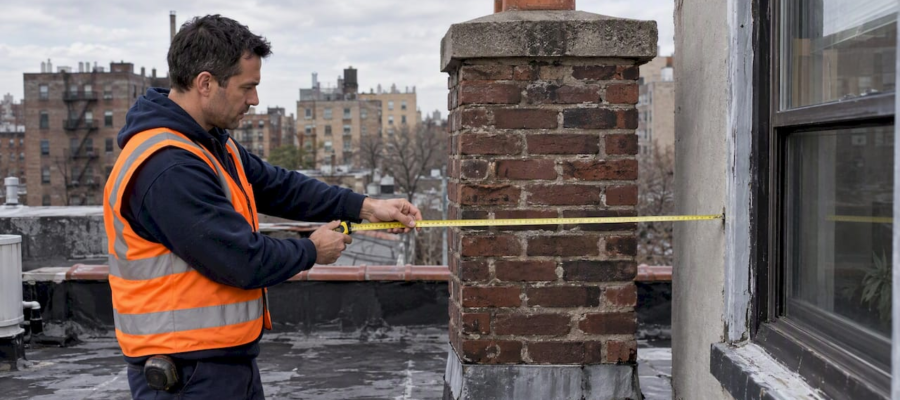
NYC Chimney Code: 160°F Rule and Field Checks for Owners and Managers
New York City chimneys fall under the 2022 Mechanical Code Chapter 8 for nongas appliances, Fuel Gas Code Chapter 5 for gas-fired units, Building Code provisions on masonry chimneys and special inspections, and Administrative Code Section 28-104.13. If you’re altering, reusing, or connecting an appliance to a chimney, you need to submit a chimney and vent plan, confirm the lining and termination meet current rules, and schedule any required inspection before work closes out.
TL;DR:
- Fuel Gas Code Chapter 5 governs gas vents, while Mechanical Code Chapter 8 covers other appliances; masonry work can trigger Building Code inspections.
- Owners generally must notify affected adjoining building owners at least 60 days before requesting a permit, so late notice can stall approval.
- Horizontal outlets need at least 3 feet from air inlets within 10 feet, and nearby construction can force a later height adjustment.
- Outdoor exposed liner runs over 5 feet typically need R 8 rated insulation or an equivalent enclosure; relining systems require listing documentation.
Table of Contents
- Which New York City codes and sections apply
- Key NYC chimney and vent requirements: an actionable checklist
- Inspecting and reusing existing chimneys: what inspectors look for
- Chimney terminations and clearances: direct-vent and horizontal rules
- Flue lining and relining systems: what NYC accepts
- Permits, notifications, special inspections, and test runs: the owner’s steps
- Field-tested inspection priorities from our chimney team
- Why NYC chimney code gets misunderstood
- How we help NYC homeowners meet chimney code requirements
- FAQ
- Sources
Which New York City codes and sections apply
Three code bodies do most of the work here, and each covers a different piece of the system. The 2022 NYC Construction Codes set the framework: Mechanical Code Chapter 8 handles chimneys and vents serving nongas appliances, while Fuel Gas Code Chapter 5 governs venting for gas-fired equipment. Building Code provisions address masonry construction standards and special inspection triggers, and the Administrative Code ties permitting and owner obligations together under Section 28-104.13.
Where to look depends on what you’re doing:
- Replacing a boiler or furnace flue connection: Mechanical Code Chapter 8
- Installing or servicing a gas appliance vent: Fuel Gas Code Chapter 5
- Building, altering, or relining a masonry chimney: Building Code masonry provisions plus special inspection rules
- Filing paperwork with the Department of Buildings: Administrative Code 28-104.13 and the chimney and vent plan process under Section 107.18
Each code role stays separate on paper, but in practice a single chimney project often touches all three. A relined masonry flue serving a new gas boiler, for example, needs sign-off under Fuel Gas Code venting rules and Building Code special inspection at the same time.
Key NYC chimney and vent requirements: an actionable checklist
Before you install, reuse, or connect any appliance to an existing chimney, a handful of technical points decide whether the work passes inspection.
- Flue sizing must match the connected appliance’s draft and capacity requirements; undersized flues choke draft and backdraft flue gases into living space
- Adjacent combustible surfaces can’t exceed 160°F, a limit repeated across Mechanical Code and Fuel Gas Code chimney sections to prevent slow-building fire risk
- Lining and relining systems must be listed and labeled, with documentation on hand for the inspector
- Termination clearances cover doors, windows, air inlets, lot lines, and gas or electric meters, plus minimum heights above walkways and grade
- Cleanouts need proper covers and sizing, and inspection is limited to what existing openings allow access to
- Altering a chimney or connecting a new appliance can trigger special inspection and a required test run
- Owners must file permits or notifications whenever new or altered construction affects an existing chimney
Pro Tip: Photograph the cleanout cover, flue connector, and termination point before you call for inspection; most sign-off delays come from access or documentation gaps, not the actual chimney condition.
These requirements aren’t independent checkboxes. A relining job that skips the listing documentation will fail even if the installation itself is sound, and a termination that sits three inches short of the required clearance from a window forces a redesign regardless of how clean the flue is.
Inspecting and reusing existing chimneys: what inspectors look for
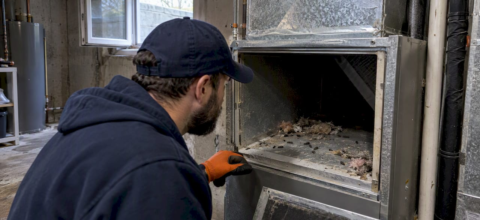
Reusing an existing chimney triggers specific obligations under Mechanical Code 801.1.1 and Administrative Code 28-104.13. Before a vent connector gets attached to any chimney, the Fuel Gas Code requires the passageway to be examined for obstructions and cleaned if it previously served a solid or liquid fuel appliance.
- Inspectors check for blockage, proper sealing at connections, structural support, and correct pitch using whatever existing cleanouts allow access to, since the code limits inspection to those openings
- Visible deterioration such as spalling mortar, cracked liners, or water staining flags the chimney as unsuitable for reuse until repaired
- Relining must meet DOB acceptance criteria for listed systems that resist flue gas temperatures and condensate, and installation falls under Building Code 1705.32 special inspection
- When a chimney is altered or a new appliance connects to it, a registered design professional or special inspector often needs to run and certify a test run before the DOB will close out the permit
A chimney that looks fine from the cleanout but fails a draft test still needs correction before reuse is approved.
Chimney terminations and clearances: direct-vent and horizontal rules
Direct-vent and horizontal terminations carry some of the strictest clearance numbers in the Fuel Gas Code, and they’re also where NYC’s dense building stock creates the most friction.
- Terminations generally sit at a safe height above walkways as required by code
- Outlets need at least 3 feet of clearance from forced-air inlets located within 10 feet
- Terminations must maintain required clearance distances from doors, windows, and inlets, with alternative height requirements when horizontal distance is limited
- Factory-built chimneys must be installed per manufacturer’s instructions, with limitations on termination caps and decorative shrouds unless specifically approved
Adjacent construction can change the math. If a neighboring building goes up and shortens the distance to a termination, the chimney height or outlet location may need to be adjusted to keep the same clearance, and that falls on the chimney owner to correct.
Flue lining and relining systems: what NYC accepts
Acceptable liners include traditional clay flue lining and listed chimney lining systems, with certain listed liners approved specifically for gas-only appliance connections.
- Relining systems must meet recognized testing standards referenced in DOB bulletins, including CAN/ULC S635 performance criteria, and carry Office of Technical Certification and Research recognition before installation
- Labeling and test documentation have to accompany the installed system, since inspectors check for proof of listing rather than taking the material on appearance alone
- Outdoor exposed runs over five feet typically need R-8 insulation or an equivalent enclosure to maintain the flue gas temperatures the system was tested at
Relining isn’t a simple drop-in fix. A liner that performs well in a fully interior chimney can fail acceptance criteria if a section runs outdoors without the required insulation.
Permits, notifications, special inspections, and test runs: the owner’s steps
Owners carry specific procedural duties once a chimney project involves alteration, reuse after vacancy, or a new appliance connection.
- Prepare and submit a chimney and vent plan under Section 107.18 before altering or adding vents or chimneys
- Provide written notice to owners of affected adjoining buildings, generally starting at least 60 days before requesting the permit, with certified mailing or documented service
- Confirm whether Building Code 1705.32 special inspection applies to the specific chimney work, since reuse of an existing chimney often falls under this rule
- Arrange the required Mechanical Code or Fuel Gas Code test run when one applies, and have a registered design professional or special inspector certify the results before the DOB closes the permit
Skipping the notification step is one of the more common reasons permit applications stall, even when the chimney work itself is code-compliant.
Field-tested inspection priorities from our chimney team
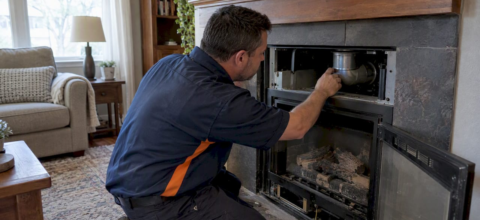
Years of chimney work across New York City buildings point to a short list of checks that catch most problems early: cleanout access and cover condition, flue connector sealing and support, visible water damage or spalling mortar, and termination clearance. Typical fixes include clearing soot and creosote buildup, installing listed relining systems, repairing or adding cleanouts, and correcting termination distances. When a chimney shows structural concerns, needs a Building Code 1705.32 item addressed, or fails a draft test, the next step is bringing in a design professional or scheduling a formal special inspection.

Why NYC chimney code gets misunderstood
Most advice on chimney code treats it as a single document you can read once and apply everywhere. It isn’t. The actual rules split across three code bodies, and the split matters: a lining that satisfies Mechanical Code requirements for a wood-burning fireplace won’t automatically clear Fuel Gas Code rules for a gas boiler sharing the same chase.

The bigger blind spot is notification timing. Homeowners and property managers tend to focus on the technical fix, the liner, the cap, the cleanout, and treat the 60-day notice to adjoining owners as paperwork to handle later. That sequencing backfires. A chimney that’s otherwise ready for inspection can sit stalled for two months because the notification clock hasn’t started.
If there’s one thing worth prioritizing first, it’s confirming which code sections actually apply to your specific appliance and construction type before touching the chimney itself. Everything downstream, from lining choice to termination clearance to inspection scheduling, depends on getting that classification right from the start.
— Victor
How we help NYC homeowners meet chimney code requirements
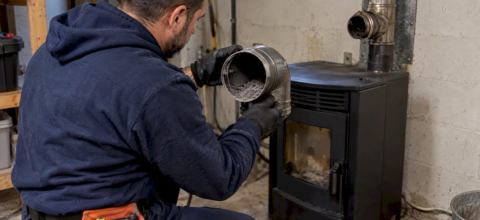
Getting a chimney ready for DOB inspection takes more than a quick sweep. Our team handles the parts that typically slow down approval: clearing obstructions so the passageway can be properly examined, coordinating relining work with listed systems, and documenting conditions so your test run or special inspection goes smoothly.

- Chimney cleaning and inspection-ready prep for cleanouts, flue connectors, and masonry condition
- Relining coordination using listed systems that meet DOB acceptance criteria
- Documentation support for test runs and special inspection scheduling
- Service with trained technicians
If you’re renovating a fireplace surround and need to account for termination clearances, stone tile and masonry finish options are worth reviewing before construction starts. When you’re ready to get your chimney inspection-ready, book chimney cleaning and we’ll walk you through what your specific chimney needs.
FAQ
Is a chimney liner required by code?
Yes, NYC code requires chimneys to use an approved lining system, whether traditional clay flue lining or a listed chimney lining system that meets DOB acceptance criteria. An unlined or improperly lined chimney will not pass inspection for reuse or new connection.
Does a chimney need to be higher than the roof?
Chimney height and termination placement follow specific clearance rules rather than a simple “higher than the roof” standard, including minimum heights above walkways and distances from doors, windows, and inlets under the Fuel Gas Code. Adjacent construction can also change the required height if it shortens existing clearances.
What inspection is required before connecting an appliance to an existing chimney?
Before a vent connector attaches to an existing chimney, the passageway must be examined through existing openings for obstructions and cleaned if it previously served a solid or liquid fuel appliance, as required under the Fuel Gas Code. Depending on the scope of work, this may also trigger special inspection under Building Code 1705.32.
What triggers a special inspection for chimney work in NYC?
Special inspection under Building Code 1705.32 typically applies when an existing chimney is being reused, altered, or connected to a new appliance, and it often requires a registered design professional or special inspector to certify a test run. The Mechanical Code’s DOB guidance outlines when these testing and certification steps apply.
Who do I need to notify before starting chimney alteration work?
Owners altering a chimney generally must provide written notice to owners of adjoining affected buildings, with a first notice typically required well before requesting the permit and documented through certified mailing or service. These notification and plan submission duties are outlined under chimney and vent procedures in the Fuel Gas Code.
Sources
- 2022 construction codes — NYC Department of Buildings
- 503.5.6 Inspection of chimneys — NYC Fuel Gas Code (codelibrary)
Recommended
- Inspect Chimney Caps Yearly: Safety Steps for Homeowners
- Prevent Chimney Fires: Fireplace Damper Cleaning for NY/NJ/CT Homes
- 1/8 Inch Rule Means When to Clean Your Chimney in NY, NJ & CT
- Why clean commercial chimneys? Safety, compliance, savings