How to Recognize and Remove Black Mold Around Air Vents
Black Mold in Air Vents: What You Need to Know
Have you experienced persistent nasal congestion, throat irritation, wheezing, or eye discomfort indoors? While seasonal allergies are common, the issue could be hidden in your air vents.
One of the most concerning contaminants that can thrive in HVAC systems is black mold (Stachybotrys chartarum). This mold flourishes in damp environments, releasing spores into the air, which, when inhaled, can lead to health issues like respiratory problems. Left unchecked, mold in air vents can significantly worsen indoor air quality.
Identifying and Addressing Black Mold in Air Vents
Mold growth is easy to spot on surfaces, but when it develops inside air vents, it often goes unnoticed until it worsens. HVAC systems provide a perfect environment for mold—dark, humid, with constant airflow to spread spores. Signs like musty odors or allergy-like symptoms are early warnings. Addressing mold in air vents promptly can prevent further contamination and protect your family’s health.
Health Symptoms of Mold Exposure
Black mold releases airborne spores that, when inhaled, can cause a range of health issues. Common symptoms include persistent eye irritation, headaches, nasal congestion, chronic coughing, sneezing, and throat discomfort. Prolonged exposure can inflame the mucous membranes, making breathing difficult and exacerbating conditions like asthma or allergies. In some cases, mold exposure may also contribute to fatigue and impaired concentration, affecting overall well-being. If symptoms persist indoors but improve when outside, it may indicate mold contamination in your HVAC system.
Signs of Black Mold in Air Vents
Musty Odors
If you notice a persistent musty smell when your AC is running, it could be a sign of mold growth inside the ductwork. Mold thrives in damp environments, and the circulating air can spread its spores throughout your home.
Black Dust Around Air Vents
Black dust that appears patchy and difficult to wipe away may indicate mold growth inside the vents. Unlike regular dust, mold-infested particles tend to cling to surfaces and can signal underlying moisture issues within your HVAC system.
Regularly inspecting your air vents can help detect mold early, allowing for timely remediation. Addressing mold growth promptly not only improves indoor air quality but also prevents potential health risks associated with prolonged exposure.
Steps to Remove Black Mold
Step 1: Professional Inspection
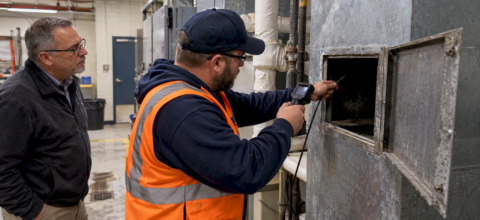
Mold in air vents isn’t always visible, and not all dark patches are black mold. A professional inspection is essential to accurately identify the substance and determine the extent of contamination. Certified specialists use advanced tools to assess air quality and confirm whether black mold is present, applying the correct remediation approach.
Step 2: Assess Insulation and Surrounding Areas
Mold doesn’t just grow inside air ducts—it can spread to insulation and other HVAC components. If mold has contaminated insulation, it must be removed and replaced, as it cannot be effectively cleaned. Neglecting this step can allow mold spores to linger and reintroduce contamination even after duct cleaning.
Step 3: Deep Cleaning and Disinfection
Professional-grade equipment, including HEPA vacuums and rotary brushes, is used to remove mold buildup from the ductwork. HVAC-safe antimicrobial agents are applied to kill spores and prevent regrowth. This process thoroughly eliminates mold without dispersing harmful particles into the air.
Step 4: Eliminate the Root Cause
Mold thrives in damp, poorly ventilated environments, so it’s crucial to address the conditions that allowed it to grow. Issues like high humidity, condensation, or a malfunctioning HVAC system should be resolved to prevent future outbreaks. Without fixing the source of moisture, mold will continue to return, even after cleaning.
Real Cases of Mold in Air Vents in White Plains, NY
Mold in air vents is more common than many homeowners realize, especially in areas with older HVAC systems or high humidity levels. Here are two real-life cases from White Plains, NY, where mold removal was necessary:
Case 1: Hidden Mold in a Family Home
A homeowner in White Plains noticed persistent allergy symptoms in their children, including coughing and eye irritation, despite regular cleaning. A musty odor would become noticeable whenever the AC was running. Upon inspection, professionals discovered black mold inside the ductwork, which had spread due to a clogged condensate drain. After a thorough cleaning and HVAC maintenance, the family experienced a noticeable improvement in air quality and health.
Case 2: Office Building Air Quality Issues
An office in downtown received multiple complaints from employees about headaches and difficulty concentrating. The building manager suspected poor air circulation but was unaware of mold growth inside the ventilation system. A professional inspection revealed significant mold buildup in the ducts, caused by high humidity and inadequate airflow. After deep cleaning and installing a dehumidifier, the workplace environment improved, reducing health complaints and boosting productivity.
Final Thoughts: Keeping Your Air Vents Mold-Free
Black mold in air vents is a serious issue that can affect indoor air quality and lead to health problems if left untreated. Recognizing the signs early can help prevent the problem from worsening. While DIY solutions may seem tempting, professional removal is the safest and most effective way to eliminate mold and prevent it from returning. Regular inspections and proper HVAC maintenance help maintain a clean, healthy home or workplace. If you suspect mold in your air vents, don’t wait—take action to protect your indoor air quality today.
Take Action with Amazon Air Duct Cleaning
Don’t let mold compromise your indoor air quality. If you’ve noticed black dust around your vents, musty odors, or allergy-like symptoms, it’s time to get your air ducts inspected and cleaned. Experienced technicians at Amazon Air Duct Cleaning provide professional mold removal and air duct cleaning services in Toms River & Trenton, NJ, and White Plains, NY. We use advanced equipment and safe, effective treatments to restore clean air in your home or business.
Call us today to schedule your service and breathe easier!