Antimicrobial Fogging: What It Does and When Homes Might Need It
There’s something comforting about walking into a space that just feels clean—air that’s light, rooms that don’t carry yesterday’s odors, and a kind of stillness that doesn’t stir up sneezes. But even if the floors sparkle and countertops shine, what you breathe indoors may not be nearly as fresh. Over time, circulation systems collect far more than dust—and that’s when antimicrobial fogging becomes a practical next step.
This treatment isn’t about masking problems with perfumes or filters. It addresses air quality at the root, using a safe, targeted approach that reaches the parts of your system most people never think about.
How Antimicrobial Fogging Actually Works
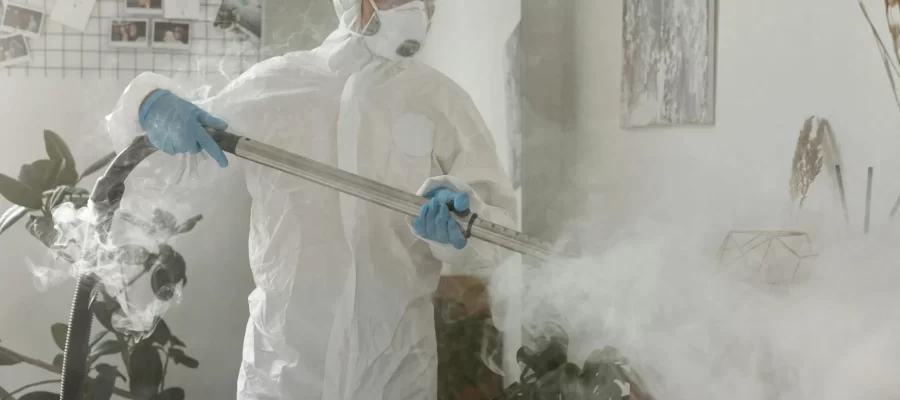
Imagine a fine mist drifting through the internal chambers of your system, landing on surfaces that haven’t been touched in years. That’s essentially what antimicrobial fogging does. A specialized solution—EPA-registered and safe for residential use—is transformed into a microscopic fog and introduced into the air pathways.
What sets it apart from traditional methods is reach. The mist moves through bends, corners, fans, coils—places brushes or vacuums simply can’t access—and binds to particles that contribute to odors, microbial growth, or respiratory discomfort. The process doesn’t just clean; it actively neutralizes.
When a Home Might Need It
Certain situations call for more than surface-level freshening. Post-renovation dust, the lingering effects of water damage, or an old pet smell that never quite goes away—these are signals that something deeper is happening within the system.
Antimicrobial fogging is especially useful after interior construction projects, seasonal transitions, or in homes with recurring allergy flare-ups. It’s also helpful for families with young kids or anyone with sensitivities to airborne particles.
Acting as a Ductwork Deodorizer
One of the most noticeable shifts after treatment is the absence of odor. Not just covered-up smells, but a real change in the way the space feels. That’s because part of the fogging formula functions as a ductwork deodorizer, neutralizing odor molecules instead of coating them with fragrance.
This can be a turning point for homeowners who’ve tried everything to eliminate a specific smell—something musty, sour, or stale—only to have it return. The solution isn’t always a new air filter. Sometimes it takes reaching the hidden places where those molecules live.
Why It’s Not Just About Cleaning
There’s a clear difference between removing debris and sanitizing a space. Traditional maintenance can pull out dust and pet hair, but fogging reaches another level. It doesn’t just remove—it deactivates. The solution used in antimicrobial treatments is designed to disrupt microbial structures, making it harder for spores or bacteria to continue thriving.
This can be especially important in homes where mold has been addressed in the past, or in damp environments where humidity fluctuates and organic buildup is more likely to return. The goal isn’t just to “freshen things up”—it’s to shift the environment so it’s less hospitable to what you don’t want breathing with you.
Health Benefits Without the Guesswork
There’s a growing awareness around air quality and how it affects day-to-day wellbeing. If someone in the household regularly wakes up congested, experiences chronic sneezing, or struggles with indoor allergies, the air system might be worth examining.
Antimicrobial fogging helps reduce the load of allergens that circulate through the space. This includes everything from pet dander to pollen fragments to bacteria released from moist environments. The result? Fewer triggers floating around unnoticed, and a clearer, more breathable atmosphere for everyone inside.
Residual Protection and Long-Term Value
One often overlooked aspect of this process is that it doesn’t stop working once the fog settles. Many of the products used in antimicrobial fogging leave behind a light, invisible residue on surfaces. This barrier continues to inhibit growth for weeks, sometimes months, after application.
So while it’s not a permanent fix, it does buy time—and that’s valuable. Especially in households where the air system is working overtime due to pets, cooking, or seasonal allergens.
Air Duct Deodorizer for a Lighter, Fresher Home
Pairing the antimicrobial treatment with an air duct deodorizer can be especially helpful when the source of the smell isn’t obvious. Sometimes it’s from a buildup of cooking oils, sometimes moisture, sometimes pet-related. And occasionally, it’s just age.
Rather than try to pinpoint the exact molecule to blame, deodorizing components in the fogging treatment bind to a wide range of compounds, breaking them down chemically. It’s not just about making the air smell good—it’s about making the air cleaner, lighter, and easier to breathe.
What Is Deodorizing Duct System Cleaning?
When someone mentions deodorizing duct system cleaning, they’re usually referring to a process that goes beyond vacuuming. It involves both the physical removal of accumulated grime and a treatment step that deals with microbial and odor-causing residues.
It’s especially effective after the first round of cleaning, where the visible dirt is already gone. Think of it as a polish—not for looks, but for purity. It finishes what standard methods start, targeting what your eyes can’t see but your nose and lungs might still notice.
Eco-Friendly System Deodorizing: Safer Choices, Same Impact
There’s often a concern about the chemicals used in processes like these. That’s valid. Thankfully, many companies now offer eco-friendly system deodorizing solutions—formulas that are non-toxic, biodegradable, and safe to use around kids and pets.
These newer options are designed to break down naturally after doing their job, leaving behind clean surfaces without introducing new problems into the home. It’s a quieter, more sustainable kind of clean. One that doesn’t rely on heavy fragrances or harsh compounds to feel effective.
When It’s Worth Booking
You don’t need a disaster to justify scheduling a fogging treatment. Maybe it’s been a few years since your last full system check. Maybe the home just doesn’t feel as crisp as it used to. Or maybe you’ve already tried swapping filters, deep cleaning carpets, and wiping down every surface—but something still lingers.
That’s usually the moment when fogging makes the most difference. It reaches beyond what’s visible and resets the system’s internal environment. Sometimes the impact is subtle—a better night’s sleep, fewer headaches. Sometimes, it’s dramatic.
A Subtle Shift with Big Results
You won’t notice the treatment itself—you’ll notice what quietly disappears. That stubborn odor, the heavy air, the strange irritation that always seems to creep in midafternoon—they ease up. Sometimes gradually. Sometimes all at once.
There’s no fanfare, no strong scent announcing a change. It just happens. The air feels lighter. Rooms feel easier to be in. And suddenly, the whole space is more livable—without anything looking different at all.