DIY vs. Professional Air Duct Cleaning: What’s Really Worth It?
Ever wondered if cleaning your air ducts yourself is just as good as hiring a professional? With dust, pollen, and other particles building up in your HVAC system, regular maintenance keeps your air cleaner, your energy bills lower, and your health on track. But should you go DIY or call in an expert? Let’s take a closer look at what makes DIY and professional air duct cleaning different in terms of effectiveness, cost, and safety.
1. Effectiveness
DIY Air Duct Cleaning
DIY air duct cleaning can be manageable if you’ve got the right tools. A standard approach usually means grabbing a vacuum, a couple of brushes, and maybe a shop vac. This setup helps clear dust and dirt from areas you can see—but getting deep into the ducts? That’s tougher without specialized equipment.
Imagine using a household vacuum for a project that demands a commercial-grade tool. While you might be able to clear out some dust, deeper sections of your ductwork often remain untouched. And any allergens left behind just cycle back into your air. So, if a basic clean-up is your goal, DIY could work. But if you’re looking to eliminate all contaminants, it might fall short.
Professional Air Duct Cleaning
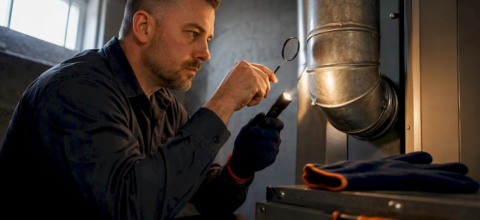
Professionals have powerful equipment designed for a thorough clean. Think heavy-duty vacuums, rotary brushes, and HVAC inspection cameras, all targeting every corner of your ducts. They even reach blower motors, coils, and other hidden areas—something most home equipment can’t handle.
With a professional cleaning, every part of the system is addressed. You might find your HVAC system working more efficiently afterward, cutting down on energy use and costs over time. Plus, it’s a great way to keep indoor air quality at its best and give your system a longer life.
2. Cost
DIY Air Duct Cleaning
If you’re sticking to a budget, DIY is an appealing option. You can usually find a vacuum, brushes, and dusters around the house. Need to buy any tools? A few basics will cost under $100, which keeps your wallet happy if you’re just looking to clear the basics.
But here’s the thing: renting or buying stronger equipment adds up. A commercial-grade vacuum rental, for example, costs around $30–$50 a day. The extra tools could push your budget higher than expected, especially if you’re hoping for results that match professional cleaning. DIY is definitely cheaper upfront but often limits the overall effectiveness.
Professional Air Duct Cleaning
Professional air duct cleaning generally costs between $300 and $600, depending on your home size and HVAC complexity. While that might sound like a lot, you’re paying for a complete clean that leaves little behind. And since cleaner ducts can help your system run efficiently, you could see lower energy bills, eventually offsetting the initial price.
For those who prefer quality and long-term savings, professional services might be the better choice. It’s an investment in air quality, HVAC longevity, and fewer repairs down the line.
3. Safety
DIY Air Duct Cleaning
Safety’s a big concern in DIY air duct cleaning. Dust, mold, and other allergens are often hiding in the ducts, which can affect your health, especially if anyone in your household has allergies. Without proper gear, it’s easy to inhale particles that could trigger symptoms.
Plus, there’s the risk of damaging your system. Ducts aren’t always easy to access, and reaching certain spots means some risk. Dismantling parts of your HVAC system might lead to accidental damage and costly repairs. Without training, it’s easy to bend or crack ductwork materials, impacting system efficiency.
Professional Air Duct Cleaning
Professional cleaning services use protective equipment to handle the dust and debris safely. They’re trained to identify and address mold, bacteria, and allergens, keeping the process clean and thorough. Plus, they know how to reach every corner without damaging the ductwork or other HVAC parts.
When professionals handle it, they follow industry standards and make your safety a priority. You can relax knowing the job’s done right without risking damage or contaminant exposure.
DIY vs. Professional: Quick Pros and Cons
DIY Air Duct Cleaning
- Pros: Budget-friendly for surface cleaning, convenient for frequent maintenance, and basic tools are easy to find.
- Cons: Limited reach and effectiveness, possible allergen exposure, and potential for duct damage without proper knowledge.
Professional Air Duct Cleaning
- Pros: Complete, deep cleaning with specialized tools; improved air quality and system efficiency; allergen control; and HVAC protection.
- Cons: Higher upfront cost, requires scheduling, and professional services may be available less frequently.
Which Is Right for You?
Thinking DIY? It’s a good choice if you:
- Just need surface-level maintenance.
- Have a smaller budget and some free time.
- Live in a home with easy-to-reach ductwork.
Looking for thoroughness and peace of mind? Then a professional service might be a better fit, especially if:
- You haven’t had your ducts cleaned in years and want every inch clear of dust.
- Respiratory issues are a concern in your household.
- You prefer having certified experts handle any potential allergens.
Is Professional Cleaning Worth It?
DIY air duct cleaning is a practical option for basic upkeep, but when it comes to a complete clean, a professional’s touch can make all the difference. You’ll benefit from fresher air, a more efficient HVAC system, and potentially even lower energy bills. So, if you’re serious about air quality and maximizing your HVAC system’s lifespan, a professional cleaning might be well worth the investment.
On the other hand, if you’re comfortable with regular DIY maintenance, basic cleaning can still help. Either way, keeping up with air duct maintenance is key to a healthier home and an HVAC system that runs smoothly.
Ready for Cleaner Air? Trust Amazon Air Duct Cleaning
If you’re looking to make a real difference in your indoor air quality, Amazon Air Duct Cleaning is here to help. With over a decade of experience, our skilled team provides reliable air duct cleaning, dryer vent cleaning, and chimney cleaning services for both homes and businesses across White Plains, NY, Trenton, NJ, and Toms River, NJ. Experience fresh, clean air and a more efficient HVAC system with our professional services.
Contact us today to schedule your cleaning and breathe easier with Amazon Air Duct Cleaning.