Choosing Between Gas and Wood Burning Fireplaces
A fireplace adds character and value to your home. When homebuyers imagine their dream home, the dream typically includes a comfy home that keeps you and your family warm in the winter, either with a smoothly running heater or getting comfy around a cozy fire.
It’s hard to resist the temptation of of a warm fire, but how do you pick between a gas or wood burning fireplace? There are many points to consider when deciding how to keep your home nice and toasty.
Aesthetics and Efficiency
Wood: A wood burning fireplace typically wins in the sensation category. You get the crackle. You get the pop. You get the ability to roast marshmallows indoors. Something you don’t get is an effective heating source. Wood fires normally receive up to a 15% efficiency rating, much lower than a furnace that has consistent service performed. They do generate a lot of heat, but most of that heat disappears up the chimney. Wood burning fireplaces not only lose the heat coming from the fire, but it also pulls warm air from other parts of the house up and out the chimney.
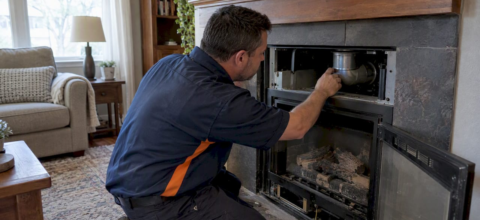
Gas: There have been many artistic advances in gas fireplaces. The flames have become more realistic and some versions offer various heights. The logs used in gas fireplaces now more closely favor the real thing and come complete with glowing embers, which don’t demand you to wait while they go out. You can simply switch your gas fireplace on and off, providing you more control over room temperature and frees you from having to look after your fire. The lack of fire stealing oxygen gives gas fireplaces a 75% to 99% efficiency rating. Picture the level of comfort you could achieve when you combine that with a fully serviced furnace.
Air Quality and Maintenance
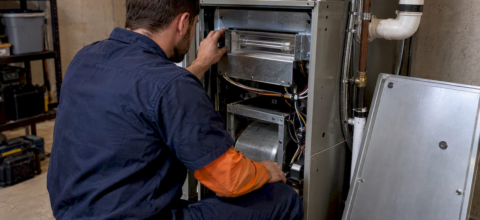
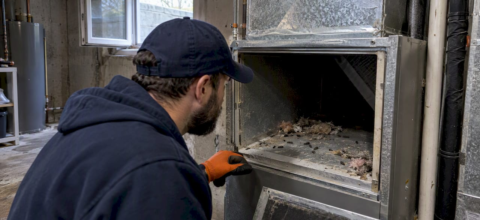
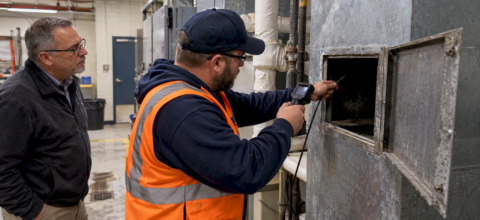
Wood: Air quality is vital to homeowners and homebuyers. Burning wood creates air pollution in and outside the home and the smoky wood aroma that a wood burning fireplace emits could be hazardous to your family’s. Wood also creates a byproduct called creosote that lines the coating of the chimney and must be removed by a professional chimney sweep. Much like furnaces that should have furnace service completed regularly, gas fireplaces also require regular cleanings of soot and spent logs.
Gas: Gas fireplaces only require some dusting every now and then and are practically maintenance free. It is advised that you get your gas fireplace cleaned and adjusted every 12 months by a professional to keep it functioning both safely and effectively.
Call 800-482-8224 to schedule an appointment with an Amazon Air Duct Cleaning Professional today!