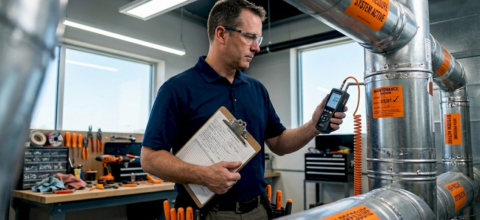
Difference between duct and vent cleaning for homeowners
Many homeowners believe vent cleaning and duct cleaning are interchangeable terms for the same service. This misconception leads to confusion when choosing maintenance options and can result in inadequate air quality improvements or wasted money on unnecessary services. Understanding the distinct purposes, scopes, and benefits of each cleaning type empowers you to make informed decisions that protect your family’s health, improve HVAC efficiency, and maintain a comfortable indoor environment. This guide clarifies what each service involves, when to choose one over the other, and how dryer vent cleaning fits into your home maintenance strategy.
Table of Contents
- What Is Vent Cleaning And When Is It Enough?
- Understanding Duct Cleaning: Scope And Benefits
- Dryer Vent Cleaning Versus Duct And Vent Cleaning: Key Distinctions
- When To Choose Duct Cleaning Vs. Vent Cleaning: Practical Homeowner Guide
- Professional Duct And Vent Cleaning Services In Ny, Nj, And Ct
- Frequently Asked Questions
Key takeaways
| Point | Details |
|---|---|
| Vent cleaning targets visible covers and local airflow issues | This service addresses surface dust on registers and grills without deep system penetration |
| Duct cleaning involves thorough cleaning of the entire HVAC network | Professionals remove allergens, mold, and contaminants from all ducts and components |
| Dryer vent cleaning focuses on removing lint to prevent fire hazards | This separate service protects against dryer fires and improves appliance efficiency |
| Duct cleaning improves indoor air quality and energy efficiency | Clean ducts reduce energy waste and circulate healthier air throughout your home |
| Homes with pets, renovations, or allergies may need frequent cleaning | Certain conditions accelerate contamination and require more regular professional attention |
What is vent cleaning and when is it enough?
Vent cleaning is a surface-level service that focuses on visible vent cover and removes surface buildup, improving airflow and aesthetics. Technicians clean registers, grills, and the immediate area around air vents where dust and debris accumulate over time. This process typically involves vacuuming, wiping down covers, and ensuring nothing blocks airflow at entry and exit points.
The service addresses minor airflow problems caused by surface obstructions. You might notice reduced air coming from specific vents or visible dust rings around registers. Vent cleaning resolves these localized issues quickly without requiring extensive equipment or system access. It’s a straightforward maintenance task that many homeowners schedule annually or semi-annually.
Vent cleaning costs significantly less than comprehensive duct cleaning because it requires minimal time and basic tools. Most jobs finish within an hour or two, depending on the number of vents in your home. This makes it an attractive option for routine upkeep when no deep contamination exists.
Consider vent cleaning sufficient when you only see surface dust accumulation. If your HVAC system runs efficiently, you have no allergy concerns, and no renovation projects have introduced debris into ducts, regular vent cleaning maintains acceptable conditions. Pairing this service with fall HVAC tips helps prepare your system for seasonal changes.
Pro Tip: Schedule vent cleaning during spring and fall when you switch between heating and cooling modes to ensure optimal airflow as seasons change.
Key situations where vent cleaning alone works well:
- New homes with recently installed HVAC systems
- Properties with minimal dust exposure
- Homes without pets or smokers
- Spaces with good ventilation and air filtration
- Regular maintenance between comprehensive duct cleanings
Understanding duct cleaning: scope and benefits
Duct cleaning is a comprehensive service that involves cleaning the entire duct network, including supply and return trunks, branch lines, and furnace components. This thorough process removes accumulated dust, mold spores, bacteria, pet dander, pollen, and other contaminants that circulate through your home every time the HVAC system runs. Unlike surface cleaning, duct cleaning penetrates deep into the system where problems originate.

Professional technicians use specialized equipment like HEPA vacuums and rotary brushes to remove allergens, mold, and contaminants that standard home vacuums cannot reach. These industrial tools create negative pressure throughout the duct system, dislodging debris while simultaneously capturing it to prevent redistribution into living spaces. The process includes cleaning air handlers, coils, drain pans, and other components where moisture and organic material create ideal conditions for microbial growth.
The health benefits of professional duct cleaning extend beyond simple dust removal. Contaminated ducts continuously recirculate allergens and irritants, aggravating respiratory conditions like asthma and allergies. Clean ducts mean cleaner air for your family, reducing symptoms and creating a healthier indoor environment. This becomes especially important for households with young children, elderly residents, or anyone with compromised immune systems.
Energy efficiency improves dramatically after duct cleaning because dirty HVAC systems can waste 25-40% energy, increasing costs and reducing comfort. Buildup restricts airflow, forcing your system to work harder to maintain desired temperatures. This extra strain increases utility bills and accelerates wear on expensive components. Clean ducts allow air to flow freely, reducing energy consumption and extending equipment lifespan.

Experts recommend scheduling duct cleaning every three to five years for most homes. However, certain conditions warrant more frequent service. Properties with multiple pets accumulate dander faster. Homes with smokers develop sticky residue that traps particles. Recent renovations introduce construction dust that settles throughout ductwork. Understanding the importance of duct cleaning helps you recognize when to get ducts cleaned based on your specific circumstances.
Pro Tip: Schedule duct cleaning after major home renovations, even if your last cleaning was recent, because construction dust penetrates every part of your HVAC system.
Clean ducts reduce the risk of expensive HVAC repairs by preventing debris from damaging sensitive components like blower motors and heat exchangers.
Situations requiring professional duct cleaning:
- Visible mold growth inside ducts or on components
- Excessive dust accumulation despite regular cleaning
- Musty or stale odors when the system runs
- Recent water damage or flooding
- Vermin infestation in ductwork
- Unexplained allergy or respiratory symptoms
Dryer vent cleaning versus duct and vent cleaning: key distinctions
Dryer vent cleaning serves an entirely different purpose than HVAC services. This specialized maintenance removes lint and debris from dryer exhaust, preventing fire hazards that pose serious safety risks. Lint is highly flammable, and restricted airflow causes dryers to overheat. Thousands of residential fires start annually because homeowners neglect this critical maintenance task.
The physical differences between dryer vents and HVAC ducts are substantial. Dryer vents exhaust hot, moist air and are simpler and shorter than HVAC ducts, typically running from the appliance to an exterior wall. HVAC ductwork forms a complex network throughout your home, distributing conditioned air to multiple rooms. Dryer vents accumulate lint with every load, while HVAC ducts collect diverse contaminants over months and years.
Air duct cleaning focuses on indoor air quality by removing allergens, dust, and microbial growth from your heating and cooling system. Dryer vent cleaning prioritizes fire prevention and appliance efficiency. Both services protect your home, but they address completely different systems and risks. Confusing them can leave critical maintenance gaps that compromise safety or health.
Regular dryer vent cleaning also improves appliance performance and longevity. Restricted vents force dryers to run longer, consuming more energy and wearing out components faster. Clothes take multiple cycles to dry completely, wasting time and money. Professional cleaning restores proper airflow, reducing drying time and energy costs while extending your dryer’s lifespan. Understanding the dryer vent cleaning guide helps you maintain this essential appliance safely.
| Feature | Dryer Vent Cleaning | HVAC Duct Cleaning |
|---|---|---|
| Primary purpose | Fire prevention and appliance efficiency | Indoor air quality and system efficiency |
| Main contaminant | Lint and fabric fibers | Dust, allergens, mold, bacteria |
| System complexity | Simple, short exhaust path | Complex network throughout home |
| Cleaning frequency | Annually or more often with heavy use | Every 3-5 years or as needed |
| Safety risk if neglected | Fire hazard | Health issues, poor air quality |
Signs you need dryer vent cleaning:
- Clothes take longer than normal to dry
- Dryer exterior feels unusually hot
- Burning smell during operation
- Lint visible around dryer door or vent opening
- Increased humidity in laundry area
Consider professional dryer vent cleaning services at least once yearly, or more frequently if you do multiple loads daily or notice any warning signs.
When to choose duct cleaning vs. vent cleaning: practical homeowner guide
Recognizing symptoms helps you determine which service your home needs. Visible dust accumulation around vent covers suggests surface cleaning might suffice. However, persistent musty odors when your system runs indicate deeper contamination requiring comprehensive duct cleaning. Increased allergy symptoms, unexplained respiratory irritation, or visible mold growth demand immediate professional attention.
Airflow problems provide important diagnostic clues. Weak airflow from specific vents might result from blocked registers that vent cleaning resolves. Inconsistent temperatures throughout your home or reduced overall system performance typically indicate ductwork contamination that only comprehensive cleaning addresses. Pay attention to how your HVAC system behaves and responds to basic maintenance.
Your home environment and lifestyle significantly influence cleaning needs. Homes with pets, smokers, allergies, or recent renovations benefit from more frequent duct cleaning because these factors accelerate contamination. Pet dander circulates continuously, smoke residue coats surfaces, and renovation dust accumulation inside ducts necessitates professional duct cleaning even if your last service was recent.
Scheduling guidelines help maintain optimal conditions. Most homes benefit from duct cleaning every three to five years under normal conditions. Properties with accelerated contamination factors need service every two to three years. Vent cleaning can occur more frequently, perhaps annually or seasonally, as part of routine maintenance. Track your cleaning history and adjust frequency based on observable conditions and professional recommendations.
Regular filter changes complement professional cleaning and protect your investment. Replacing HVAC filters and regular maintenance extend system life and reduce emergency repair costs by preventing debris from entering ductwork. High-quality filters capture more particles, reducing accumulation rates. This simple habit between professional cleanings maintains better air quality and system efficiency.
Pro Tip: Keep a home maintenance log documenting cleaning dates, filter changes, and any air quality concerns to help professionals assess your needs accurately and establish optimal service intervals.
Follow this decision framework:
- Assess visible conditions around vents and registers for surface dust
- Evaluate system performance including airflow and temperature consistency
- Consider household factors like pets, allergies, smoking, or recent construction
- Review your cleaning history to determine time since last professional service
- Consult with certified professionals if symptoms persist after basic maintenance
| Condition | Vent Cleaning | Duct Cleaning |
|---|---|---|
| Surface dust on registers | Yes | Not necessary |
| Musty odors when system runs | No | Yes |
| Weak airflow from one vent | Yes | Maybe |
| Inconsistent temperatures throughout home | No | Yes |
| Recent renovation project | No | Yes |
| New pet in household | No | Yes within 6-12 months |
| Visible mold in ductwork | No | Yes immediately |
Understanding when to clean air ducts based on specific indicators prevents both premature service and dangerous delays. Professional assessments provide personalized recommendations based on your unique situation. Learn more about duct cleaning after renovation to protect your investment in home improvements.
Professional duct and vent cleaning services in NY, NJ, and CT
Amazon Air Pro specializes in comprehensive cleaning services tailored to homeowners and property managers throughout New York, New Jersey, and Connecticut. Our NADCA-certified technicians bring over 10 years of experience to every job, using industry-leading equipment and proven techniques that deliver measurable results. We understand the unique challenges of maintaining indoor air quality in our region’s climate and housing stock.

Whether you need routine maintenance or urgent contamination remediation, our team provides flexible scheduling and transparent pricing. We offer complete solutions including air duct cleaning, dryer vent cleaning, and chimney cleaning to keep your entire home safe and efficient. Our systematic approach ensures thorough cleaning while protecting your property and respecting your time. Discover more about air duct cleaning timing and the benefits of post-renovation duct cleaning to make informed decisions. Schedule your dryer vent cleaning today and breathe easier knowing your home systems operate safely and efficiently.
Frequently asked questions
What is the main difference between duct and vent cleaning?
Duct cleaning is a comprehensive service that cleans your entire HVAC system, including all supply and return ducts, trunks, branches, and furnace components. Vent cleaning focuses only on visible vent covers, registers, and grills where surface dust accumulates. Duct cleaning requires specialized equipment to reach deep into your system and remove contaminants that affect air quality throughout your home. Vent cleaning is a simpler surface maintenance task that addresses localized dust without penetrating the ductwork network.
How often should I clean my air ducts and vents?
General recommendations suggest duct cleaning every three to five years for most homes under normal conditions. However, homes with pets or allergies need it every two to three years because these factors accelerate contamination. Vent cleaning can occur more frequently, perhaps annually or seasonally, as part of routine maintenance. Your specific needs depend on factors like pets, smoking, recent renovations, local air quality, and any respiratory sensitivities in your household.
Is dryer vent cleaning necessary if I already clean air ducts?
Yes, dryer vent cleaning is necessary to remove lint buildup, a major fire hazard, separate from HVAC duct cleaning. These are completely different systems serving different purposes. Air duct cleaning addresses your heating and cooling system, while dryer vent cleaning prevents fires and improves appliance efficiency. Lint accumulation in dryer vents poses serious safety risks that HVAC maintenance does not address. Both services protect your home but target distinct systems requiring separate attention.
Should I hire professionals or attempt vent and duct cleaning myself?
Professional cleaning ensures thorough contaminant removal using equipment and expertise that deliver superior results. Professional duct cleaning uses specialized equipment like HEPA vacuums; typical vacuums are insufficient for reaching deep into ductwork or capturing microscopic particles. DIY attempts often spread debris throughout your home rather than removing it completely. Professionals also identify hidden problems like mold growth, pest infestations, or damaged ductwork that homeowners miss. For comprehensive cleaning and peace of mind, professional service provides better value despite higher upfront costs. Learn more about DIY vs professional vent cleaning to make informed decisions.
Recommended
- DIY vs. Professional Dryer Vent Cleaning: All You Need to Know
- Don’t Skip Air Duct Cleaning After Renovation (Here’s Why)
- How Much Does It Cost to Get Air Ducts Cleaned in 2025?
- When to Get Your Air Ducts Cleaned, According to Pros