What Is Allergen Buildup in Ducts: A Homeowner’s Guide
TL;DR:
- Allergen buildup in ducts consists of dust, pollen, pet dander, and mold spores that settle inside HVAC systems and can circulate throughout the home. Moisture control and full-system cleaning are essential for reducing biological growth and allergen levels, while regular maintenance prevents accumulation. Visible issues like mold, pest infestation, or debris discharge indicate when professional duct cleaning is necessary for improving indoor air quality.
Allergen buildup in ducts is the accumulation of dust, pollen, pet dander, mold spores, and other airborne irritants on the interior surfaces of your home’s HVAC ductwork. Over time, these particles settle inside the system and can be redistributed through your living spaces every time the heating or cooling runs. For homeowners in New York, New Jersey, and Connecticut, where homes are often tightly sealed against cold winters, this buildup is a real and manageable concern. The EPA and NADCA both recognize allergen accumulation in air ducts as a contributing factor to indoor air quality problems, particularly when moisture is present.
What is allergen buildup in ducts and what causes it?
Dust, pet dander, pollen, and mold spores are the four primary allergens that accumulate inside ductwork. Each enters the system through return air vents, gaps in duct sealing, or directly from the living space during normal HVAC operation. Once inside, they settle on duct walls, insulation liners, and HVAC components like coils and drain pans.

Moisture is the single biggest driver of serious allergen buildup. When condensation forms on cooling coils or inside poorly insulated ducts, it creates conditions where mold spores germinate and biological growth takes hold. The EPA identifies moisture control as the most effective way to stop biological contamination inside duct systems. Without it, cleaning alone only provides temporary relief.
Several other factors accelerate the causes of allergen buildup:
- Pets: Dogs and cats shed dander continuously. It enters return vents and coats duct surfaces within weeks of a new pet arriving in the home.
- Poor duct sealing: Gaps and loose joints pull unconditioned air from attics, crawl spaces, and wall cavities directly into the airstream, carrying dust and pollen with it.
- Inadequate filtration: A MERV 6 or lower filter allows fine particles to pass through and deposit deeper in the system.
- Indoor activities: Cooking, cleaning, and even walking across carpeted floors stir up particles that the return air system draws in.
- Outdoor air infiltration: In the New York metro area, seasonal pollen counts are high in spring and fall. Homes with older windows or poor weatherstripping allow significant outdoor allergen entry.
Pro Tip: Replace your HVAC filter every 60 to 90 days, and upgrade to a MERV 11 or MERV 13 rated filter. This single step reduces the volume of particles reaching duct surfaces without restricting airflow in most residential systems.
How does allergen buildup in ducts affect your health and home?

Allergens in ducts affect your health by re-entering your breathing air each time the HVAC system cycles on. The blower fan creates airflow that dislodges settled particles from duct surfaces and carries them through supply vents into bedrooms, living rooms, and kitchens. This is the mechanism behind symptoms that seem to worsen when the heat or air conditioning turns on.
Common symptoms linked to allergen exposure from ducts include:
- Sneezing and nasal congestion shortly after the HVAC starts running
- Itchy or watery eyes, particularly in rooms directly below supply vents
- Persistent coughing or throat irritation with no obvious illness
- Worsening asthma symptoms during heating season
- Musty odors when air first flows through vents, which may indicate mold presence
That said, the EPA notes that ducts are rarely the sole source of allergy symptoms. Outdoor air, cooking fumes, pet exposure, and household dust from surfaces all contribute more directly to particle exposure than dirty ducts alone. Ducts are one piece of a larger picture.
Dirty ducts act more like a slow-release reservoir than an immediate trigger. They don’t cause allergies on their own, but they can keep allergen levels elevated in your home long after you’ve addressed other sources.
The effects of dust in ducts compound over time. A system that hasn’t been cleaned in several years can harbor layers of debris that no amount of surface cleaning in your living space will address. For property managers overseeing multi-unit buildings in New Jersey or Connecticut, this is especially relevant because shared HVAC systems can distribute contaminants across multiple units simultaneously.
When and why should you consider duct cleaning for allergen removal?
The EPA recommends duct cleaning in specific situations: visible mold growth inside ducts or on HVAC components, evidence of pest or rodent infestation, and ducts so clogged with debris that particles are visibly released into the home. Outside of these conditions, routine cleaning is a judgment call based on your home’s history and occupant health needs.
Here are the clearest signs that your ducts need attention:
- Dust puffs from vents when the system starts. Visible debris discharge is a direct indicator of excessive buildup.
- Musty or stale odors from supply vents, which suggest mold or biological growth inside the system.
- Allergy flare-ups that correlate with HVAC operation and don’t improve with surface cleaning or filter changes.
- Recent renovation work in your home. Drywall dust, insulation fibers, and construction debris enter duct systems during remodeling and are difficult to remove without professional equipment.
- Moving into a previously owned home with no cleaning history. You simply don’t know what the previous occupants’ pets, habits, or maintenance record looked like.
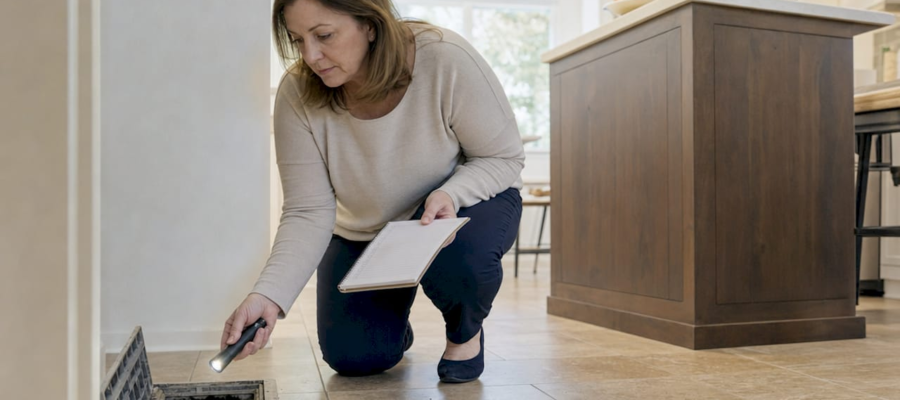
Pro Tip: Before scheduling a cleaning, check your supply and return vents by removing a register and shining a flashlight inside. If you see visible debris coating the duct walls within the first foot, that’s a genuine red flag worth acting on.
The EPA also cautions that partial system cleaning without addressing all contaminated HVAC components can result in re-contamination. Cleaning the ducts while leaving dirty coils, drain pans, or air handlers in place means allergens will simply migrate back into the ductwork within weeks.
| Consider duct cleaning if… | You can probably wait if… |
|---|---|
| Visible mold is present in ducts or on components | Ducts were cleaned within the last 3 to 5 years |
| Pests or rodents have been found in the system | No visible debris or odor from vents |
| Dust visibly discharges from supply vents | Allergy symptoms are controlled by other measures |
| You’ve completed a major home renovation | Filter changes alone have improved air quality |
| You moved into a home with unknown maintenance history | The HVAC system is relatively new and well-maintained |
Effective strategies to reduce allergen accumulation in your HVAC system
Preventing allergen buildup is more cost-effective than repeatedly cleaning a neglected system. The strategies below address the root causes rather than the symptoms.
Moisture control comes first. Managing condensation on cooling coils, keeping condensate drain pans clear, and sealing duct insulation properly are the most direct ways to prevent mold growth inside the system. The EPA’s guidance consistently places moisture management above all other interventions for biological contamination control.
Regular HVAC maintenance matters more than most homeowners realize. An annual inspection by a licensed HVAC technician covers coil cleaning, drain pan flushing, and duct integrity checks. These visits catch moisture problems and debris accumulation before they become serious allergen reservoirs.
Additional ways to reduce allergens in your duct system include:
- Seal duct leaks with mastic sealant or metal tape (not standard duct tape, which degrades). Leaky ducts in unconditioned spaces pull in unfiltered air from attics and crawl spaces.
- Use proper filtration and change filters on schedule. A clogged filter bypasses entirely, sending unfiltered air directly into the system.
- Vacuum and dust regularly using a HEPA-equipped vacuum. Reducing surface allergens in your home lowers the volume of particles the return system draws in.
- Control indoor humidity between 30% and 50%. A whole-home dehumidifier or properly sized air conditioner keeps moisture levels in the range where mold cannot establish itself.
- Limit indoor allergen sources where possible. Grooming pets regularly and using asthma-safe cleaning practices reduces the particle load entering the HVAC system.
When it comes to professional cleaning, the shift in EPA guidance toward source removal cleaning aligns with NADCA standards. This approach physically removes contaminants from the entire system rather than masking odors with chemical sprays or ozone treatments. Ask any contractor you hire whether they follow NADCA’s Assessment, Cleaning, and Restoration (ACR) standard. If they can’t answer that question, look elsewhere.
Pro Tip: DIY duct cleaning tools sold at hardware stores only reach the first few feet of ductwork from a register opening. Homeowner DIY cleaning misses coils, drain pans, and internal duct liners entirely. For genuine allergen reduction, professional equipment and access are necessary.
Common misconceptions about allergen buildup in ducts
Several persistent myths lead homeowners to either over-invest in duct cleaning or ignore a genuine problem. Here’s what the EPA actually says.
Myth: Dirty ducts are the main cause of your allergies. The EPA’s position is that multiple contaminant sources beyond ducts drive indoor air quality problems. Outdoor air, cooking, smoking, and everyday movement contribute more directly to particle exposure in most homes.
Myth: Dust on your registers means your ducts are contaminated. Register grilles collect surface dust from the room, not necessarily from inside the duct system. Dusty registers warrant a closer look, but they are not conclusive evidence of internal duct contamination.
Myth: Chemical biocides and ozone treatments are effective and safe. The EPA does not recommend the routine use of chemical biocides or ozone inside duct systems. These treatments have not been proven effective for long-term allergen control and carry their own health risks.
Myth: Duct cleaning always improves air quality. The EPA states that particle levels don’t reliably decrease after cleaning unless the full system is addressed and moisture problems are resolved. Cleaning alone, without fixing the underlying causes, provides limited benefit.
Understanding these distinctions helps you make a genuinely informed decision rather than reacting to a sales pitch.
Key takeaways
Allergen buildup in ducts is a real but manageable problem, and moisture control combined with full-system professional cleaning is the most reliable path to lasting improvement.
| Point | Details |
|---|---|
| Definition of allergen buildup | Dust, pollen, pet dander, and mold spores accumulate on duct surfaces and re-enter air when HVAC runs. |
| Moisture is the root driver | Condensation inside ducts promotes mold growth; managing coils and drain pans is the primary prevention. |
| EPA-recommended cleaning triggers | Clean ducts when visible mold, pest infestation, or debris discharge is confirmed, not on a fixed schedule. |
| Full-system cleaning is required | Partial cleaning without addressing coils and air handlers leads to rapid re-contamination. |
| Ducts are one of many sources | Outdoor air, pets, and indoor activities contribute more to allergen exposure than dirty ducts alone. |
My honest read on duct allergens after a decade in this field
Victor here. After working with homeowners across New York, New Jersey, and Connecticut for over ten years, the pattern I see most often is this: people either panic about their ducts or ignore them entirely. Neither response serves them well.
The homeowners who get the best results are the ones who treat duct cleaning as one component of a broader air quality strategy, not a silver bullet. They fix moisture problems first. They upgrade their filtration. They schedule professional maintenance annually. And when they do call for a duct cleaning, they ask the right questions and hire someone who follows NADCA standards and performs full-system source removal rather than a surface-level pass.
The biggest mistake I see is hiring the cheapest option available and expecting meaningful results. A $99 duct cleaning special rarely includes coil cleaning, drain pan service, or proper negative pressure containment. You end up with dislodged debris redistributed through your home rather than removed from it. That’s worse than doing nothing. Spend the time to vet your contractor, check for NADCA certification, and ask for a written scope of work before anyone touches your system. Your indoor air quality is worth that conversation.
— Victor
Ready to address allergen buildup in your home’s ducts?
If you’ve identified signs of allergen accumulation in your air ducts, or if your home simply hasn’t had a professional inspection in several years, Amazonairpro is ready to help.

Amazonairpro provides professional duct cleaning for residential and commercial properties across New York, New Jersey, and Connecticut. Our team follows source removal protocols that address the full HVAC system, including coils, drain pans, and duct liners, not just the visible ductwork. We also offer dryer vent cleaning and chimney cleaning as part of a complete indoor air quality approach. If you’re not sure whether your ducts need attention, our signs your ducts need cleaning guide can help you decide before you commit to a service call.
FAQ
What is allergen buildup in ducts, exactly?
Allergen buildup in ducts is the accumulation of dust, pollen, pet dander, mold spores, and other irritants on the interior surfaces of HVAC ductwork. These particles settle over time and are redistributed into living spaces when the system runs.
Does duct cleaning actually reduce allergy symptoms?
Duct cleaning can help reduce allergen levels, but the EPA notes that particle levels don’t reliably decrease unless the full HVAC system is cleaned and moisture problems are resolved. It works best as part of a broader air quality strategy.
How often should ducts be cleaned for allergen control?
There is no universal schedule. The EPA recommends cleaning when specific conditions are present, such as visible mold, pest infestation, or debris discharge from vents. Most homes benefit from an inspection every three to five years.
Can I clean my ducts myself to remove allergens?
DIY tools only reach the first few feet from a register opening and miss internal components like coils and drain pans. Professional equipment is required for effective allergen removal from the full system.
What is the most effective way to prevent allergen buildup in ducts?
Moisture control is the most effective prevention measure, according to EPA guidance. Keeping coils clean, drain pans clear, and duct insulation properly sealed stops biological growth before it starts. Upgrading to a MERV 11 or higher filter and scheduling annual HVAC maintenance also reduces dust accumulation in ducts significantly.
Recommended
- Allergen removal in ducts: improve indoor air quality – Amazon Air Duct Cleaning
- Does duct cleaning help with allergies? What homeowners should know – Amazon Air Duct Cleaning
- Understanding Dust in Ducts: Improve Your Home’s Air Quality – Amazon Air Duct Cleaning
- Duct cleaning terminology explained: a homeowner’s guide – Amazon Air Duct Cleaning