What Top White Plains Allergists Advise for Reducing Dust Mites in Your Home
Dust mites are one of the biggest indoor allergen problems for families in Westchester County. These tiny bugs are so small you can’t see them without a microscope. They live in warm, humid spots and eat the dead skin cells we all shed naturally. What makes people sneeze and wheeze isn’t the mites themselves – it’s their droppings and body parts floating around in the air.
Allergists in the White Plains area see patients dealing with dust mite problems all year long. Unlike pollen that comes and goes with seasons, dust mites stick around constantly, which is why controlling them becomes so important for people with allergies.
The Common Places Dust Mites Are Thriving in Your Home
Your bedroom usually has the most dust mites, especially in mattresses, pillows, and bed sheets. These spots stay warm and collect moisture from your body while you sleep, plus they get a steady supply of dead skin cells. Couches, carpets, and thick curtains also collect these allergens.
Many older homes in Westchester County make the problem worse. These houses often don’t have good ventilation and may have years of dust built up in places that are hard to clean – like inside walls and under old flooring.
How New York Weather Makes Things Worse
Living in New York creates extra challenges for dust mite control. Humid summers combined with heated homes in winter can keep moisture levels high enough for mites to multiply. This means you need to stay on top of humidity management all year, not just during one season.
How Humidity Creates the Perfect Breeding Conditions
Controlling humidity is the best way to reduce dust mites long-term. White Plains allergists recommend keeping humidity below 50%, with 30-45% being the sweet spot for both comfort and keeping mites away. You’ll need a dehumidifier during New York’s humid months, especially in basements and other damp areas.
Air conditioning helps in two ways – it cools your home and removes moisture from the air. Running your AC consistently during warm weather prevents the humidity buildup that helps mites multiply while also filtering particles through your HVAC system.
The Bedroom Setup That Keeps Allergies Away
Start With Your Bed
Allergy-proof covers for mattresses and pillows are the first line of defense against dust mites. These tightly woven barriers stop mites from burrowing in and keep existing allergens from spreading. Wash bedding weekly in hot water (130°F or higher) to kill mites and remove their waste.
Pick Easy-to-Clean Surfaces
Furniture choices matter. Wood, leather, or vinyl surfaces wipe down quickly and don’t trap dust. Cut back on upholstered chairs, fabric headboards, and heavy curtains that give mites a place to hide.
Flooring and Clutter Control
Wall-to-wall carpet is a dust-mite haven. Hard floors with washable rugs are easier to keep clean. Reduce clutter by limiting stuffed animals, decorative pillows, and piles of books that collect dust.
Go Beyond Bedroom Surfaces
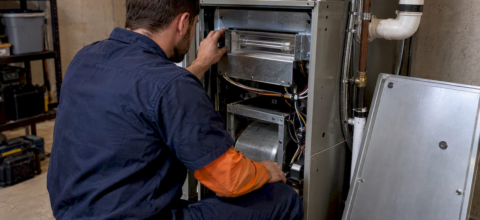
Even after scrubbing bedding and furniture, hidden allergens linger in your HVAC. Without regular cleaning, dust and clogged coils can keep circulating particles that undo your hard work.
Cleaning Dust Mites the Right Way (So They Stay Gone)
Vacuum With HEPA Power
Vacuum cleaners with HEPA filters trap particles that normal filters let slip through. Using double-thick bags keeps allergens locked in when you empty the machine, instead of sending them back into the air.
Use Steam to Kill and Lift Allergens
Steam cleaning combines heat and moisture to kill mites and loosen embedded allergens. It’s especially useful for carpets or rugs you can’t remove. While home machines help, professional steam cleaning reaches deeper and works more effectively.
Clear Hidden Reservoirs of Dust
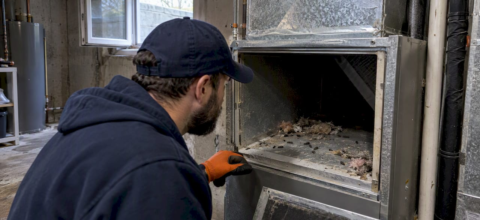
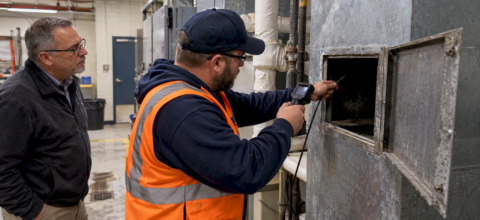
Even after surface cleaning, your HVAC system can keep spreading allergens. Dust and debris collect in ducts and blow into rooms every time the heat or AC runs. A professional air duct cleaning removes years of buildup so your cleaning efforts actually last.
White Plains Allergists’ Year-Round Strategy for Dust Mite Control
Getting rid of dust mites works best when you combine humidity control, regular cleaning, and smart changes to your home setup. No single approach fixes everything, but using several methods together gives you much better results in reducing allergen exposure. Staying consistent with maintenance helps keep these improvements working over time.
Preventing dust mites takes ongoing attention to all parts of your home systems. From how you handle bedding to maintaining your HVAC system, each piece contributes to keeping allergens under control in Westchester County homes.