Grass Pollen Season in Connecticut: How Stamford Families Can Find Relief Indoors
Connecticut’s beautiful spring and summer months bring lush green lawns across Stamford neighborhoods. But this scenery comes with a challenge for local families: grass pollen season means months of sneezing, watery eyes, and breathing issues that can make outdoor time miserable.
Grass pollen season runs from May through July, with June usually being the worst month. During this time, Timothy grass and Kentucky bluegrass release tiny pollen particles into the air, creating an invisible cloud of allergens that affects millions of residents.
When Grass Pollen Season Hits Stamford the Hardest
Grass pollen counts follow the same pattern each year. May starts the season as temperatures warm up and days get longer. June is typically the worst month, when Timothy grass, Kentucky bluegrass, and other local varieties hit their peak.
July keeps the pollen coming, though levels often start dropping by the end of the month. Daily weather makes a big difference – dry, windy days send pollen everywhere, while rain washes it out of the air and gives you a break.
Why Living in Stamford Makes Your Pollen Allergies So Much Worse
- Coastal air spreads pollen farther. Sea breezes push grass and tree pollen into neighborhoods, and ducts in constant use keep it circulating indoors.
- Older and shared buildings add risks. Multi-family homes often have older ductwork or shared ventilation, moving allergens between units.
- Active family life brings pollen inside. Kids’ outdoor sports at parks like Cummings and Scalzi mean more pollen carried in on clothes and gear.
- Heavy traffic adds to exposure. Busy commutes and time spent along I-95 or downtown streets stir up allergens that follow you indoors.
- Local greenery adds to seasonal allergy triggers. Stamford’s tree-lined neighborhoods and parks make the city beautiful but also keep pollen levels high during peak season.
Is Your HVAC System Spreading Pollen Throughout Your Home?
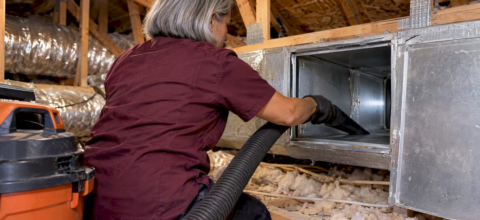
Heating and cooling systems can act like pollen highways if they are not maintained. Over time, ductwork collects particles that get blown around every time the system runs. Even small gaps around windows and doors let pollen sneak in, so check weather stripping and caulking during peak season.
Simple Steps to Keep Pollen Outside Where It Belongs
Even when you stay indoors, pollen and other allergens can still find ways inside. Learning how to reduce allergens in home settings starts with a few small changes that keep your space more comfortable during allergy season.
Keeping Pollen From Sneaking Inside
Focus on entry points. Keep mats both inside and outside, and set up a spot near the main entrance to leave shoes and outdoor clothes. Creating slight indoor air pressure paired with good filtration helps push outdoor air away from doorways.
Daily Habits That Help
Vacuum with a HEPA filter to catch tiny particles in carpets and furniture. Wash bedding weekly in hot water, and use allergen-proof pillow and mattress covers for added protection during peak pollen months.
Tracking Indoor Air Quality
Air quality monitors show real-time allergen levels, so you can adjust filters and indoor activities based on actual conditions instead of guessing. These give you useful information for improving your allergen reduction plan.
Managing Pet Dander
Pet dander and fur can accumulate in your ductwork, so it is important to brush pets often, keep them out of bedrooms, and use an air purifier in spaces where they spend the most time.
Stopping Mold at the Source
Run exhaust fans in kitchens and bathrooms, repair leaks quickly, and use a dehumidifier in damp areas. Clean common problem spots such as shower curtains and window sills to keep mold from taking hold.
When to Call in Professionals
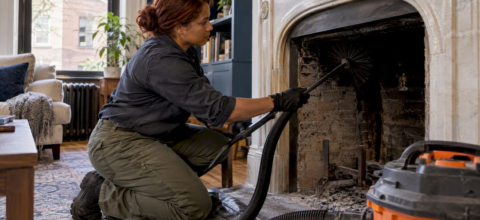
Routine cleaning won’t reach deep into ducts where allergens build up. Professional duct cleaning removes years of settled pollen, tackling the root problem instead of just surface symptoms. If seasonal pollen is a big trigger, scheduling a service can make a noticeable difference.
Don’t Let Stamford’s Pollen Season Ruin Your Home’s Comfort
Connecticut’s grass pollen season challenges families every year, but managing indoor air quality can turn homes into comfortable spaces away from outdoor allergens. Professional cleaning of HVAC ducts, proper filtration, and simple home adjustments create environments where families breathe more easily.
For children and allergy-sensitive family members, these steps can be the difference between a difficult season and a manageable one.
You cannot control outdoor pollen, but you can take charge indoors. With steady, consistent routines, your home can remain a safe haven during allergy season.