How to prevent mold in ducts for healthier indoor air
Mold growth in air ducts is a persistent problem for homeowners and property managers across New York and New Jersey, where humid summers and temperature fluctuations create ideal conditions for contamination. When mold colonizes your ductwork, it compromises indoor air quality, triggers respiratory issues, and reduces HVAC efficiency. Understanding how to prevent mold from establishing itself in your ducts protects both your health and your heating and cooling investment. This guide delivers practical, actionable strategies you can implement immediately to keep your ductwork clean and your indoor environment safe.
Table of Contents
- Key takeaways
- Understanding mold growth in air ducts
- Preparing your ducts and home to prevent mold
- Step-by-step guide to preventing mold in your ducts
- Monitoring and maintaining mold-free ducts over time
- Prevent mold with professional duct cleaning services in NY and NJ
- FAQ
Key Takeaways
| Point | Details |
|---|---|
| Moisture control | Identify condensation sources and leaks and keep indoor humidity low with dehumidification to prevent mold growth in ducts. |
| Duct material matters | Fiberglass lined ducts are difficult to clean once mold penetrates the porous lining, so replacement is often necessary while metal ducts resist mold and respond to cleaning. |
| HVAC sizing matters | Properly size and balance the system to prevent short cycling and ensure adequate dehumidification to reduce mold risk. |
| Duct health routine | Conduct regular duct inspections and seal leaks to stop moisture intrusion and maintain clean air pathways. |
Understanding mold growth in air ducts
Mold thrives in environments where moisture accumulates and airflow remains insufficient. Your air ducts create these conditions when condensation forms on cool surfaces, leaks introduce water, or humidity levels stay elevated. In New York and New Jersey, summer humidity regularly exceeds 70%, while winter heating cycles create temperature differentials that generate condensation inside ductwork. These regional climate patterns make local properties particularly vulnerable to mold colonization.
Your HVAC system’s performance directly influences mold risk. When air conditioning units cycle on and off too quickly, a problem called short cycling, they fail to run long enough to remove humidity effectively. This inadequate dehumidification leaves moisture in the air and on duct surfaces, creating perfect breeding grounds for mold spores. Oversized systems cause this issue most frequently, turning on, cooling the space rapidly, then shutting off before completing a full dehumidification cycle.
Duct construction materials play a critical role in mold prevention and remediation. Fiberglass-lined ducts cannot be effectively cleaned once mold penetrates the porous lining material. The fibers trap mold growth deep within their structure, making surface cleaning futile. When you discover mold in fiberglass-lined ductwork, replacement becomes the only reliable solution. Metal ducts with smooth interior surfaces resist mold better and respond well to professional cleaning when contamination occurs.
Recognizing these mold growth mechanisms helps you target prevention efforts effectively:
- Moisture accumulation from condensation, leaks, or high humidity feeds mold colonies
- Poor airflow creates stagnant zones where mold spores settle and multiply
- Organic dust and debris provide nutrients that support mold growth
- Temperature fluctuations between seasons increase condensation risk
- Inadequate system maintenance allows small problems to become major contamination
Understanding how mold detection and prevention work together empowers you to take proactive steps before contamination becomes severe. The EPA’s mold course materials provide additional technical background on growth conditions and health impacts.
Preparing your ducts and home to prevent mold
Before implementing ongoing prevention measures, you need to establish baseline conditions that resist mold growth. Start by examining your ductwork for leaks, which introduce both moisture and unfiltered air containing mold spores. Leaky ducts in attics, basements, or crawl spaces draw in humid air from these typically damp areas, creating moisture problems inside your system. Sealing these leaks eliminates a primary moisture pathway.
Inspect your duct materials carefully. If you have fiberglass-lined ducts and suspect mold presence, replacement becomes necessary because cleaning cannot penetrate the porous fibers. This represents a significant investment, but it permanently eliminates a mold reservoir that would otherwise continuously recontaminate your air supply. Metal ducts with smooth interiors offer superior mold resistance and cleaning outcomes.
Managing household humidity creates the foundation for mold prevention. Install and maintain dehumidifiers in basements and other moisture-prone areas, targeting humidity levels between 30% and 50%. Monitor these levels with inexpensive hygrometers placed throughout your property. When humidity creeps above 60%, mold growth accelerates dramatically. In New York and New Jersey’s humid summers, running dehumidifiers continuously in problem areas often becomes necessary.

Your HVAC system’s sizing directly impacts its ability to control moisture. An oversized system cools spaces too quickly, cycling off before removing humidity. An undersized system runs constantly but may not achieve comfortable temperatures. Both scenarios create mold-friendly conditions. Have a qualified HVAC technician evaluate your system’s capacity against your property’s actual cooling and heating loads.
Key preparation steps include:
- Seal all duct leaks with appropriate mastic or metal tape, never cloth duct tape
- Replace fiberglass-lined sections showing mold signs with metal alternatives
- Install whole-home dehumidification if regional humidity consistently exceeds 60%
- Verify HVAC system sizing matches building load calculations
- Ensure adequate insulation on ducts running through unconditioned spaces
| Preparation Task | Typical Cost | Frequency | Impact on Mold Prevention |
|---|---|---|---|
| Duct leak sealing | $300 to $1,000 | One time, then as needed | High – eliminates moisture entry |
| Fiberglass duct replacement | $2,000 to $5,000+ | One time | Very high – removes mold reservoir |
| Dehumidifier installation | $200 to $2,500 | One time | High – controls ambient moisture |
| HVAC sizing evaluation | $150 to $400 | One time | Medium – optimizes humidity removal |
| Duct insulation upgrade | $500 to $2,000 | One time | Medium – prevents condensation |
Pro Tip: When preparing your system, document current conditions with photos and humidity readings. This baseline helps you measure improvement after implementing prevention strategies and proves valuable when preparing for duct cleaning services.
Step-by-step guide to preventing mold in your ducts
With preparation complete, implement these ongoing prevention practices to maintain mold-free ductwork. Follow this sequence for maximum effectiveness:
-
Control indoor humidity religiously. Keep levels below 60% year-round, ideally between 30% and 50%. Use dehumidifiers in basements, bathrooms, and laundry areas. Vent bathroom exhaust fans outside, never into attics. Run kitchen exhaust during cooking. These simple habits dramatically reduce moisture available for mold growth.
-
Operate your HVAC system correctly. Avoid extreme thermostat adjustments that force short cycling. Set temperatures moderately and let the system run complete cycles. Oversized AC systems that short cycle fail to dehumidify properly, leaving moisture that promotes mold. If your system cycles rapidly, consult an HVAC professional about proper sizing.
-
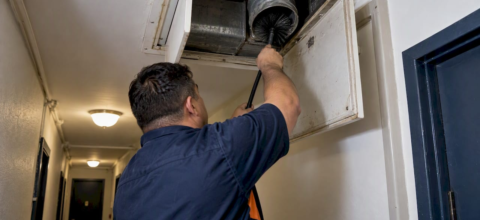
Schedule professional duct cleaning regularly. Annual or biannual cleaning removes dust, debris, and early mold growth before colonies establish. Professional services use specialized equipment that reaches deep into ductwork, removing contamination you cannot access. This maintenance proves far less expensive than remediation after severe contamination develops.
-
Inspect ducts seasonally. Check accessible duct sections every spring and fall, focusing on connections, joints, and areas in unconditioned spaces. Look for moisture stains, musty odors, visible mold, or excessive dust accumulation. Early detection allows simple intervention before problems spread throughout your system.
-
Maintain proper airflow throughout your system. Keep all supply and return vents open and unobstructed. Closing vents in unused rooms disrupts system balance, creating pressure imbalances that can draw in humid air through leaks. Ensure furniture, drapes, and storage items do not block airflow. Change filters on schedule, typically every 30 to 90 days depending on usage and filter type.
Additional prevention practices include:
- Clean supply and return vent covers monthly with damp cloths
- Replace standard filters with MERV 8 to 11 rated options that capture mold spores
- Address water intrusion immediately, whether from roof leaks, plumbing issues, or flooding
- Maintain gutters and downspouts to prevent foundation moisture problems
- Ensure proper attic ventilation to reduce overall building humidity
Pro Tip: Create a prevention calendar with monthly, seasonal, and annual tasks. Set phone reminders for filter changes, humidity checks, and professional service appointments. Consistent execution of these simple practices prevents the conditions that allow mold to establish itself. When problems do arise, knowing effective mold removal methods helps you respond quickly.
Monitoring and maintaining mold-free ducts over time
Successful mold prevention requires ongoing vigilance and systematic monitoring. Develop a routine inspection schedule that examines both visible duct components and system performance indicators. Check accessible ductwork quarterly, looking for moisture accumulation, discoloration, or musty odors. Pay special attention to ducts in attics, basements, and crawl spaces where temperature and humidity fluctuations create higher risk.

Understanding the difference between normal dust accumulation and mold contamination helps you respond appropriately. Dust appears gray or brown, feels dry, and wipes away easily. Mold presents as black, green, or white fuzzy growth, feels slimy or powdery, and often accompanies musty odors. If you see suspected mold, do not disturb it extensively, as this releases spores into your air supply. Document the location and extent, then consult professionals.
Regular professional inspections complement your own monitoring. Schedule comprehensive duct evaluations annually, or more frequently if you have experienced previous mold problems. Professionals use cameras, moisture meters, and air quality testing to assess conditions you cannot observe directly. They identify hidden leaks, inadequate insulation, and early contamination before it becomes visible at vents. This regular inspection and professional cleaning maintains duct health and prevents mold recurrence.
Know when cleaning becomes insufficient and replacement becomes necessary. Fiberglass-lined ducts with mold growth require replacement, not cleaning. Severely contaminated metal ducts with extensive corrosion may also need replacement. Ducts damaged by water intrusion, showing persistent moisture problems, or located in areas with chronic humidity issues often benefit from replacement with better materials and improved installation.
| Condition | Cleaning Sufficient | Replacement Needed | Reasoning |
|---|---|---|---|
| Surface dust and light debris | Yes | No | Standard cleaning removes buildup |
| Early mold on metal ducts | Yes | No | Professional cleaning eliminates contamination |
| Mold in fiberglass lining | No | Yes | Porous material cannot be cleaned effectively |
| Extensive corrosion or damage | No | Yes | Structural integrity compromised |
| Persistent moisture problems | No | Yes | Underlying issues require new installation |
Maintain detailed records of all inspections, cleanings, and repairs. Document humidity levels, filter change dates, and any problems discovered. This history helps identify patterns, proves valuable when selling property, and guides future maintenance decisions. Note seasonal variations in humidity and system performance to anticipate problems before they develop.
Monitor these performance indicators continuously:
- Unusual odors when HVAC system operates, especially musty or earthy smells
- Increased allergy or respiratory symptoms among occupants
- Visible moisture or condensation on duct surfaces or near vents
- Reduced airflow from supply vents compared to normal operation
- Unexplained increases in energy costs suggesting system inefficiency
Recognizing signs of leaking air ducts and signs of dirty air ducts allows early intervention. When you identify problems promptly, solutions remain simple and affordable. Delayed response allows minor issues to escalate into major contamination requiring extensive remediation.
Prevent mold with professional duct cleaning services in NY and NJ
While diligent homeowner maintenance forms the foundation of mold prevention, professional services provide expertise and equipment that ensure thorough protection. Amazon Air Duct Cleaning brings over 10 years of experience serving residential and commercial clients throughout New York, New Jersey, and Connecticut. Our specialized equipment reaches deep into ductwork, removing contamination that household tools cannot access.

Professional duct cleaning addresses hidden problems that compromise your prevention efforts. Our technicians identify duct leaks, inadequate insulation, and material issues during service appointments. We recognize when fiberglass linings require replacement rather than cleaning, saving you from ineffective treatments. Our local expertise understands the specific mold challenges created by New York and New Jersey’s humid climate, allowing us to tailor services to regional conditions.
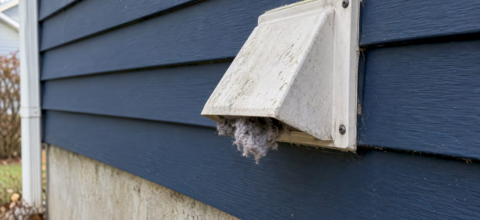
Wondering how to know you need air duct cleaning? Signs include visible mold near vents, musty odors, excessive dust, and increased allergy symptoms. Our team provides honest assessments and transparent recommendations. We also offer guidance on preparing for duct cleaning to maximize service effectiveness. Beyond ductwork, our comprehensive dryer vent and duct services address all ventilation systems that impact your indoor air quality.
FAQ
How often should you inspect your air ducts for mold?
Inspect accessible ductwork quarterly for visible signs of moisture, discoloration, or odors. Schedule professional comprehensive inspections annually, or twice yearly if you live in particularly humid areas of New York or New Jersey. Properties with previous mold problems, basement ductwork, or fiberglass-lined ducts benefit from more frequent professional evaluation. Seasonal inspections in spring and fall catch problems before extreme summer humidity or winter condensation creates ideal mold conditions.
Can I clean mold in ducts myself safely?
DIY mold cleaning in ducts is risky and typically ineffective. Disturbing mold colonies releases massive spore quantities into your air supply, increasing health risks. You lack the specialized equipment needed to reach deep into ductwork and verify complete removal. Fiberglass-lined ducts with mold cannot be cleaned effectively and require professional replacement. Professional services use containment procedures, HEPA filtration, and antimicrobial treatments that ensure safe, thorough remediation.
What signs indicate mold growth inside air ducts?
Musty or earthy odors when your HVAC system operates strongly suggest mold presence. Visible black, green, or white growth near supply or return vents indicates contamination. Increased allergy symptoms, respiratory irritation, or unexplained illness among occupants points to poor air quality from mold. Excessive dust accumulation, visible moisture on duct surfaces, and condensation near vents also signal conditions supporting mold growth. If you notice these signs of toxic black mold in air vents, schedule professional inspection immediately.
How does HVAC system operation affect mold growth?
Properly sized HVAC systems run long enough to remove humidity effectively, keeping moisture levels below the threshold for mold growth. Oversized systems that short cycle turn on, cool spaces rapidly, then shut off before completing dehumidification. This leaves elevated moisture in both air and ductwork, creating perfect conditions for mold colonization. Undersized systems run continuously but may not achieve comfortable temperatures, potentially allowing humidity to remain high. Correct sizing, regular maintenance, and proper thermostat operation optimize moisture control and minimize mold risk.
Recommended
- Mold in Air Ducts: Detection, Prevention & Solutions | Amazon Air Duct Cleaning
- Mold in Your Ducts? Here’s How to Get Rid of It | PRO Tips
- How to Prevent Duct Contamination – Amazon Air Duct Cleaning
- Is Air Duct Sanitizing Necessary? Key Benefits for Your Home