Clean vents, safe tenants: essential guide for property managers
Clogged dryer vents are one of the most underestimated fire hazards in residential buildings across New York, New Jersey, and Connecticut. Most tenants assume a lint trap is enough. Most property managers assume someone else is handling it. The result? Thousands of residential fires annually traced directly to neglected vents. This guide covers the real safety, health, and legal reasons why vent maintenance belongs at the top of your property checklist, not the bottom. Whether you manage a multi-unit building in Brooklyn or rent a home in suburban Connecticut, what you learn here could prevent a serious incident.
Table of Contents
- Why clean vents matter for tenant safety
- Health impacts of dirty vents in residential properties
- Legal responsibilities: What do NY, NJ, and CT property codes require?
- When and how often should vents be cleaned?
- The overlooked truth about vent cleaning: What really keeps tenants safe?
- Take proactive steps to safeguard your property and tenants
- Frequently asked questions
Key Takeaways
| Point | Details |
|---|---|
| Dirty vents pose real danger | Clogged dryer and HVAC vents are major fire and health risks for tenants. |
| Routine cleaning isn’t always required | Expert guidance emphasizes cleaning only when warning signs or contamination are present. |
| Know your legal duties | While no state law mandates routine cleaning, landlords must maintain safe, ventilated, code-compliant rentals. |
| Take action on warning signs | Address visible dust, mold, odors, or reduced airflow immediately for tenant safety. |
| Partner for best results | Using local cleaning experts ensures compliance, safety, and peace of mind for property managers and tenants. |
Why clean vents matter for tenant safety
Vent cleanliness is not a cosmetic issue. It is a genuine safety concern that affects fire risk, air quality, and legal liability all at once. Understanding these risks is the first step toward protecting both tenants and property.
Dryer vents are the most urgent concern. Lint is highly flammable, and when it accumulates inside a vent line, it only takes one overheated cycle to ignite. The dryer vent cleaning importance goes far beyond convenience. According to EPA vent safety guidance, clogged dryer vents are a leading cause of residential fires, and failure to clean them accounts for thousands of fires every year across the country.
Key stat: Dryer vent fires cause an estimated $35 million in property damage annually in the United States. In dense housing markets like New York City, a single fire can affect dozens of units.
HVAC (heating, ventilation, and air conditioning) ducts carry their own risks. When dust, debris, and biological growth like mold accumulate inside duct systems, those particles get pushed into every room every time the system runs. Tenants breathe that air around the clock. The dryer vent safety tips that apply to laundry appliances have a direct parallel in HVAC systems: blocked or contaminated vents create conditions that no tenant should have to live with.
Here is a quick summary of the safety risks every property manager and tenant should know:
- Fire hazard: Lint buildup in dryer vents is a primary ignition source in residential fires
- Poor indoor air quality: Dirty HVAC ducts push dust, mold spores, and allergens into living spaces
- Carbon monoxide risk: Blocked exhaust vents on gas appliances can cause dangerous CO buildup
- Legal liability: Property owners can face lawsuits or failed inspections when ventilation hazards go unaddressed
- Insurance complications: Some insurers may deny claims if neglected vent maintenance contributed to a fire or health incident
The fire statistic alone is worth sitting with for a moment. These are not rare events. They happen in apartments, townhouses, and single-family rentals throughout the tri-state area every year. Proactive vent maintenance is one of the simplest ways to reduce that risk.
Health impacts of dirty vents in residential properties
Fire risks are only one part of the equation. The less visible health consequences of dirty vents affect tenants gradually, often without anyone connecting the symptoms to the building itself.
Indoor air in apartments and homes can be significantly more polluted than outdoor air, especially in tightly sealed buildings common in New York, New Jersey, and Connecticut. When HVAC ducts go uncleaned for years, they collect dust mites, pet dander, mold spores, and pollen. Every time the system runs, those contaminants circulate through the air. The EPA on duct cleaning notes that dirty HVAC ducts can circulate dust, mold, and allergens that trigger respiratory issues, allergies, and asthma, though the EPA also clarifies that routine cleaning is not always necessary unless contamination is confirmed.
The health risks most commonly linked to poorly maintained vents include:
- Worsening asthma symptoms, especially in children
- Increased frequency of allergy flare-ups
- Persistent coughing or sneezing indoors
- Headaches and fatigue with no clear cause
- Mold-related respiratory infections in severe cases
Mold is the invisible risk that property managers tend to underestimate. It does not need a visible water leak to grow inside duct systems. Condensation from seasonal temperature swings in tri-state buildings is enough. Once mold establishes itself inside a duct, it spreads spores every time air moves through the system. Tenants with compromised immune systems or existing respiratory conditions are especially vulnerable.
Knowing the signs of dirty air ducts is something every tenant and property manager should be familiar with. You do not need a professional inspection to notice the early warning signs.

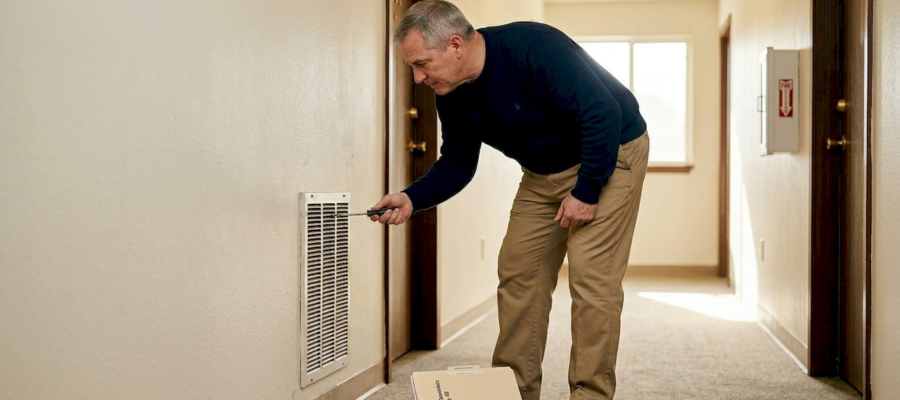
Pro Tip: Walk through the property and check the vent covers. If you see a visible layer of dust or dark residue around the grilles, that is a red flag. Other signals include a musty smell when the HVAC kicks on, increased sneezing among occupants, or a noticeable spike in dust on furniture shortly after cleaning. These are your cues to look closer at when vents need cleaning.
The EPA’s position is nuanced and worth understanding. They do not recommend routine cleaning on a fixed schedule, but they are clear: if ducts are visibly contaminated with mold, infested with pests, or clogged with debris, cleaning is necessary. That is a practical standard you can apply without guesswork.
Legal responsibilities: What do NY, NJ, and CT property codes require?
Safety and health are vital, but what do the laws actually demand from property owners and tenants? The answer is less specific than many expect, but the liability is very real.
No explicit law in New York, New Jersey, or Connecticut mandates routine vent cleaning on a fixed schedule. However, the NYC Health Code and equivalent codes in NJ and CT require landlords to maintain safe, sanitary conditions, provide adequate ventilation, and address fire safety hazards. When a blocked vent or mold-contaminated duct system creates a hazard, that falls squarely under a landlord’s legal duty. Landlords can be held liable for hazards like mold that result from poor ventilation.
| State | Key requirement | Vent-specific rule | Liability trigger |
|---|---|---|---|
| New York | Safe, sanitary housing; adequate ventilation | No routine cleaning mandate | Mold, blockages, fire hazards |
| New Jersey | Habitability standards; fire code compliance | No routine cleaning mandate | Documented ventilation failures |
| Connecticut | Landlord duty to maintain safe conditions | No routine cleaning mandate | Health complaints, code violations |
The concept of habitability is central here. A habitable unit is one that is safe, sanitary, and fit for occupancy. If a tenant can demonstrate that dirty or blocked vents contributed to a health problem or fire risk, that habitability standard becomes the legal basis for a claim. You do not need a specific vent cleaning law for liability to attach.
For when cleaning is required, the trigger is usually a documented hazard, not a calendar date. Common legal risks for property managers include:
- Tenant lawsuits citing mold exposure or respiratory harm
- Failed housing inspections due to blocked or hazardous vents
- Insurance claim denials tied to deferred maintenance
- Municipal fines for fire code violations
Tenants also have a role. If you notice a blocked vent, musty air, or visible mold around a vent cover, document it in writing and report it to your landlord or property manager immediately. That documentation protects you if the situation escalates.
When and how often should vents be cleaned?
Now that responsibilities are clear, when should vent cleaning actually happen and who decides? The answer depends on the type of vent, the household, and the building’s history.
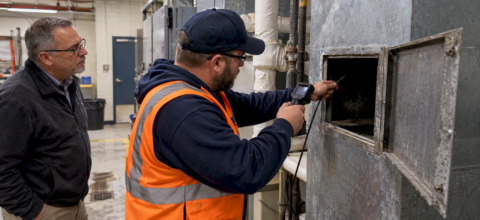
The NADCA (National Air Duct Cleaners Association) recommends cleaning every 3-5 years for HVAC air ducts under normal conditions, with more frequent cleaning if pets, allergies, recent renovations, or visible mold are factors. Dryer vents follow a different standard and should be inspected and cleaned at least once a year.
| Vent type | Standard interval | Clean more often if… |
|---|---|---|
| HVAC air ducts | Every 3-5 years | Pets, allergies, renovation dust, mold, smoking |
| Dryer vents | Annually | Heavy use, long vent runs, shared laundry |
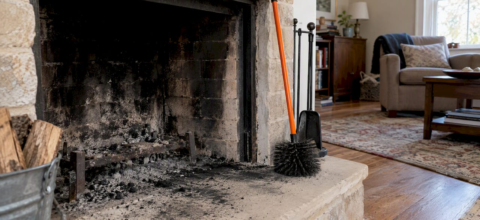
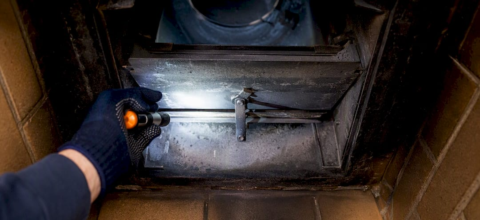
| Chimney/exhaust vents | Annually | Regular fireplace use, gas appliances |
For the air duct cleaning frequency that fits your specific property, consider these factors in order:
- Check for visible contamination first. Dust buildup on vent grilles, mold near registers, or pest activity inside ducts are immediate triggers regardless of schedule.
- Review recent building activity. Construction, renovation, or water damage in the past two years often pushes debris and moisture into duct systems.
- Assess household factors. Multiple pets, smokers, or occupants with asthma or allergies all shorten the recommended interval.
- Track utility bills. A gradual rise in heating or cooling costs without a rate change can signal restricted airflow from buildup.
- Use move-in and move-out as checkpoints. Tenant turnover is a practical time to inspect and clean vents before new occupants arrive.
Pro Tip: Knowing when to clean ducts is easier when you keep a simple maintenance log. Note the date of the last cleaning, any complaints from tenants, and any building events like water leaks or renovations. That log also serves as documentation if a legal question ever arises.
Do not wait for a complaint or an incident. The EPA cleaning guidelines are clear that contaminated systems warrant action. Staying ahead of the warning signs is far less costly than responding after the fact.
The overlooked truth about vent cleaning: What really keeps tenants safe?
Here is something the industry does not always say out loud: more frequent cleaning is not automatically better. The push to clean ducts on a rigid annual schedule often comes from marketing, not evidence.
The EPA is direct on this point. There is no proven health benefit from routine duct cleaning in the absence of contamination. The industry argues regular cleaning improves efficiency and air quality. Both positions have merit, but neither tells the full story for tenants and property managers in the tri-state area.
What actually keeps tenants safe is awareness combined with action on real warning signs. A property manager who checks vent covers twice a year, responds quickly to tenant complaints about air quality, and schedules cleaning after water damage or renovation will do more for tenant safety than one who cleans on autopilot every 18 months without looking at the practical warning signs first.
The most effective approach combines tenant communication with documented inspections. When tenants know what to report and property managers know what to act on, the real risks get addressed before they become emergencies.
Take proactive steps to safeguard your property and tenants
If this guide has made one thing clear, it is that vent maintenance is not optional for properties in New York, New Jersey, and Connecticut. The fire risk alone justifies the investment. The health and legal protections make it essential.

At Amazon Air Duct Cleaning, our team has over 10 years of experience serving residential and commercial clients across the tri-state area. We provide NY/NJ/CT duct cleaning services that are thorough, transparent, and backed by genuine expertise. Whether you need a routine HVAC inspection, a full duct cleaning, or dryer vent cleaning for a multi-unit building, we are here to help you stay ahead of the risks. Reach out today to schedule a service or ask our team a question.
Frequently asked questions
Are property owners legally required to clean vents in New York, New Jersey, or Connecticut?
While no explicit laws mandate routine vent cleaning, landlords must provide safe, sanitary conditions and are liable for hazards like mold or blocked ventilation that affect tenant health and safety.
How often should dryer vents and air ducts be cleaned in apartments?
Dryer vents should be inspected and cleaned at least once a year, while HVAC ducts need cleaning every 3-5 years under normal conditions, or sooner if mold, pests, or heavy dust are present.
Why is vent cleaning important for tenant safety?
Clean vents help prevent fires from lint buildup, reduce exposure to mold and allergens, and support compliance with property safety codes. Clogged dryer vents alone are responsible for thousands of residential fires each year.
What signs indicate vents need to be cleaned?
Look for musty odors when the HVAC runs, excess dust on vent covers, visible mold near registers, reduced airflow, or a pattern of worsening allergy and respiratory symptoms among occupants indoors.
Recommended
- Vent cleaning tips for agents to boost property value – Amazon Air Duct Cleaning
- Vent cleaning for businesses: essential guide for NY, NJ, CT – Amazon Air Duct Cleaning
- Essential residential vent cleaning steps for healthier air – Amazon Air Duct Cleaning
- Don’t Skip Air Duct Cleaning After Renovation (Here’s Why)