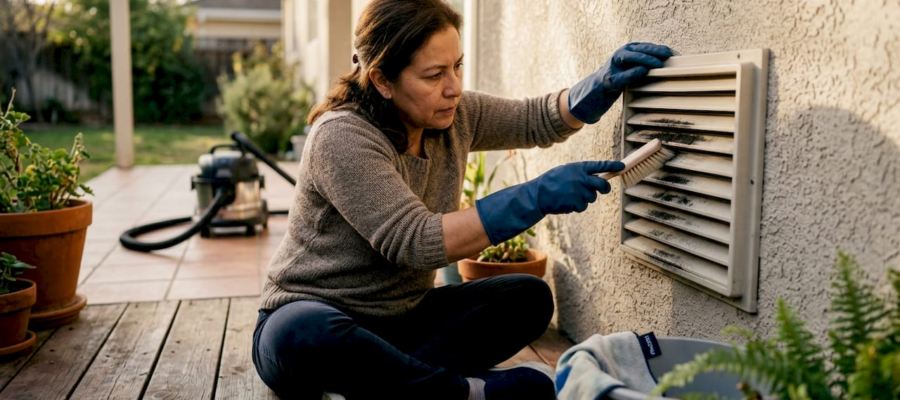
Black Dust Around Air Vents: Causes, Cleaning, and Health Facts
TL;DR:
- Black dust around air vents comes from dust, soot, and mold spores accumulating due to airflow patterns and environmental conditions. Proper cleaning involves removing the vent covers, vacuuming inside ducts, and drying all components thoroughly to prevent mold growth. Professional duct cleaning is recommended if residues reappear quickly or if there are persistent musty odors.
Black dust around air vents is defined as a visible accumulation of particulates, including household dust, soot, and mold spores, that collects near HVAC vent openings due to airflow patterns and environmental conditions. This buildup is common in homes across New York, New Jersey, and Connecticut, where seasonal humidity swings and older housing stock create ideal conditions for particulate adhesion. The industry term for this phenomenon is “filtration soiling” or “ghosting,” though most homeowners simply call it black dust or air vent black residue. Understanding what causes it is the first step toward cleaning it safely and keeping it from coming back.
What causes black dust around air vents?
Black dust at your vents is almost never from a single source. It is typically a combination of several contributors that build up over time.
- Household dust and skin cells. Airborne particles circulate constantly through your HVAC system. They deposit on cooler metal vent surfaces every time the fan runs.
- Soot from combustion. Indoor combustion activities like burning candles, using a fireplace, or cooking on a gas stove release fine carbon particles. These particles are small enough to stay airborne and travel through your duct system before settling near vents.
- Mold spores. High humidity or moisture intrusion inside ductwork creates conditions where mold can grow. When mold colonies release spores, those spores circulate and deposit as dark, sometimes slimy residue near vent openings.
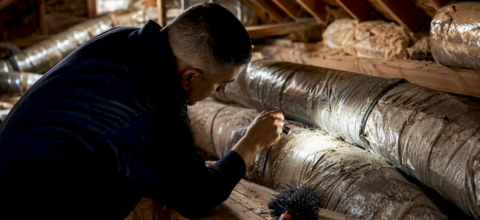
- Leaky ductwork. Gaps or cracks in duct joints pull in debris from unconditioned spaces like attics or crawl spaces. Deteriorating duct insulation can also shed fibers that appear as dark particulate matter near vents.
- High indoor humidity. Moisture causes particles to stick more aggressively to cooler surfaces. Homes without adequate ventilation or dehumidification see faster and heavier dust build-up near vents.
The texture of what you find matters. Gritty black residue points to soot or dust, while a slimy or musty texture strongly suggests mold growth that needs more than a surface wipe.
How does black dust accumulate specifically around vents?
The physics of airflow explains why black particles from air vents concentrate at the vent edges rather than spreading evenly across your ceiling or wall. Vent covers funnel airflow, forcing moving air through a narrow opening. As air velocity drops sharply just past the vent face, heavier particles fall out of suspension and deposit directly on the cooler metal surface surrounding the opening.

Cooler surfaces attract particulates more than the surrounding drywall. Metal vent covers sit at a lower temperature than the air passing through them, especially during heating season. This temperature difference causes fine particles to adhere on contact, building visible black rings or streaks over weeks of HVAC operation.
Humidity compounds the problem. Condensation on vent surfaces creates a slightly sticky film that traps particles far more effectively than dry metal. Homes in New York and New Jersey that run air conditioning heavily in summer often see faster buildup because the cold supply air chills the vent cover below the room’s dew point.
Visible black rings around a vent opening are a reliable sign that airborne particulates are concentrating at that specific point. The buildup you see on the surface is a symptom. The actual source, whether soot, mold, or debris from leaky ducts, is what determines the right fix.
Pro Tip: Run your finger along the inside edge of the vent cover. If the residue smears black and greasy, you are likely dealing with soot from candles or cooking. If it feels damp or smells musty, treat it as a potential mold situation and proceed carefully.
How can homeowners safely clean black dust around air vents?
Surface cleaning is a reasonable first step for most homeowners, but the process matters. Rushing it or skipping key steps can make the problem worse.
- Turn off your HVAC system. Cut power to the system before you remove any vent cover. This prevents the fan from blowing debris back into the room while you work.
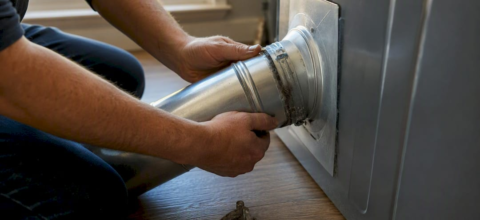
- Remove the vent cover. Most covers unscrew easily. Take them outside or to a utility sink.
- Soak and scrub the cover. Soak vent covers in warm, soapy water for 10–15 minutes, then scrub with a soft brush. Avoid abrasive pads that scratch the finish.
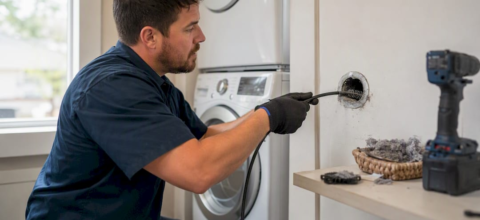
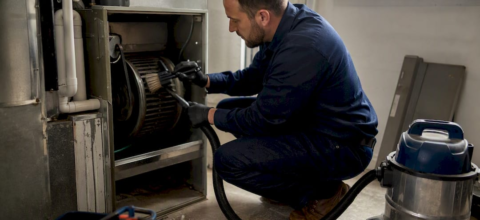
- Vacuum the duct boot. Use a vacuum with a crevice tool to pull dust and debris from the duct opening behind where the cover sits. This is the step most homeowners skip, and it is the one that matters most for reducing airborne particles.
- Dry everything completely. Moisture trapped inside ducts or on vent covers promotes rapid mold growth. Let covers air dry fully before reinstalling, or use a clean towel and allow extra drying time.
- Wipe surrounding surfaces. Use a microfiber cloth dampened with water or a mild all-purpose cleaner to wipe the wall or ceiling around the vent opening. Avoid harsh chemicals near duct openings.
- Reinstall and inspect. Once everything is dry, reinstall the cover and turn the system back on. Watch for rapid reappearance of residue, which signals an underlying issue.
Two things you should never do: paint over black stains around a vent, and apply chemical biocides inside your ductwork. Experts warn that no EPA registration supports the safe use of chemical biocides in insulated ducts. These products can introduce respiratory irritants without addressing the moisture or contamination causing the problem.
Pro Tip: Replace your HVAC filter every 60–90 days in an average household, or every 30 days if you burn candles regularly or have pets. A clogged filter forces more unfiltered air around the filter edges, accelerating particulate buildup at every vent in your home.

For a detailed walkthrough of the full process, the step-by-step duct cleaning guide from Amazonairpro covers what tools to use and when to stop DIY and call a professional.
What are the health implications of black dust near vents?
Black dust composition determines the actual health risk. Not all vent residue is equally harmful, and the EPA’s guidance reflects that nuance.
- Soot exposure. Carbon particles from candles, fireplaces, and cooking smoke are fine enough to reach deep into the lungs. Frequent exposure aggravates asthma, triggers allergy symptoms, and causes respiratory irritation in sensitive individuals.
- Mold spores. Mold inside ductwork is a genuine health concern. Spores circulate through the air supply and can cause allergic reactions, sinus congestion, and in some cases more serious respiratory issues for people with compromised immune systems.
- General dust. Ordinary household dust buildup at vents is less alarming. Light dust in ducts does not pose a proven health risk on its own, according to EPA guidance.
- Humidity-driven accumulation. High indoor humidity accelerates both dust adhesion and mold growth, making humidity control one of the most effective preventive measures available.
- Filter condition. A dirty or low-quality filter allows more particulates to bypass filtration and circulate through the system, increasing what deposits near vents.
Indoor air pollutants can be 2–5 times higher than outdoor levels in airtight homes. That concentration makes your HVAC system the single most important factor in what you breathe indoors.
The EPA does not recommend routine duct cleaning unless there is visible mold, vermin activity, or significant debris present. That said, if you see rapid dust reappearance after cleaning, or notice a persistent musty odor, those are red flags that go beyond routine maintenance. A musty odor combined with fast reappearance of residue strongly indicates mold requiring professional remediation. For homeowners wondering whether their situation warrants professional attention, the signs your air ducts need cleaning resource from Amazonairpro lays out the specific triggers clearly.
Key Takeaways
Black dust around air vents signals airborne particulate buildup from soot, dust, or mold, and the source determines whether DIY cleaning or professional remediation is the right response.
| Point | Details |
|---|---|
| Identify the source first | Gritty residue points to soot; slimy or musty residue indicates mold requiring different treatment. |
| Clean the duct boot, not just the cover | Vacuuming behind the vent cover removes the debris that keeps reappearing on the surface. |
| Dry everything before reinstalling | Trapped moisture after cleaning promotes mold growth inside ducts. |
| Avoid chemical biocides in ducts | No EPA-registered product is approved for safe use inside insulated ductwork. |
| Call a professional for persistent buildup | Rapid reappearance or musty odors after cleaning signals mold or duct leakage needing expert assessment. |
What I’ve learned from years of watching homeowners tackle this wrong
Victor’s take:
The most common mistake I see is treating black dust as a cosmetic problem. Homeowners wipe the vent cover, feel satisfied, and move on. Three weeks later the residue is back, and they assume their home is just dusty. That cycle repeats for years while the actual cause, whether it is a leaky duct joint pulling in attic debris or a slow mold colony near a return air plenum, goes unaddressed.
The second mistake is reaching for a chemical solution. I understand the impulse. You see black residue, you want to kill it. But spraying biocides into ductwork without fixing the moisture source is like painting over a water stain without fixing the leak. The stain comes back. The mold comes back. And now you have added chemical irritants to the air your family breathes.
What actually works is a two-step mindset. First, diagnose before you clean. Touch the residue, smell the area, and check whether it reappears quickly after wiping. Those three observations tell you more than any product label. Second, treat the source, not the symptom. If candles are your soot source, switch to flameless alternatives or improve ventilation when burning them. If humidity is the driver, a whole-home dehumidifier pays for itself in reduced cleaning and fewer mold concerns.
For homeowners in New York, New Jersey, and Connecticut, I would also add: older housing stock means older ductwork. Ducts installed before the 1990s were not sealed to modern standards. If your home is more than 30 years old and you have never had a duct inspection, that is worth sitting with for a moment before you assume surface cleaning is enough.
— Victor
Professional vent and duct cleaning for NY, NJ, and CT homeowners

When surface cleaning does not stop the residue from coming back, the problem is inside the duct system, not on the vent cover. Amazonairpro has provided professional air duct cleaning services to residential and commercial clients across New York, New Jersey, and Connecticut for over 10 years. The team uses professional-grade equipment to remove soot, mold, and debris from inside the duct system, not just at the surface. Every inspection identifies the root cause of buildup so the fix lasts. If you are seeing persistent black residue, a musty smell, or worsening allergy symptoms, schedule an inspection with Amazonairpro before the problem grows.
FAQ
What is the black dust that appears around air vents?
Black dust around air vents is a mix of household dust, soot from combustion sources like candles or fireplaces, and sometimes mold spores. The specific composition depends on your home’s activities, humidity levels, and duct condition.
Is black dust around vents dangerous to my health?
It depends on the source. Soot and mold spores can aggravate asthma and allergies, while ordinary dust buildup poses a lower risk. The EPA recommends professional remediation only when mold, vermin, or significant debris is confirmed inside the ducts.
How do I know if the black residue is mold or soot?
Gritty, dry residue that smears black is typically soot or dust. Slimy, damp residue with a musty odor strongly indicates mold. Rapid reappearance after cleaning is another reliable sign of mold presence requiring professional assessment.
Can I clean black dust around vents myself?
Yes, for surface-level buildup. Remove and soak the vent cover, vacuum the duct boot with a crevice tool, and dry everything completely before reinstalling. If residue returns quickly or a musty smell persists, professional inspection is the right next step.
How often should I clean my air vents to prevent buildup?
Cleaning vent covers every 3–6 months is a reasonable schedule for most households. Replace HVAC filters every 60–90 days, or every 30 days if you burn candles frequently or have pets, to reduce how much particulate reaches the vent surface in the first place.
Recommended
- How to remove dust from vents for cleaner indoor air – Amazon Air Duct Cleaning
- Understanding Dust in Ducts: Improve Your Home’s Air Quality – Amazon Air Duct Cleaning
- Air Duct Dangers: Are Your Dirty Air Ducts Making You Sick? – Amazon Air Duct Cleaning
- Air Vent Inside Your Home: A 2026 Maintenance Guide – Amazon Air Duct Cleaning