Air Conditioner Burning Smell: Causes and Safe Fixes
TL;DR:
- A burning smell from an air conditioner indicates potential electrical or mechanical faults and requires prompt attention.
- Faint odors lasting less than 20 minutes are normal, but persistent, sharp, or chemical smells signal urgent hazards needing professional diagnosis.
An air conditioner burning smell is a warning sign of electrical or mechanical faults within your cooling system and should never be ignored. In HVAC terminology, this odor is classified as a thermal fault indicator, meaning heat is reaching components or materials that should stay cool. Some burning odors are harmless and brief. Others signal a fire risk that demands immediate action. Knowing the difference protects your home, your family, and your investment.
What causes a burning smell from an air conditioner?
A burning smell from an AC unit comes from one of several sources, and the smell type tells you a lot about the cause. Identifying the smell type aids communication with technicians but does not replace professional diagnosis. Here are the most common culprits:
- Dust on heating elements or coils. After weeks of inactivity, dust settles on internal components. When the system runs again, that dust burns off. Dust burning on vents typically disappears after 20 minutes of continuous operation. This is the one scenario where a burning odor is not a red flag.
- Overheating blower motor. The blower motor runs continuously during cooling cycles. Worn bearings or a failing motor winding generate a hot rubber or metallic smell that does not go away on its own.
- Electrical wiring faults. Short circuits or melted wire insulation produce a sharp, acrid odor that resembles burning plastic. This smell is a genuine emergency.
- Belt friction in older systems. Some older AC units use belt-driven blowers. A worn or slipping belt creates a burning rubber smell similar to a car with a slipping fan belt.
- Debris near components. Leaves, lint, or small animals near the outdoor unit can contact hot surfaces and smolder, sending odors through the ductwork into your living space.
Pro Tip: Note exactly where the smell is strongest, whether at the vents, near the air handler, or at the outdoor unit. That location narrows the cause significantly and saves your technician time during diagnosis.

How do you tell a normal odor from a hazardous burning smell?
The single most useful diagnostic tool you have is time. A faint dusty burning smell lasting under 20 minutes during the first seasonal startup is normal. Anything beyond that threshold is a red flag worth acting on.
Hazardous odors have three distinct characteristics. They persist beyond the first 20 minutes of operation. They intensify rather than fade. They carry a sharp, chemical, or plastic quality that a simple dust burn-off never produces.

The table below gives you a practical reference for the most common smell types:
| Smell type | Likely cause | Urgency | Recommended action |
|---|---|---|---|
| Faint dusty odor, fades quickly | Dust burning off coils or elements | Low | Monitor; no action needed if it clears |
| Burning rubber | Worn motor bearings or belt friction | Moderate | Schedule professional inspection soon |
| Burning plastic or sharp chemical | Melted wire insulation or overheating components | High | Shut off AC; call a licensed HVAC technician |
| Ozone or electrical arc smell | Electrical short or arcing | High | Shut off AC at breaker immediately |
| Acrid sewer-like odor | Dried condensate P-trap drawing in sewer gas | Moderate | Call a technician to inspect the drain system |
Condensate drain problems including dried P-traps can cause sewer gas entry, producing acrid odors mistaken for burning smells. A technician can resolve this without costly electrical repairs.
Pro Tip: If you notice the burning smell from AC vents alongside a tripped circuit breaker, weak airflow, or visible smoke, treat it as an emergency. Do not reset the breaker and restart the system.
Safe troubleshooting steps when you smell burning from your AC
Before you call a technician, there are a few safe checks you can perform yourself. These steps do not involve opening electrical panels or touching wiring. They help you rule out simple causes and give your technician useful information.
- Let the system run briefly, then assess. Turn the AC on and stand near a vent for up to 20 minutes. If the smell fades completely, dust burn-off is the likely cause. If it persists or sharpens, move to the next step.
- Do not repeatedly cycle the system on and off. Repeatedly turning the AC on and off to test smell persistence increases the risk of electrical damage or fire. One test run is enough.
- Check and replace your air filter. A clogged filter restricts airflow and forces the system to work harder. Restricted airflow from dirty filters increases overheating risk and often causes burning odors. Replacing a dirty filter costs under $20 and takes five minutes.
- Inspect the outdoor unit for debris. Walk around the outdoor condenser and look for leaves, mulch, or other material pressed against the unit. Clear any visible debris from the exterior. Do not remove the access panels.
- Note the smell location and any other symptoms. Write down where the smell is strongest, whether it comes from specific vents or the air handler area, and whether you heard any unusual noises or noticed the breaker trip.
- Shut off the system if the smell is sharp or persistent. Turn the thermostat to “off” first, then switch off the AC circuit breaker. This is the safest sequence. Do not restart the system until a licensed HVAC technician has inspected it.
Pro Tip: DIY electrical repairs on AC systems carry a real risk of lethal shock. The capacitors inside an air handler store a high-voltage charge even after the power is off. Leave all internal electrical work to a licensed professional.
For a broader look at what your HVAC system might be telling you, the HVAC odor guide from Amazonairpro covers the full range of odors homeowners encounter.
What does professional HVAC diagnosis and repair involve?
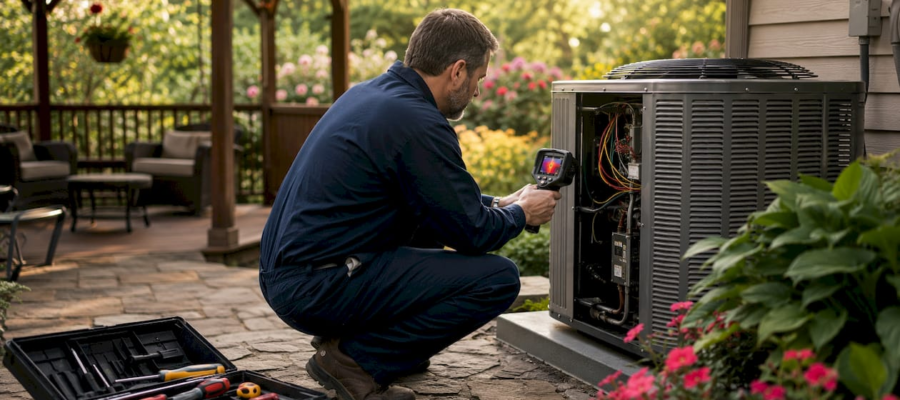
A licensed HVAC technician follows a structured process when investigating a burning smell coming from an AC vent. The technician checks electrical connections, measures motor amperage, inspects capacitors, and tests the blower assembly. This diagnostic visit typically takes 45–90 minutes.
Common repairs that resolve burning odors include:
- Motor replacement. A failing blower motor is one of the most frequent causes of persistent burning smells. Motor replacement typically falls in the mid-range of repair costs.
- Wiring and insulation repair. Melted or damaged wire insulation requires a licensed electrician or HVAC technician. This is not a DIY repair under any circumstances.
- Capacitor replacement. Capacitors help motors start and run. A failing capacitor causes the motor to overheat, generating a burning odor. Capacitor replacement is one of the more affordable repairs.
- Belt replacement. In older belt-driven systems, a worn belt is a straightforward fix that eliminates burning rubber odors quickly.
Professional HVAC electrical repairs range from $150 to $450 depending on the issue. That range covers most motor, capacitor, and wiring repairs. Full system replacement, by contrast, runs several thousand dollars.
Ignoring early warning smells can turn a $200 part repair into a full system replacement. Acting on the first sign of a burning plastic or electrical odor is always the less expensive path.
When you call a technician, share your notes from the troubleshooting steps above. Describe the smell type, when it started, how long it lasted, and any accompanying symptoms. That information cuts diagnostic time and helps the technician arrive prepared.
Preventive maintenance that reduces burning smells and system failures
The most reliable way to avoid a burning smell from air conditioner vents is consistent preventive maintenance. Most burning odors do not appear without warning. They build up over time as components wear, filters clog, and ducts accumulate debris.
- Replace air filters every 1–3 months. A clean filter maintains proper airflow and reduces the workload on your blower motor. This single habit prevents a significant share of overheating-related odors.
- Schedule an annual HVAC inspection before peak cooling season. A technician can catch worn bearings, loose wiring, and failing capacitors before they produce odors or cause breakdowns. In New York, New Jersey, and Connecticut, scheduling that inspection in april or may puts you ahead of summer demand.
- Have your air ducts professionally cleaned. Dust and debris inside ductwork contribute to overheating and poor air quality. Professional duct cleaning services remove accumulated material that a filter alone cannot catch. Knowing when your ducts need cleaning is the first step toward preventing odor problems.
- Inspect and maintain condensate drain traps. Dried condensate P-traps allow sewer gases to enter the system, producing odors that mimic burning smells. A technician can flush and refill the trap during a routine visit.
- Take intermittent odors seriously. Intermittent burning smells warn days or weeks ahead of a breakdown. A smell that comes and goes is not a sign that the problem resolved itself. It is a sign that a component is failing gradually.
Keeping your system clean and inspected annually is the most cost-effective strategy available to homeowners. It also reduces the risk of a fire caused by overheating electrical components, which is a genuine hazard worth taking seriously. For guidance on electrical fire risks from household appliances, fire safety resources provide useful context on how quickly these situations can escalate.
Key Takeaways
A burning smell from an air conditioner signals an electrical or mechanical fault that requires prompt diagnosis, safe troubleshooting, and professional repair to prevent system failure or fire.
| Point | Details |
|---|---|
| Normal vs. hazardous odors | A faint dusty smell that clears in under 20 minutes is normal; persistent or sharp odors require professional attention. |
| Do not cycle the system repeatedly | Turning the AC on and off to test the smell increases fire and electrical damage risk. |
| Replace filters first | A dirty filter restricts airflow and causes overheating; replacing it is the safest first DIY step. |
| Repair costs rise with delay | Professional repairs range from $150 to $450; ignoring early warning smells can lead to full system replacement. |
| Annual maintenance prevents most odors | Scheduling an HVAC inspection and duct cleaning before peak season catches problems before they become emergencies. |
What I’ve learned from years of watching homeowners handle burning AC odors
The most common mistake I see is the “wait and see” approach. A homeowner notices a burning smell from the AC vents, the smell fades after a few minutes, and they conclude the problem solved itself. It did not. That fading odor is a component cooling back down after overheating. The next cycle, it overheats again. Over weeks, the damage compounds until the motor seizes or a wire fails completely.
The second mistake is the opposite: panic-cycling the system on and off to confirm the smell is real. That behavior is genuinely dangerous. A single, brief test run is all you need. If the smell is there, it is real. Shut the system down and call a professional.
What I find most useful to tell homeowners is this: your nose is an early warning system that your thermostat does not have. A sharp electrical or plastic odor is your AC telling you something is wrong before any performance symptom appears. The airflow still feels cold. The system still turns on. But internally, something is failing. Catching it at that stage costs a few hundred dollars. Missing it can cost thousands, or worse.
Clean ducts and a fresh filter are not glamorous maintenance tasks. But they are the foundation that keeps every other component from working too hard. I have seen blower motors fail years ahead of schedule simply because a clogged filter forced them to run at maximum load every cycle. The fix was a $15 filter change that never happened.
If you are in New York, New Jersey, or Connecticut and you have noticed any AC strange odor this season, do not wait for the smell to return. Get an inspection scheduled now, before the heat peaks and technician availability drops.
— Victor
Professional air duct cleaning for NY, NJ, and CT homeowners
A burning smell from your AC vents is often the first sign that your duct system needs attention. Dust, debris, and years of buildup inside ductwork force your system to work harder, raising temperatures across every component.

Amazonairpro has served residential and commercial clients across New York, New Jersey, and Connecticut for over 10 years. The team specializes in professional air duct cleaning that removes the accumulated material driving overheating and odor problems. If you are unsure whether your ducts are contributing to the issue, the signs your ducts need cleaning page gives you a clear checklist to work through. Reach out to Amazonairpro to schedule an inspection and get ahead of the problem before it becomes an emergency.
FAQ
Why does my AC smell like burning when I first turn it on?
A faint burning smell during the first startup of the season is normal. Dust that settled on internal components during inactivity burns off within 20 minutes of continuous operation.
Is a burning plastic smell from my AC dangerous?
Yes. A burning plastic or sharp chemical odor indicates melted wire insulation or overheating electrical components. Shut off the system at the thermostat and breaker, and call a licensed HVAC technician immediately.
Can a dirty air filter cause a burning smell from AC vents?
A clogged filter restricts airflow and forces the blower motor to overheat, which produces a burning odor. Replacing the filter is the safest first step a homeowner can take.
How much does it cost to fix a burning smell in an AC unit?
Professional HVAC electrical repairs typically range from $150 to $450 depending on the component involved. Delaying repairs risks more extensive damage and significantly higher costs.
When should I call a professional about an AC burning smell?
Call a licensed HVAC technician if the smell persists beyond 20 minutes, smells like burning plastic or electrical wiring, or is accompanied by a tripped breaker, smoke, or unusual noises.
Recommended
- Why Does My HVAC System Smell? Your Guide to HVAC Odors
- What That Musty Smell From Your Vents Really Means
- What’s That Smell Coming From Your Vents? HVAC Odors Explained
- AC Troubleshooting: Why Is My Air Conditioner Blowing Warm Air?