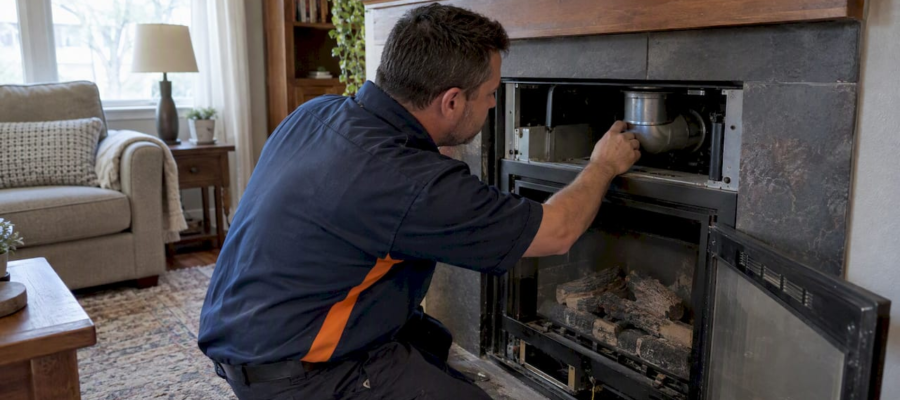
Homeowners: Why Gas Fireplaces Need Annual Chimney Inspections
Yes, gas fireplaces need an annual professional inspection, and cleaning when deposits, blockages, or corrosion show up. The risk is not creosote buildup like wood fires produce. It comes from nests, debris, corroded liners, and disconnected vents that can trap exhaust indoors. If your gas fireplace hasn’t been checked in the last year, that’s the next step to take before the heating season gets underway.
TL;DR:
- Gas vent systems are vulnerable to nests, debris, corrosion, and disconnected sections, which can cause indoor exhaust leaks if not inspected annually.
- A basic inspection includes checking vent integrity, cleaning deposits, and confirming drafting, with a Level 2 inspection recommended after damage, appliance changes, or property transfer.
- Carbon monoxide risks are mitigated through yearly professional inspections, proper vent maintenance, and functioning alarms tested monthly.
- Homeowners should visually inspect flame color, vent caps, and alarms but avoid mechanical vent work or scraping inside the flue without professional training.
- Common issues found during inspections include animal nests, corroded liners, and disconnected vent sections, which require prompt repairs to ensure safe operation.
Table of Contents
- Why gas fireplaces differ from wood fireplaces and what to expect
- How often should you have your gas fireplace inspected and cleaned?
- Warning signs that call for service right away
- What a professional inspection and cleaning actually covers
- Carbon monoxide risk and how inspections cut it down
- Safe checks you can do yourself between visits
- What our technicians find in the field
- Book a chimney inspection in NY, NJ, or Connecticut
- Why routine inspections beat waiting for a problem
- FAQ
- Sources
Why gas fireplaces differ from wood fireplaces and what to expect
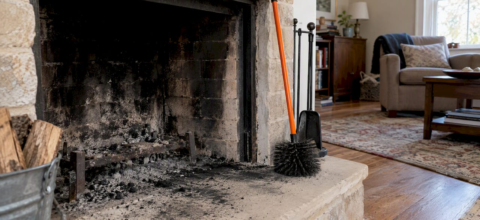
Creosote is a byproduct of burning wood. It coats chimney walls with a flammable residue that eventually needs mechanical sweeping. Gas fireplaces burn cleaner, and the EPA confirms that gas appliances don’t build up creosote the way wood-burning units do. That doesn’t mean the vent system is maintenance-free.
Gas venting still fails in predictable ways:
- Birds and squirrels build nests in vent terminations, especially after months of disuse.
- Condensing flue gases corrode metal liners from the inside, particularly in older or poorly matched systems.
- Chimney caps work loose or rust through, letting rain and debris into the flue.
- Liners disconnect at joints after settling or storm damage.
The vent type matters too. Direct vent units pull combustion air from outside and seal the flame off from the room, which limits some risks but still depends on clear, intact piping. B-vent and natural draft systems rely more heavily on a functioning chimney structure, so a damaged liner has a more direct path to indoor air.
How often should you have your gas fireplace inspected and cleaned?
The CPSC urges annual inspection of fuel-burning appliances, and NFPA 211 backs that up with a specific requirement: chimneys and vents get checked at least once a year, regardless of how often the fireplace runs. An idle chimney can still collect a nest or lose a cap over a single summer.
A basic annual check covers the essentials. A few situations call for more:
- Visible soot, rust flakes, or debris in the firebox or at the vent termination.
- A change in appliance, fuel type, or venting configuration.
- Before selling a home or moving into one with an existing gas fireplace.
- Storm damage, animal entry, or a chimney that hasn’t been looked at in several years.
Any of those point toward a more thorough Level 2 inspection rather than a routine look.
When hiring, ask whether the technician holds CSIA certification, and whether they regularly work on factory-built systems versus masonry chimneys. Gas venting behaves differently than a wood flue, and not every sweep is equally comfortable with both.
Pro Tip: Ask for the inspection level in writing before the visit, Level 1 or Level 2, so you know what’s actually being checked.
Warning signs that call for service right away
Some signs mean stop using the fireplace and call a professional before the next cold evening, not after. A CO alarm going off is the clearest one: leave the area, get fresh air, and treat it as an emergency rather than a nuisance alarm.
Other signals worth acting on:
- A persistent yellow-tipped flame instead of a steady blue one.
- Soot streaks on the glass front or nearby wall.
- A smell of exhaust or burning indoors when the unit is running.
- Headaches, dizziness, or nausea that ease when you leave the house.
- Visible rust, a dented or missing cap, or bird activity at the vent termination.
A persistent yellow flame tip is a practical signal of burner problems that increase pollutant emissions, and EPA guidance points to this as a reason to call a technician, not just a cosmetic quirk. If you suspect carbon monoxide exposure, ventilate, get everyone outside, and call emergency services before troubleshooting anything yourself.
What a professional inspection and cleaning actually covers
A Level 1 inspection is the standard annual visit. The technician checks accessible portions of the chimney, the connections between appliance and vent, confirms adequate draft, and does a basic cleaning if any deposits are present. For a fireplace that’s been running normally with no damage history, this is usually enough.
A Level 2 inspection goes further, and it’s triggered by specific conditions:
- A change in the appliance, fuel type, or vent configuration.
- A property sale or transfer, where the new owner needs a documented baseline.
- Known or suspected damage from weather, an animal, or a prior chimney fire.
- Visible deterioration that a basic visual check can’t fully explain.
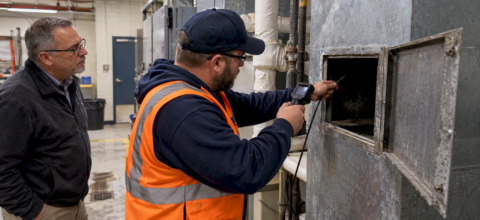
Level 2 work often includes a video scan, which finds cracked tiles, separated joints, or debris that a brush and flashlight would miss. From there, outcomes vary: a straightforward cleaning, a relined flue, a replaced cap, or flue repairs where corrosion has gone too far to patch. Our gas furnace flue inspection process follows this same logic, starting simple and escalating only where the findings call for it.
Carbon monoxide risk and how inspections cut it down
Carbon monoxide is the real hazard behind the “do I need this” question. A blocked or cracked vent can let exhaust gas evacuate improperly, and in a tightly sealed home, that gas has fewer ways to escape on its own. Backdrafting happens when exhaust fans, dryers, or even strong wind pull combustion gas back into the living space instead of up the flue.

Annual professional inspection of fuel-burning appliances is recommended by the CPSC specifically to prevent carbon monoxide poisoning and fire incidents, and that recommendation applies to gas fireplaces along with furnaces and water heaters.
A few habits lower the risk between inspections:
- Keep a working CO alarm on every level of the home, tested monthly.
- Don’t block supply or return vents near the appliance.
- Replace a damaged or missing chimney cap promptly rather than waiting for the next scheduled visit.
Our carbon monoxide risk guide covers how blocked vents interact with CO exposure in more detail.
Safe checks you can do yourself between visits
Homeowners can handle a short list of visual checks without any tools or risk. Look at the flame: it should burn blue with maybe a small yellow tip, not a tall, flickering yellow flame. Glance at the chimney cap and termination from the ground for obvious nests, rust, or damage. Test CO alarms monthly and swap batteries on schedule.

Keep nearby vents and grills clear of furniture, curtains, or stored items so airflow isn’t restricted.
What’s off-limits for a homeowner: adjusting gas controls, disconnecting vent connectors, or attempting to brush or scrape inside the flue. Mechanical cleaning and video inspection require training and equipment that go beyond a flashlight and a ladder.
Pro Tip: If you can’t see the full vent termination from the ground safely, that’s a sign to call a professional rather than get on the roof yourself.
What our technicians find in the field
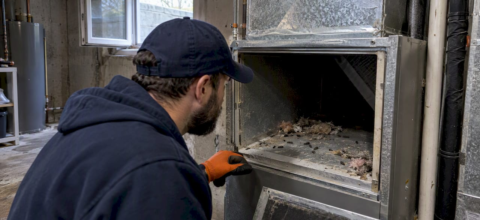
Our team has opened up many gas fireplace systems that looked fine from the living room. Corroded liners, disconnected sections, and nests built during a single unused season show up more often than homeowners expect.
Common findings and what we do about them:
- Corroded flue liners from condensing exhaust, addressed with relining where the damage is beyond a patch.
- Animal nests and debris at the termination, cleared and followed by a cap upgrade.
- Loose or disconnected vent sections, resealed and reinspected for draft.
We follow NFPA-backed inspection practices, use mechanical brushing rather than chemical shortcuts, and bring in video scanning when a Level 1 check requires further inspection.
Book a chimney inspection in NY, NJ, or Connecticut
If it’s been a year or more since your gas fireplace was checked, that’s reason enough to schedule a visit. We handle chimney cleaning and inspection, starting with a Level 1 inspection and moving to a video scan only when the findings call for it.

What a typical visit includes:
- A full draft and connection check, with mechanical cleaning if deposits are present.
- A video scan when corrosion, past damage, or an appliance change warrants a closer look.
- A clear written report with any recommended repairs, priced transparently before work begins.
Ready to get on the schedule? Visit our chimney cleaning page to book an appointment or check availability in your area.
Why routine inspections beat waiting for a problem
In our experience, the chimneys that surprise homeowners are usually the ones that sit unused for months at a time. A nest, a loosened cap, or a corroded seam can develop quietly, with no change in how the fireplace looks or smells until something goes wrong. An annual inspection, paired with a CO alarm that actually gets tested, catches most of that before it becomes a safety call. The standards from NFPA and EPA exist for exactly this reason: prevention is simpler than repair.
— Victor
This article is general information, not a substitute for advice from a qualified doctor. Consult a qualified healthcare professional about your own circumstances before acting on anything here.
FAQ
What maintenance is required for a gas fireplace?
A gas fireplace needs an annual professional inspection covering the vent, connections, and draft, plus basic cleaning if deposits or debris are found. Homeowners can supplement this with monthly CO alarm tests and visual checks of the flame color and visible vent parts.
What is the average cost to clean a gas fireplace?
Pricing depends on whether the visit is a basic Level 1 inspection or a more involved Level 2 with a video scan, and costs vary by region and what the technician finds. For an exact quote, our chimney cleaning page provides pricing details based on your property.
What is the most common problem with a gas fireplace?
Field visits most often turn up animal nests at the vent termination, corroded liners from condensing exhaust, or a disconnected vent section, rather than creosote buildup. Any of these can interfere with proper exhaust flow and is a reason for prompt repair.
Do gas fireplaces build up creosote?
No, creosote formation is tied to wood combustion, and gas fireplaces don’t produce it the same way. Their maintenance needs instead focus on vent blockages, corrosion, and structural integrity rather than sweeping out flammable deposits.
Sources
- CPSC urges annual fuel-burning appliance inspection to prevent deaths, fires
- Frequent questions about wood-burning appliances | US EPA
- Homeowner resources | CSIA
Recommended
- Top Reasons to Schedule Chimney Sweeps for Homeowners
- Inspect Chimney Caps Yearly: Safety Steps for Homeowners
- How often do I need chimney sweeping services?