Fix Moisture First: Plenum Cleaning for NY/NJ/CT Homeowners
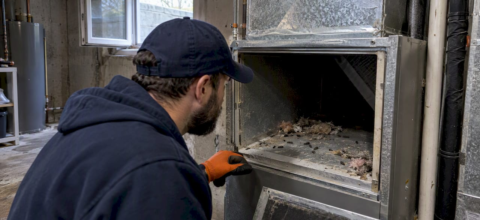
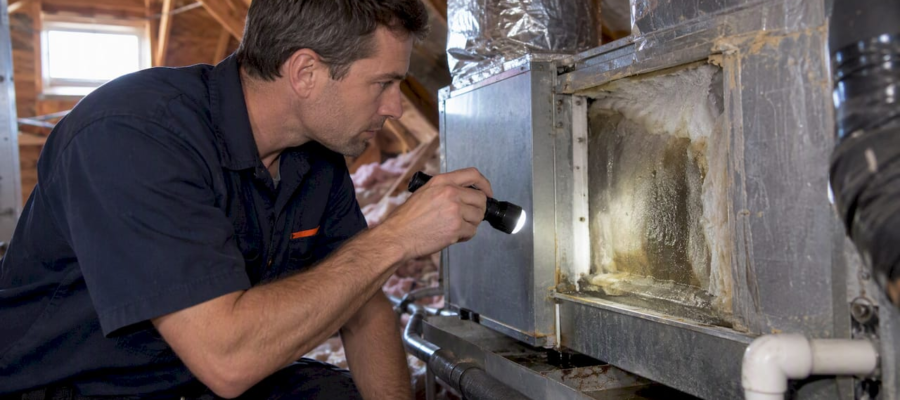
Plenum cleaning is warranted when you see substantial mold growth, active vermin, water stains, or debris blowing out of registers into living spaces, not as a routine maintenance task on a calendar. If you spot any of those signs, stop and document what you see, identify any moisture source nearby, and avoid pulling at wet insulation or spraying anything into the ductwork yourself. Call a qualified professional once you have that evidence in hand.
TL;DR:
- Wet or moldy fiberglass liner should be removed and replaced, not cleaned in place; dry or remove wet materials within 48 hours.
- Routine mold air sampling is generally unnecessary; visual inspection and persistent musty odors provide more useful guidance for most homes.
- Require a written scope naming the plenum, coils, blower, drain pans, and registers, plus before and after photos and replacement records.
- Keep homeowner maintenance to filter changes and HEPA vacuuming of accessible grilles; avoid opening sealed ductwork or disturbing wet insulation.
- After remediation, run the HVAC system for 48 to 72 hours as a flush out, then inspect filters before normal occupancy resumes.
Table of Contents
- Signs that a plenum needs cleaning and how to document it
- Why fixing moisture comes before any cleaning
- What a professional plenum cleaning and remediation looks like
- DIY safe limits and how to prepare before a pro arrives
- How to choose a qualified plenum and duct cleaning contractor
- Our team’s approach to plenum and duct work
- A perspective for property managers and careful homeowners
- Amazon Air Duct Cleaning: how we can help
- FAQ
- Sources
Signs that a plenum needs cleaning and how to document it
Before deciding anything, it helps to know what you’re actually looking at. A plenum can take several forms: a sheet metal box attached to the furnace or air handler, a joist space used as a return air pathway, or an attic or crawlspace chase that channels air between rooms. The inspection approach differs depending on which type you have, since a joist-space plenum hides more of its surface area than a metal box does. Our guide to plenum types common in New York, New Jersey, and Connecticut homes walks through the differences in more detail.
Not every dusty duct needs professional attention. The EPA’s mold course recommends considering cleaning only when there’s substantial visible mold growth, a vermin infestation, or debris being released into occupied rooms, not simply because the system is old or hasn’t been serviced in a while.
When you’re trying to figure out whether what you’re seeing qualifies, look for these signals:
- Visible mold growth on metal surfaces, insulation, or around seams and joints.
- Water stains or discoloration on ductwork, insulation, or nearby framing.
- A persistent musty smell that doesn’t clear with ventilation.
- Pest droppings, nesting material, or insect activity inside the plenum or at register openings.
- Dust or debris visibly blowing out of vents when the system runs.
If you find any of these, build a simple record before calling anyone. Take wide shots that show the location and context, then close-up photos of the contamination itself. Note the date, the specific area (which room, which register, which section of ductwork), and any odor you notice. Walk through the house and feel the airflow at each register. Weak or uneven airflow at specific vents often points to blockage or buildup near that branch, which is useful information to hand a contractor before they even arrive.
Why fixing moisture comes before any cleaning
Mold in a plenum is almost never the real problem. It’s a symptom of a moisture problem, and treating the symptom without fixing the source brings the mold right back.
The EPA’s residential duct guidance states that wet or moldy insulated duct material should generally be removed and replaced rather than cleaned in place. Fiberglass liner and similar porous materials hold moisture and organic matter in ways that resist effective cleaning, so once they’re saturated or colonized, replacement is the standard recommendation rather than disinfecting the surface and hoping it holds.
There are no EPA-registered biocides approved for use on porous duct liner material, according to the same EPA guidance, which means a contractor who offers to spray a sealant or sanitizer onto wet fiberglass insulation as a substitute for replacement is skipping a step the EPA specifically advises against.
NIOSH and CDC guidance on mold assessment takes a similar line on diagnosis: routine air sampling for mold isn’t recommended for most situations. Visual inspection and the presence of musty odors are more reliable and more practical indicators than lab testing in most residential and commercial cases. The same guidance recommends drying or removing wet materials within 48 hours of discovering them, since mold can begin establishing itself quickly once a porous surface stays damp.
In practice, this means the useful next steps are not about the duct surface at all. Walk the system and look for the source: a roof or plumbing leak near the plenum, a condensate pan that isn’t draining, or a coil that’s sweating and dripping onto insulation below it. Repair the leak, clear the drain line, and inspect the coil and blower compartment for signs of standing water or chronic condensation. A cosmetic cleaning that leaves a slow leak in place is money spent on a problem that will reappear within a season.

What a professional plenum cleaning and remediation looks like
A legitimate job follows a sequence, and knowing the steps helps you evaluate a quote or a finished job rather than just taking someone’s word for it.
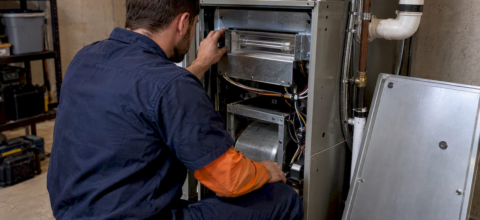
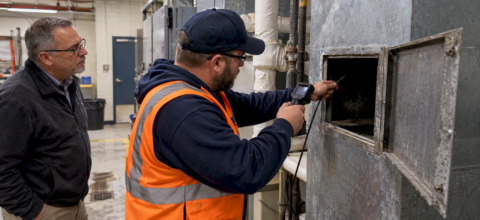
- Scope and inspection. The contractor documents existing conditions with photos, agrees on which components are included, and isolates the system so contaminants aren’t spread to other parts of the house during work.
- Access and agitation. Technicians open access panels and use mechanical agitation tools, brushes, or air whips, to loosen debris and buildup from duct and plenum surfaces rather than relying on suction alone.
- High-powered vacuum collection. A high-powered vacuum connected to the system collects loosened debris so it’s pulled out of the house instead of redistributed through the ductwork. Our breakdown of the equipment used in professional duct cleaning covers the tools involved in more depth.
- Component cleaning. Coils, the blower assembly, and drain pans get cleaned alongside the ducts and plenum, since contamination in one area typically means buildup in connected components too.
- Filter replacement and final inspection. New filters go in, and the technician does a final walk-through to confirm the work matches the agreed scope.
When mold or water damage is involved, the job looks different. Wet or moldy insulation gets removed and replaced rather than cleaned, and for larger contamination, the crew may set up containment and negative air pressure to keep spores from spreading to the rest of the building during the work. A clear explanation of how negative air pressure functions in mold remediation is worth a look if you want to understand why this step matters before signing off on a remediation quote. Whatever the scope, you should receive documentation at the end: before and after photos, a list of any components or materials that were replaced, and confirmation of what was treated versus what was left alone.
Pro Tip: Ask for before and after photos of the inside of the plenum itself, not just the register covers. A contractor with nothing to hide will have them ready.
DIY safe limits and how to prepare before a pro arrives
Some maintenance is genuinely fine to handle yourself. Changing filters on schedule, vacuuming accessible grilles and registers with a HEPA-equipped vacuum, and keeping furniture or rugs from blocking vents are all low-risk tasks that help airflow without opening anything sealed.
Other actions carry real risk of making things worse. The EPA’s guidance on duct cleaning is direct about this: homeowners can safely manage simple upkeep, but deep plenum work isn’t a good do-it-yourself project when it means opening sealed ductwork or disturbing insulation that may be wet or moldy. Specific things to avoid:
- Opening a sealed plenum or removing access panels you aren’t familiar with.
- Pulling at wet or moldy insulation, which can release spores into the air you’re breathing.
- Spraying bleach, biocides, or any disinfectant into ducts, since porous surfaces absorb these poorly and the fumes can circulate through the house.
- Using a standard shop vacuum without HEPA filtration, which can push fine particles back into the air instead of capturing them.
If you’ve confirmed you need professional help, a little prep makes the visit faster and more useful. Clear the area around the air handler and plenum access points, keep pets and anyone with respiratory sensitivity away from the work zone during the appointment, and write down your specific concerns, including the dates you noticed odors or staining, so you can hand that list directly to the technician. Our checklist for preparing for a duct cleaning appointment covers the practical steps in more detail.
How to choose a qualified plenum and duct cleaning contractor
Not every company that advertises duct cleaning is equipped to handle a plenum with mold or water damage, so a short set of questions before booking saves you from a partial job.
- Ask for a written scope that names every component. It should cover the plenum, coils, blower, drain pans, and registers by name, not just “ducts.” The EPA notes that failing to clean all contaminated components can lead to rapid recontamination, since dust and spores migrate between connected parts of the system.
- Confirm awareness of NADCA cleaning standards, adequate liability insurance, and a willingness to walk you through why moisture correction matters, not just how the cleaning itself will go.
- Request references and proof of past work, including sample before and after documentation from a similar job.
- Watch for red flags: a quote that promises to “kill” mold without ever mentioning the moisture source, pressure to apply a sealant or biocide before a full inspection has happened, or reluctance to provide photos of the completed work. Any of these suggest a company addressing symptoms rather than causes.
Our complete duct cleaning checklist is built around this same logic and can serve as a starting point for comparing quotes side by side.
Our team’s approach to plenum and duct work
Our crew brings extensive experience to air duct, coil, blower, and dryer vent work across homes and businesses in New York, New Jersey, and Connecticut. We treat a plenum as one part of a connected system, so a cleaning scope on our end typically includes coils and blower components when contamination has spread that far, not a single access panel and nothing else.
We provide before and after photos, a plain list of what was cleaned or replaced, and clear pricing explained before work begins. If moisture correction is needed, we flag it directly rather than quoting a cleaning that leaves the underlying cause untouched. You are welcome to ask for certifications and insurance documentation before booking, and to request specific photos and component lists as part of your invoice.

A perspective for property managers and careful homeowners
If you manage a building, the safest approach is to schedule remediation work for times when occupants have the least exposure, require a full-system scope in writing, and insist on verification once the work is done, including running the HVAC system for a flush-out period before anyone returns to the space full time.
For homeowners, the calculation is simpler: if you’re looking at visible mold or wet insulation, this isn’t a weekend project. Hire someone qualified, get the documentation, and let the professionals handle the parts that involve breathing spores or guessing at containment.
— Victor
Amazon Air Duct Cleaning: how we can help
If you’ve documented mold, moisture, or heavy debris in your plenum and you’re in New York, New Jersey, or Connecticut, we handle the full scope rather than a quick vacuum-and-go. Our air duct cleaning service covers the plenum alongside connected components, and we pair it with evaporator coil and blower cleaning when contamination has reached that far into the system.

When you request an estimate, here’s what to ask us for:
- A written scope that names the plenum, coils, blower, and drain pans specifically.
- Before and after photos as part of the final invoice.
- A moisture-correction checklist if we identify a leak or condensation issue during inspection.
- Clear notes on anything replaced, including insulation, so you have a record for your own files.
If your contamination is tied to lingering odor rather than active moisture, our antimicrobial and deodorizing duct system cleaning is available as a follow-up step once the source has been addressed, never as a stand-in for it. Reach out through our air duct cleaning page to request a quote, and we’ll walk you through scheduling from there.
FAQ
My HVAC plenum has mold growth. What should I do?
Photograph the growth, note the date and location, and avoid disturbing it until a professional can assess the moisture source behind it. The EPA recommends removing and replacing wet or moldy insulated duct material rather than cleaning it in place, so plan for replacement as part of the fix.
What do duct doctors use to clean ductwork?
Professional crews use mechanical agitation tools, such as brushes or air whips, paired with a high-powered vacuum that collects loosened debris and pulls it out of the house. Our equipment overview describes the specific tools involved in a typical job.
How do I clean a plenum chamber myself?
Most plenum cleaning isn’t a safe do-it-yourself task once it involves opening sealed ductwork or touching insulation that may be wet or moldy. The EPA advises against DIY cleaning in these situations and limits safe homeowner tasks to filter changes and vacuuming accessible grilles.
Can I clean my HVAC ducts myself?
You can safely handle filter changes and light vacuuming of registers with a HEPA-equipped vacuum, but deep duct and plenum cleaning generally requires professional equipment and training. Opening sealed sections or disturbing wet insulation yourself risks spreading contaminants rather than removing them.
How long should I run my HVAC system after mold remediation?
The CDC recommends operating the system for 48 to 72 hours as a flush-out period after remediation or an extended shutdown, then inspecting filters before normal occupancy resumes.
Sources
Recommended
- Air Conditioning Plenums: What NY/NJ/CT Owners Must Know
- Stop Dryer Vent Moisture Before Mold or Fire, NY/NJ/CT Homeowners
- HVAC mold removal: Restore air quality in NY, NJ, CT
- How to Manage Duct Condensation: A Homeowner’s Guide