Chimney Flue Blockage: 4 Steps Before Relighting in NY, NJ & CT
If you suspect a chimney flue blockage, stop using the fireplace or connected appliance. If anyone feels dizzy or sick, leave the home and seek immediate emergency help. The Chimney Safety Institute of America (CSIA) and NFPA both put safety first because a blocked flue raises chimney fire and carbon monoxide risks. Then arrange a professional inspection.
TL;DR:
- Smoke backing up, persistent odor, falling debris, or a struggling fire warrants stopping use and booking an inspection, even if the chimney is rarely used.
- If anyone has a headache, dizziness, or nausea, or the carbon monoxide alarm sounds, get everyone outside and call 911; never investigate fumes yourself.
- CSIA recommends sweeping at 1/8 inch of soot or any creosote glaze, which can fuel chimney fires; wet wood and restricted air promote buildup.
- Schedule annual inspections, including for rarely used chimneys, and install a sound cap; if fans trigger smoke, test with a nearby window cracked to identify draft problems.
Table of Contents
- How can you tell your flue may be blocked?
- What should you do right now if you suspect a blockage?
- What usually causes a chimney flue blockage?
- When is a blocked flue an emergency?
- What happens during a professional chimney inspection?
- How do you keep the flue clear year-round?
- Why we say: when in doubt, don’t light it
- How do you book a chimney inspection with us?
- FAQ
- Sources
How can you tell your flue may be blocked?
You do not need to climb onto the roof to notice trouble. Most blockages announce themselves inside the house.
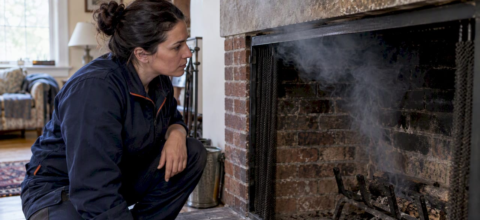
- Smoke rolls back into the room instead of rising up the chimney.
- A strong, stale smoky smell lingers, even when the fireplace is cold.
- Heavy soot piles up in the firebox, or bits of debris and nest material drop into it.
- White, chalky staining shows on the inside of the flue or at the damper.
- Cold air pours down the chimney, or the fire struggles to draw and burns lazily.
- A furnace or water heater connected to the same flue runs poorly.
Any one of these is reason enough to stop burning and book an inspection. Unused chimneys are not exempt: CSIA guidance warns that rarely used flues often harbor animal nests and debris that quietly threaten connected appliances. If smoke is already backing into your rooms, our guide to chimney smoke backdrafts covers the quick checks worth knowing.
What should you do right now if you suspect a blockage?
Work through these steps in order.
- Put out any active fire and stop using the fireplace or any appliance that vents through that chimney.
- If you smell fumes or anyone has a headache, dizziness, or nausea, open windows, get everyone outside, and call 911. Do not try to find the source yourself.
- If it is safe, ventilate the room and shut off gas appliances according to their instructions. Skip the exhaust fans, since they can change the draft and pull more smoke inside.
- Call a certified chimney professional before relighting anything.
Resist the urge to poke a broom handle or vacuum hose up the flue. Reaching in can knock nest material deeper, send soot into the room, or crack a liner. For carbon monoxide, Consumer Reports recommends detectors in homes with potential sources. If an alarm sounds, leave the home and seek immediate emergency help. Our carbon monoxide safety guide explains the symptoms in more detail.
What usually causes a chimney flue blockage?
Most blockages trace back to a handful of causes:
- Bird nests, squirrel stashes, leaves, and wind-blown debris entering an uncapped flue.
- Creosote buildup and hard, glazed deposits from burning wet wood or starving the fire of air.
- A missing or damaged cap that lets rain in, which can deteriorate masonry and liners until rubble falls into the flue.
- Weak draft in tight modern homes, where competing exhaust fans can disrupt airflow and mimic a blockage.
On creosote, CSIA’s homeowner guidance says to sweep whenever there is 1/8 inch or more of sooty buildup or any creosote glaze, because that is enough to fuel a chimney fire.
Pro Tip: If your fireplace smokes only when the kitchen or bathroom fans are running, crack a window nearby and test again. That points to a draft problem rather than a clogged flue.

When is a blocked flue an emergency?
A blocked flue is dangerous because it combines two hazards: fire and carbon monoxide. CSIA reports that three out of every ten house fires related to home heating are attributed to poorly maintained fireplaces and dirty chimneys. Carbon monoxide has no color or odor, so you cannot rely on your senses. The CPSC fact sheet warns that blocked chimneys can cause exposure and recommends annual inspection of heating equipment and chimneys.
Treat these as emergencies and call 911 immediately:
- Sparks, embers, or visible flames in the flue, or a roaring sound from the chimney.
- Anyone in the home with headache, dizziness, or nausea, or a carbon monoxide alarm going off.
Anything milder still means stop using the fireplace, but you can schedule a visit rather than call for emergency help.
What happens during a professional chimney inspection?
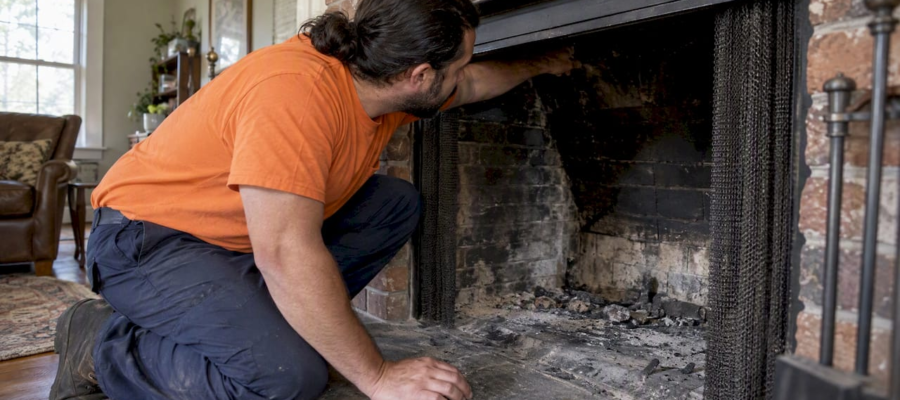
A Level 1 inspection, as described in CSIA’s masonry fireplace guidance, aims to confirm the system is not blocked or significantly restricted and to judge how clean it is. A technician will typically:
- Check the firebox, damper, and accessible flue surfaces for buildup, debris, and damage.
- Sweep the chimney if deposits measure 1/8 inch or more, working from the top or the bottom depending on access.
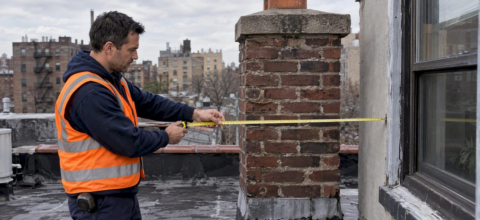
- Examine the cap and top damper for rust, corrosion, and moving parts that stick.
- Record findings and recommend repairs.
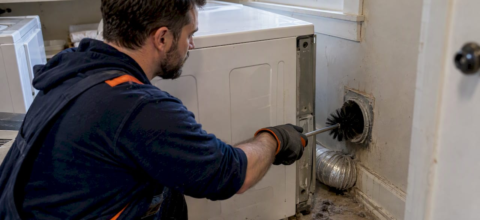
Flues with offsets may need more than a visual inspection. A technician may use a brush or internal camera to check for hidden obstructions or liner breaks. If something serious turns up, ask the professional what further inspection or repairs are needed before using the chimney again. Our chimney cleaning page describes what a professional sweep includes.
How do you keep the flue clear year-round?
Prevention is mostly routine. Use this checklist:
- Install a chimney cap and top damper, and check them for rust each season.
- Schedule an annual inspection and cleaning. CSIA recommends it even for chimneys you rarely use, and our post on when to clean your flue helps you time it.
- Burn seasoned wood and avoid overloading the firebox. The EPA notes that restricted air and unseasoned wood promote creosote.
- About 20 minutes into a fire, step outside and look for smoke at the chimney top, as the EPA’s Burn Wise guidance suggests.
Pro Tip: Note bird activity around the chimney top in spring. Frequent landings or twig fragments in the firebox are an early warning of a nest.
Why we say: when in doubt, don’t light it
A professional inspection can identify blockages caused by nests or debris. My advice is simple: if something seems off, skip the fire and schedule a certified sweep. We serve homeowners across New York, New Jersey, and Connecticut, and we can handle both the inspection and the sweep.
— Victor
How do you book a chimney inspection with us?
We offer chimney cleaning and inspection for homeowners in New York, New Jersey, and Connecticut. A visit covers an inspection of the flue, a sweep to clear creosote and debris, a review of the cap and damper, and a clear explanation of what we found, including any repairs we recommend. That directly addresses the nests, buildup, and hidden damage described above, so you know whether your fireplace is safe to use again. Ready to get it checked? Request an appointment on our chimney cleaning and sweep page. Current prices are on our website.

This article is general information, not a substitute for advice from a qualified doctor. Consult a qualified healthcare professional about your own circumstances before acting on anything here.
FAQ
How do I know if my chimney is blocked?
Smoke drifting into the room, a persistent smoky odor, heavy soot, or debris falling into the firebox are the most common signs. A fire that struggles to draw is another clue. Stop using the fireplace and have it inspected.
How do I keep cold air from coming down my chimney?
Make sure the damper closes fully and the chimney has a cap in good condition. A downdraft can also come from a blockage or from competing exhaust fans, so a professional check is the safest way to find the cause.
Does burning aluminum cans remove creosote?
No. Burning cans is not a safe or reliable way to clean a flue, and it can leave residue behind. The EPA points to annual inspections and sweeps by a professional instead.
How should a chimney be cleaned from the inside?
Professional sweeps use brushes and rods, working from the top or bottom of the flue, along with vacuums to contain soot. We advise against DIY cleaning from inside the flue because it can dislodge debris or damage liners. See our guidance on when to stop DIY.
Sources
- Homeowner Resources | Ensure Safety Now – Get Expert Tips — The Chimney Safety Institute of America
- Carbon Monoxide safety | NFPA
- Level 1 Inspection of a masonry fireplace
- How to Spot and Stop Carbon Monoxide Poisoning – Consumer Reports
Recommended
- Stop Chimney Smoke Backdrafts in NY, NJ, CT: 6 Quick Fixes
- Chimney Draft Problems in NY, NJ & CT: CO Safety Before DIY
- Prevent Chimney Fires: Fireplace Damper Cleaning for NY/NJ/CT Homes
- Professional Chimney Sweep & Repair in NY & NJ | Book Today!