Contact Us


    (800) 482-8224

    Choosing Between Gas and Wood Burning Fireplaces

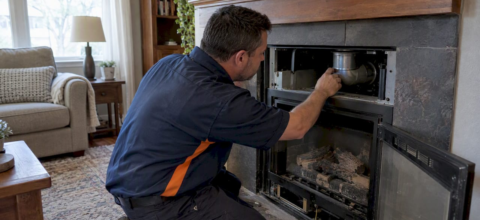
    A fireplace adds character and value to your home. When homebuyers imagine their dream home, the dream typically includes a comfy home that keeps you and your family warm in the winter, either with a smoothly running heater or getting comfy around a cozy fire.

    It’s hard to resist the temptation of of a warm fire, but how do you pick between a gas or wood burning fireplace? There are many points to consider when deciding how to keep your home nice and toasty.

    Aesthetics and Efficiency

    Wood: A wood burning fireplace typically wins in the sensation category. You get the crackle. You get the pop. You get the ability to roast marshmallows indoors. Something you don’t get is an effective heating source. Wood fires normally receive up to a 15% efficiency rating, much lower than a furnace that has consistent service performed. They do generate a lot of heat, but most of that heat disappears up the chimney. Wood burning fireplaces not only lose the heat coming from the fire, but it also pulls warm air from other parts of the house up and out the chimney.

    Gas: There have been many artistic advances in gas fireplaces. The flames have become more realistic and some versions offer various heights. The logs used in gas fireplaces now more closely favor the real thing and come complete with glowing embers, which don’t demand you to wait while they go out. You can simply switch your gas fireplace on and off, providing you more control over room temperature and frees you from having to look after your fire. The lack of fire stealing oxygen gives gas fireplaces a 75% to 99% efficiency rating. Picture the level of comfort you could achieve when you combine that with a fully serviced furnace.

    Air Quality and Maintenance

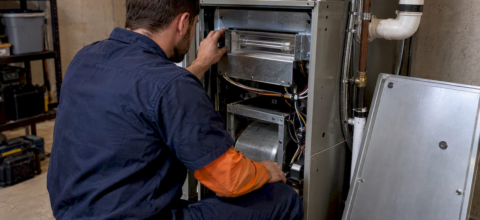
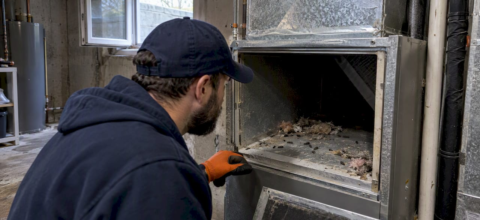
    Wood: Air quality is vital to homeowners and homebuyers. Burning wood creates air pollution in and outside the home and the smoky wood aroma that a wood burning fireplace emits could be hazardous to your family’s. Wood also creates a byproduct called creosote that lines the coating of the chimney and must be removed by a professional chimney sweep. Much like furnaces that should have furnace service completed regularly, gas fireplaces also require regular cleanings of soot and spent logs.

    Gas: Gas fireplaces only require some dusting every now and then and are practically maintenance free. It is advised that you get your gas fireplace cleaned and adjusted every 12 months by a professional to keep it functioning both safely and effectively.

    Call 800-482-8224 to schedule an appointment with an Amazon Air Duct Cleaning Professional today!

    author avatar
    amazonairpro
    3 September, 2021
    2025 Refrigerant Phase-Out 20 November, 2025
    The 2025 Refrigerant Phase-Out: What the EPA’s New Rules Mean for Your Old AC Unit

    You may have heard that the government is banning the refrigerant in your air conditioner. Before you worry about what happens to my R-410A air conditioner in 2025, let’s clear something up. The EPA HVAC rules for 2025 apply to new equipment made after January 1, 2025. Your existing unit is fine. You can keep using it, and nobody is forcing you to replace

    #image_title
    New Jersey’s Top 5 Fall Allergens and How to Keep Them Out of Your Home’s Air

    Fall in New Jersey brings beautiful foliage and cooler weather, but it also means sneezing, itchy eyes, and congestion for many of us. Fall allergies can be tricky because we deal with everything from coastal ragweed to mold from damp leaves. If you know what’s triggering your symptoms, you can do something about it. You can’t control what’s happening outside, but you can make

    Paramus Split-Level Temperature
    Solving the Split-Level Problem: How Paramus Homeowners Can Finally Balance Their Home’s Temperature

    Is your upstairs bedroom unbearably hot while your downstairs family room feels like an icebox? If you live in a split-level home in Paramus, this probably sounds familiar. These temperature swings aren’t just uncomfortable, they’re built into how split-level homes work. But you don’t have to live with it. HVAC zoning technology fixes the temperature imbalance that’s frustrated homeowners for decades. Why Split-Levels Have

    Trenton historic home HVAC
    The Trenton Historic Homeowner’s Guide to Modern HVAC

    If you own a historic home in Trenton, you already know what makes these houses incredible. High ceilings, original woodwork, hand-finished plaster walls. These details don’t exist in modern construction. But when July hits or January rolls around, keeping comfortable gets tricky. You can add climate control without tearing apart what makes your house special. Most people think they have to choose between keeping

    Smart Thermostats
    Do Smart Thermostats Save Money? What to Know in 2025

    That old beige thermostat on your wall? It wasn’t much to look at, and it didn’t do much thinking either. Today’s smart thermostats promise energy savings, remote control, and learning algorithms that adapt to your life. But are they worth it for your home, or is this just another tech gadget solving a problem that doesn’t exist? For homeowners in New Jersey, New York,

    2025 Refrigerant Phase-Out
    The 2025 Refrigerant Phase-Out: What the EPA’s New Rules Mean for Your Old AC Unit

    You may have heard that the government is banning the refrigerant in your air conditioner. Before you worry about what happens to my R-410A air conditioner in 2025, let’s clear something up. The EPA HVAC rules for 2025 apply to new equipment made after January 1, 2025. Your existing unit is fine. You can keep using it, and nobody is forcing you to replace

    #image_title
    New Jersey’s Top 5 Fall Allergens and How to Keep Them Out of Your Home’s Air

    Fall in New Jersey brings beautiful foliage and cooler weather, but it also means sneezing, itchy eyes, and congestion for many of us. Fall allergies can be tricky because we deal with everything from coastal ragweed to mold from damp leaves. If you know what’s triggering your symptoms, you can do something about it. You can’t control what’s happening outside, but you can make

    Paramus Split-Level Temperature
    Solving the Split-Level Problem: How Paramus Homeowners Can Finally Balance Their Home’s Temperature

    Is your upstairs bedroom unbearably hot while your downstairs family room feels like an icebox? If you live in a split-level home in Paramus, this probably sounds familiar. These temperature swings aren’t just uncomfortable, they’re built into how split-level homes work. But you don’t have to live with it. HVAC zoning technology fixes the temperature imbalance that’s frustrated homeowners for decades. Why Split-Levels Have

    Trenton historic home HVAC
    The Trenton Historic Homeowner’s Guide to Modern HVAC

    If you own a historic home in Trenton, you already know what makes these houses incredible. High ceilings, original woodwork, hand-finished plaster walls. These details don’t exist in modern construction. But when July hits or January rolls around, keeping comfortable gets tricky. You can add climate control without tearing apart what makes your house special. Most people think they have to choose between keeping