Commercial HVAC Coil Cleaning: 30% Energy Penalty for NY/NJ/CT
Professional commercial HVAC coil cleaning restores heat transfer, cuts energy waste, and prevents the compressor failures that come from systems working harder than they should. Dirty evaporator and condenser tubes can significantly raise compressor energy consumption, according to DOE/EERE chiller operations guidance, which makes a scheduled inspection one of the fastest payback decisions a facility manager can make this year.
TL;DR:
- Schedule condenser cleaning annually and evaporator cleaning every two years, but shorten intervals at data centers, commercial kitchens, and sites near construction or heavy traffic.
- Dirty tubes can raise compressor energy use by up to 30%; falling Delta T, rising static pressure, longer run times, or reduced cooling capacity can signal fouling.
- Microchannel coils need manufacturer approved cleaners and low pressure; avoid acids, chlorine products, and aggressive washing, which can damage their thin tubing.
- Require a scope with coil identification, readings taken before and after service, photos, chemical names, safety data sheets, wash water disposal, and a follow up interval.
- For occupied indoor work, require residue free agents and contamination controls; cooling towers need a documented water management program and monitored disinfectant residuals.
Table of Contents
- What Commercial Coil Cleaning Includes
- Benefits and ROI: Energy, Uptime, and Indoor Air Quality
- Signs You Need Coil Cleaning Now
- How Professionals Clean Commercial Coils
- Recommended Frequency and Monitoring
- Safety and Indoor Air Quality Protocols
- What We Watch For on Every Commercial Job
- Amazon Air Duct Cleaning: Commercial Coil Cleaning and How to Request a Quote
- FAQ
- Sources
What Commercial Coil Cleaning Includes
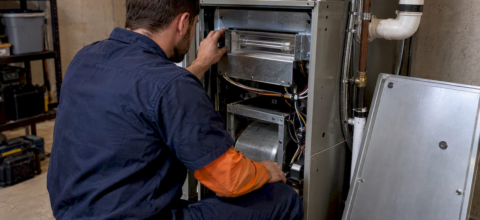
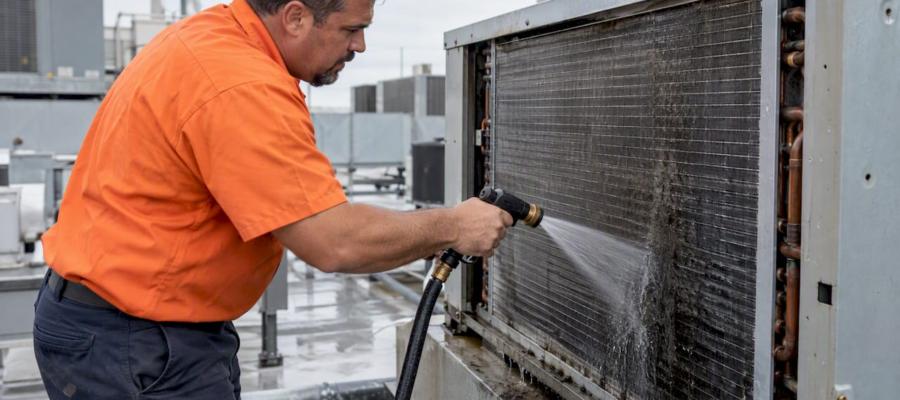
Condenser coils sit outdoors and collect leaves, pollen, and construction dust, so cleaning usually means a straightforward wash-down once the unit is accessed and powered down safely. Evaporator and air-handler coils live inside the building, often behind panels that require partial disassembly, and the work demands gentler, occupant-safe methods since residue and overspray can affect indoor air.
A properly scoped job should include:
- Equipment access and lockout/tagout before any chemical or water contacts the coil
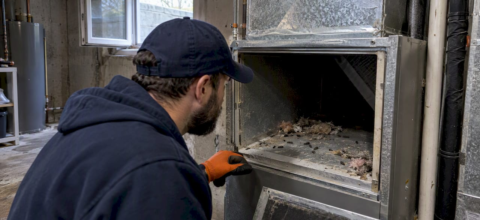
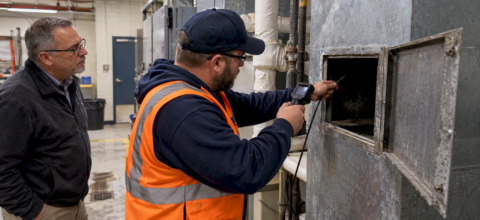
- Visual inspection documenting fin condition, corrosion, and biological growth
- A cleaning method matched to coil type, followed by a thorough rinse
- Fin straightening where airflow has been restricted by bent or crushed fins
- A drain pan check and clear-out to prevent standing water and microbial growth
- Before and after photos plus a signed service report
Insist on documentation. A contractor who cannot produce photos and a written summary of what was found and corrected is not giving you anything you can verify or use for future coil cleaning frequency decisions.
Benefits and ROI: Energy, Uptime, and Indoor Air Quality
Fouled coils force a system to work against itself. Dirt and biofilm act as insulation on the coil surface, so heat transfer slows, compressors run longer to hit the same setpoint, and energy draw climbs. The DOE/EERE summary lists coil cleaning among the operations and maintenance interventions that pay back quickly against the energy wasted by fouled surfaces.
Dirty evaporator and condenser tubes can increase compressor energy consumption by as much as 30%, and cleaning coils often recovers its cost within months when weighed against that ongoing waste, per DOE/EERE’s chiller operations findings. Say a 10-ton rooftop unit runs with coils fouled enough to push compressor draw up by a fifth: the wasted electricity over a cooling season routinely exceeds what a single professional cleaning visit costs, which is why many facility teams treat it as a standing line item rather than a reactive repair.
Beyond the utility bill, clean coils mean lower head pressure, fewer emergency compressor calls, and steadier occupant comfort. Clean evaporator surfaces also shed less particulate and biological material into the airstream. This matters directly for indoor air quality in offices, schools, and healthcare spaces.

Signs You Need Coil Cleaning Now
Most coil problems show up as performance complaints before anyone looks at the equipment. Watch for these signals:
- Reduced cooling capacity or spaces that no longer hit setpoint on schedule
- Longer run times and a noticeable jump in utility costs month over month
- Visible fouling on accessible coil surfaces, musty odors, or dust buildup around supply vents
- A falling Delta T across the coil, which signals weaker heat exchange even before capacity loss is obvious
- Rising static pressure readings, often paired with fin loading that exceeds ASHRAE’s preventive maintenance thresholds
A facilities tech can run three quick checks before calling anyone: pull the Delta T across the evaporator, check static pressure against the unit’s baseline, and visually inspect accessible fins for dust loading. Our guide to dirty evaporator coil symptoms walks through what each finding means in practice.
How Professionals Clean Commercial Coils
A competent workflow starts with isolating and powering down the equipment, then gaining full access to the coil face, not just a partial view through a service panel. From there, the technician matches cleaning chemistry to coil type, applies it at low to medium pressure, combs bent fins back into alignment, and finishes with a rinse and a verification check before documenting results.
The tools of the trade matter as much as the steps:
- Low-pressure, high-flow nozzles that clean without bending fins
- Soft brushes and fin combs for manual debris removal and fin realignment
- Pump sprayers for controlled chemical application
- Wet/dry vacuums for drain pan and condensate line debris
- Truck-mounted rinse systems for larger condenser jobs
Chemical discipline is where many jobs go wrong; hiring experts who follow safe chemical plant decommissioning steps can ensure proper handling and application. Modern coils, particularly microchannel aluminum designs with thinner tubing, are more sensitive to aggressive treatment. Over-concentrated cleaners, chlorine-based products, and high-pressure washing can damage these surfaces in ways that are not visible until the coil fails early, according to reporting on modern coil cleaning practices. Evaporator coils, which typically need gentler or no-rinse formulations, and condensers, which need full wet cleaning and rinsing, call for different products entirely, a distinction trade guidance on coil cleaning basics also draws clearly.
Pro Tip: Ask any contractor to identify your coil type in writing before they apply a single chemical. Microchannel coils require manufacturer-approved cleaners and low-pressure methods, never acids or chlorine.
A statement of work worth signing should require coil type identification, pre- and post-service Delta T or static pressure readings, dated photographs, the chemical names and safety data sheets used, a containment and wash-water disposal method, and a recommended follow-up interval.
Recommended Frequency and Monitoring
A reasonable starting rule: clean condenser coils annually and evaporator coils every two years. Facilities with heavier loads, such as data centers, commercial kitchens, or sites near construction or heavy traffic, need shorter intervals because fouling accumulates faster.
Calendar schedules are a floor, not a ceiling. The stronger approach pairs a fixed schedule with condition-based triggers:
- A measurable drop in Delta T across the coil compared to its baseline reading
- Static or coil pressure rising above the unit’s established baseline
- Visible fin loading that crosses ASHRAE’s documented thresholds for cleaning
Fold both the calendar date and the measured readings into your preventive maintenance plan or service agreement so cleaning gets triggered by actual coil condition, not just a date on a spreadsheet. Our breakdown of coil cleaning frequency covers how to set these baselines for your own equipment.
Safety and Indoor Air Quality Protocols
Indoor evaporator work carries real IAQ stakes. Cleaning agents need to be non-residue forming and safe for occupied spaces, applied by technicians trained to avoid cross-contaminating ductwork or living areas.
Cooling towers raise a separate and more serious concern. Legionella risk in open-loop water systems requires a documented water management program, with specific disinfection steps and monitored disinfectant residuals, according to the CDC’s cooling tower control toolkit. A contractor servicing a tower should be following that framework, not improvising.
Before signing off on any job, require:
- Documented PPE use appropriate to the chemicals involved
- A wash-water capture and disposal method that meets local discharge rules
- Before-and-after inspection records tied to the specific unit serviced
What We Watch For on Every Commercial Job
Our technicians treat Delta T and pressure readings as the real scorecard, not a visual pass or fail. Every commercial coil job gets documented with before and after photos and measurement logs, because a number you can compare next year is worth more than a clean-looking coil today. When vetting any contractor, ask for those photos, the measurement logs, and a stated follow-up interval before you sign anything.
— Victor
Amazon Air Duct Cleaning: Commercial Coil Cleaning and How to Request a Quote
If your facility is overdue for coil service, we handle both sides of the job: condenser coil cleaning for outdoor units and evaporator coil and blower cleaning for the indoor side, along with antimicrobial and deodorizing duct system cleaning for sites that need disinfection alongside the cleaning itself.

Every job includes a documented inspection, before and after photos, and measured Delta T and pressure readings so you have a record to compare against next year’s service.
What we provide on each visit:
- Full coil inspection with photo documentation
- Cleaning methods matched to your coil type, condenser or evaporator
- Delta T and pressure readings recorded before and after service
- A signed service summary for your maintenance records
Request a quote through our commercial air duct cleaning page and we will schedule an inspection around your building’s occupancy and operating hours.
FAQ
What should technicians clean HVAC coils with?
Cleaning agents should match the coil material and location: evaporator coils typically need gentler, non-residue, no-rinse formulations safe for occupied indoor spaces, while condenser coils can handle a wet cleaning process followed by a full rinse, according to trade guidance on coil cleaning basics. Modern microchannel coils need manufacturer-approved, low-pH cleaners applied at low pressure, since acids and chlorine-based products can damage thinner tubing.
What is the $5,000 rule for HVAC?
This is a common homeowner rule of thumb for deciding between repair and replacement: multiply the repair cost by the age of the unit, and if the result exceeds a certain threshold, replacement is usually the better value. It is a residential guideline rather than a commercial coil cleaning standard, so facility managers should base coil decisions on inspection findings and Delta T readings instead.
How do you access an evaporator coil in a furnace?
Accessing an evaporator coil typically means removing an access panel near the furnace’s blower compartment, often requiring partial disassembly of ductwork connections. Because this involves working near refrigerant lines and electrical components, a trained technician should handle access and cleaning rather than facility staff attempting it without proper tools.
What are the symptoms of a dirty evaporator coil?
Common signs include reduced cooling capacity, longer system run times, higher energy bills, musty odors, and visible dust or buildup on coil surfaces. A measurable drop in Delta T across the coil is often the earliest indicator, showing up before occupants notice any comfort change, as outlined in our dirty evaporator coil symptoms guide.
How often should commercial coils be cleaned?
A general rule is annual cleaning for condenser coils and every two years for evaporator coils, though high-load environments like data centers or commercial kitchens need more frequent service. The stronger approach pairs that calendar schedule with condition-based triggers like falling Delta T or rising static pressure, which ASHRAE’s preventive maintenance guidance supports.
Sources
- Modern coils, new risks: rethinking HVAC cleaning practices | ACHR News
- DOE/EERE chiller operations and O&M solutions
- ASHRAE IAQ preventive maintenance checklist
- CDC cooling tower control toolkit
Recommended
- Facility HVAC: Recover up to 18% Heat Transfer with Coil Disinfection
- NY/NJ/CT Homeowners: Clean Coils When Delta T Falls or Pressure Rises
- Inspect First: Dirty Evaporator Coil Signs for NY/NJ/CT Homeowners
- Budget $75 to $350 for Condenser Coil Cleaning in NY/NJ/CT